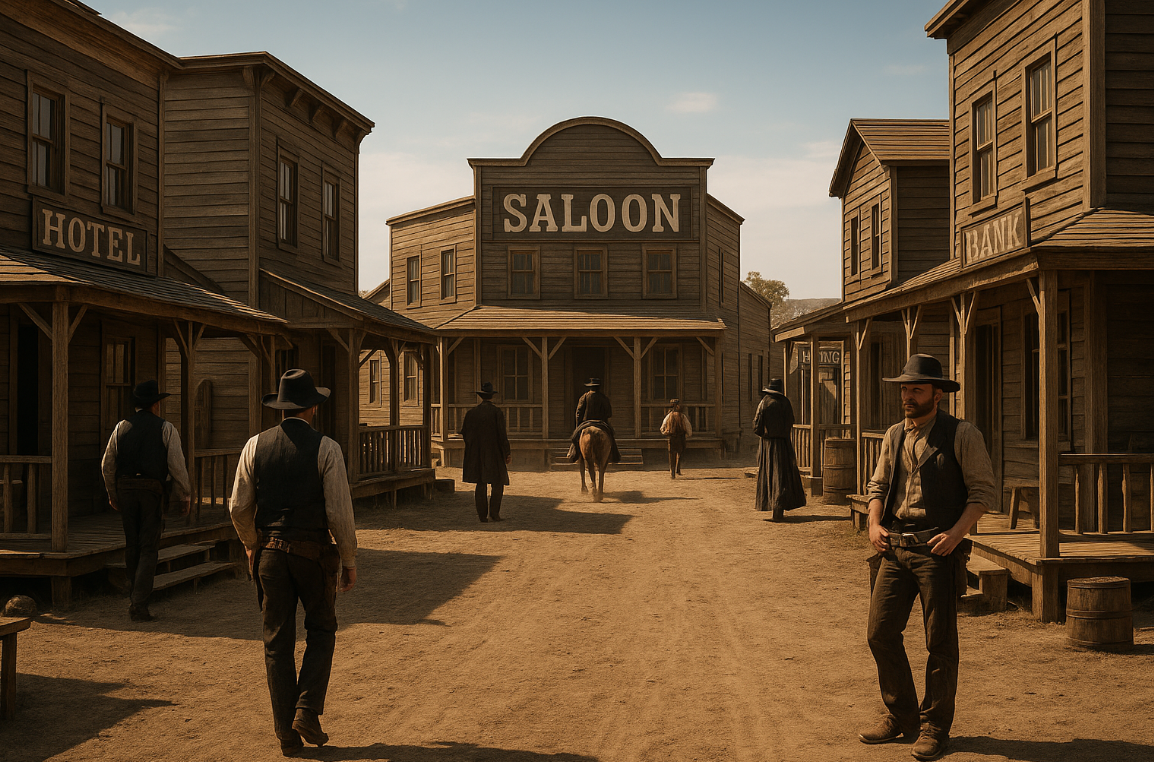
Whisky played a surprisingly influential role in shaping life on the American frontier. For settlers, traders, and pioneers, whisky was more than just a drink. Its presence was woven into the fabric of daily life and became a part of traditions, trade, and even politics. In this article, I check out how whisky influenced the American frontier and how its production and social use evolved during those times.
Whisky’s Impact on Daily Life in the Frontier
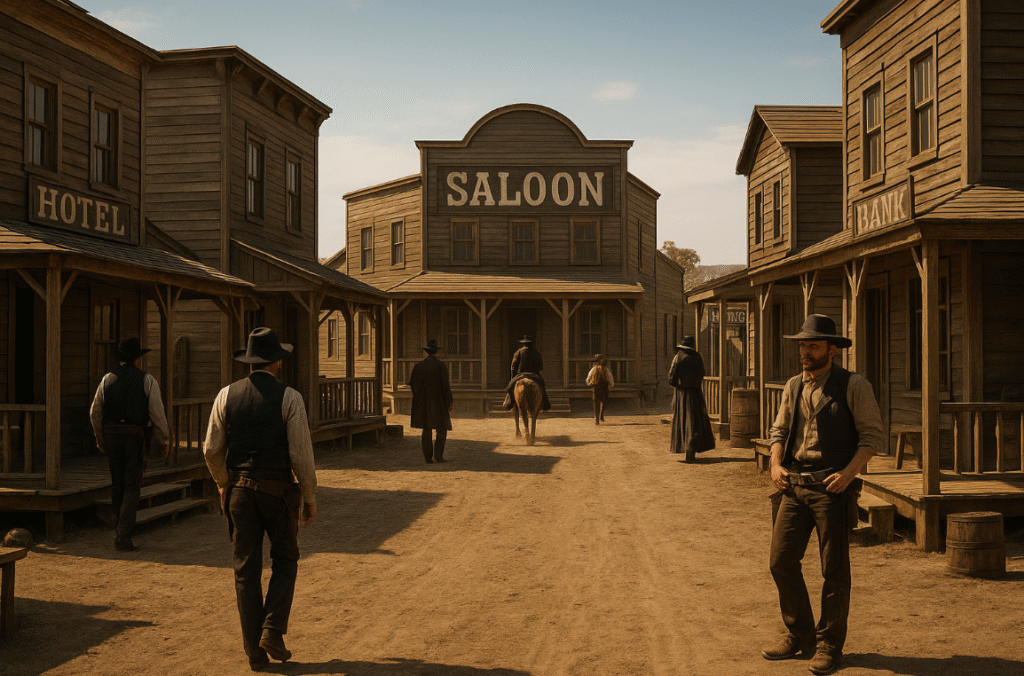
The American frontier was a land of constant change and challenges. Amidst the hardships, whisky stood out as a significant comfort and a tool for negotiation. Settlers often used whisky to celebrate important milestones or to ease tensions during long and unpredictable journeys. Its role was not confined to merriment; whisky also had a place in economic exchanges and bartering, serving as a very important commodity in trade with Native Americans and among settlers themselves.
This spirit shaped social interactions in frontier towns. Taverns and gathering spots were the hubs where people exchanged news, ideas, and even key pieces of information regarding survival. With scarce resources and an unyielding environment, whisky provided both solace and a sense of familiarity in uncertain circumstances. Many recalled evenings where sharing a glass of whisky brought communities closer, allowing neighbors to share their experiences and hopes even during the toughest seasons.
Whisky as a Social Catalyst on the Frontier
Beyond its role as a commodity, whisky was a unifying force. It often acted as a social catalyst that encouraged community bonding. When pioneers gathered around a campfire after a long day of work, sharing a swig of whisky turned into an indispensable ritual. This shared experience created a sense of unity among people who were, more often than not, separated by isolation and vast distances. A simple act of passing a jug could spark laughter, forge new friendships, and even settle minor disputes.
Social events centered around whisky were common in frontier settlements. Even in the most remote locations, individuals found that a small measure of whisky could break the ice, enabling open conversations. Over time, these interactions inspired cooperation in tackling everyday challenges and helped craft a unique cultural identity rooted in shared experiences.
Historical gatherings often featured seasoned storytellers recounting tales of hardship and hope. These sessions were informal lessons in survival where both the young and the old absorbed insights on resilience and learned to appreciate the unpredictable nature of life on the frontier. The stories were told with passion, and each narrative—whether humorous or solemn—served to reinforce community bonds.
Challenges and Considerations in Whisky Production and Trade
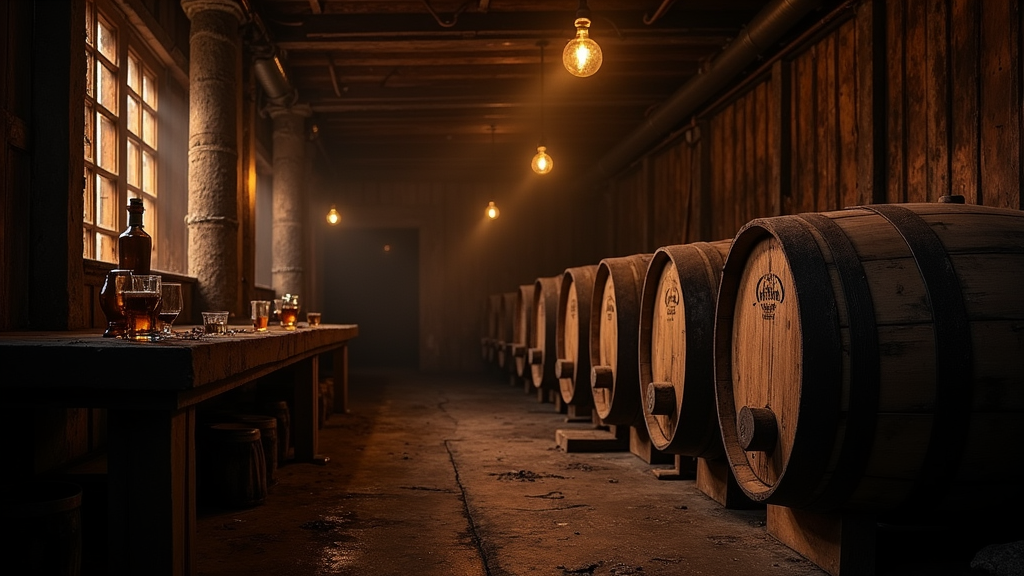
Despite its popularity, the journey of whisky on the frontier was riddled with challenges. Producing a consistent and prized product required a blend of art and resourcefulness. The extreme conditions of the frontier meant that ingredients like water and grain were not always readily available or of high quality. Many settlers had to think outside the box, relying on local resources and occasionally adapting European methods to suit the wild American landscape.
The process of fermentation and distillation was a delicate balancing act in unpredictable climates. Frontier distillers often had to modify techniques to cope with differences in temperature, humidity, and the quality of grains used. Every batch was a mix of tradition and experimentation, a testament to the determination and creativity of these early pioneers.
- Water Purity: Access to clean water was not guaranteed, yet it was essential for a good whisky. Settlers had to scour the land for reliable water sources, sometimes using natural springs or recycled rainwater despite the risks.
- Grain Quality: Grain availability varied greatly with the seasons. A poor harvest could significantly affect the flavor and strength of the whisky, making every batch unique.
- Climate Influence: The climate impacted both the aging process and the consistency of the product. Harsh winters and scorching summers demanded adjustments in storage and distillation techniques.
- Trade and Barter Challenges: Whisky was a traded item, but its value could fluctuate rapidly. Participants in trade had to be mindful of quality variations and ensure fairness in their exchanges.
In frontier life, these production challenges meant that every batch of whisky was a testament to the resourcefulness and determination of its maker. Over time, the techniques refined by these early distillers laid the groundwork for the established whisky traditions that would later define American distilling.
Water Purity in Distillation
Securing clean water was one of the primary hurdles. Settlers often traveled long distances to find reliable sources or endured risks by using water that might not have met today’s standards. Despite these challenges, the ingenuity of frontier distillers turned this limitation into a distinctive trait, giving their whisky a unique character that set it apart in a world of scarcity.
Grain Availability and Its Effects
Fluctuations in grain quality directly impacted the final product. A robust batch could transform fortunes, while a lesser quality harvest might lead to a less desirable spirit. This variability meant that the whisky produced carried an inherent authenticity reflective of its time and place, each sip telling the story of the land’s generosity or hardship.
Trade and Economic Dynamics
Whisky was not only enjoyed for its flavor but also served as a key player in economic ventures. The trade of whisky often bridged gaps between diverse communities, helping to forge economic and even political alliances. In many cases, exchanging whisky helped to smooth over negotiations. It served as compensation when conventional money was scarce and as a mark of goodwill in delicate barter arrangements.
Even with these obstacles, the multifaceted role of whisky on the frontier underscored its importance as both an enjoyable commodity and an invaluable economic resource. The experience gained from handling such challenges resonated in later distilling traditions, where much emphasis was placed on consistency and quality.
Traditional Methods and Next Stage in Whisky Production
Traditional methods of whisky production on the frontier were marked by a combination of time-tested practices and think outside the box improvisations. Early distillers often relied on methods passed down from European ancestors, yet they had to adjust those techniques to the challenges posed by the vast American landscape.
As frontier settlements grew, so did the demand for quality whisky. This led to a gradual transition from rudimentary practices to more refined processes. Distillers began experimenting with different aging barrels, fermentation periods, and even the types of grains used. These changes did not occur on a whim; they emerged from an ongoing need to step up flavor and produce a product that was both delicious and respected as a crafted luxury.
Some frontier distillers even became local legends for their unique recipes. They learned that paying attention to details such as storage conditions and the selection of wood for barrels could subtly transform the flavor profile of the whisky. Such local innovations gradually paved the way for more standardized production methods that would later be adopted by commercial distilleries. The next stage in whisky production was not merely about improving techniques; it was about capturing the spirit of an era and immortalizing it in every batch.
Whisky and Political Influence on the Frontier
Beyond its economic and social significance, whisky also left a mark on the political landscape of the frontier. Local leaders and influential figures often used a well-timed offering of whisky to build alliances and resolve disputes. In many instances, whisky served as a diplomatic tool that helped stabilize volatile situations and fostered unity among competing groups.
Political negotiations were sometimes punctuated by rounds of whisky, with decision-makers gathering in local taverns where the spirit acted as a social lubricant. These informal meetings could pave the way for formal agreements that impacted trade policies and local governance. The sharing of whisky was a practical reality in a world where traditional forms of diplomacy were still taking shape.
Furthermore, stories of whisky-fueled political debates and resolutions became part of frontier lore. The spirit was credited not only with refreshing the palate but also with clearing the mind, enabling leaders to come to reason during heated discussions. This blend of practicality and tradition helped integrate whisky into the cultural fabric of early American political life.
Foundations: How Whisky Influenced Frontier Culture
The influence of whisky on the American frontier extended far beyond its practical uses. It became a cultural symbol that reflected both the hardships and the aspirations of those living on the edge of civilization. In frontier towns, whisky was intertwined with social rituals. Whether as a celebratory drink during communal events or as a simple remedy to ease the harshness of daily toils, its presence was a constant reminder of resilience and hope.
Cultural narratives and folklore often featured whisky prominently. Legends of frontier heroes and memorable incidents frequently involved a dram of whisky as a key element. These associations helped create a shared cultural identity among settlers, making whisky not just a beverage but a cherished part of their collective memory and storytelling heritage.
The role of whisky in these settings was both practical and sentimental. It helped nurture bonds among community members and provided a thread of continuity during times of rapid change and uncertainty. Its legacy still informs modern discussions about American heritage and the spirit of the frontier, reminding everyone of how the past continues to influence today’s traditions.
- Celebratory Customs: Whisky often marked celebrations, whether it was the closing of a successful trade deal or a communal feast after a harvest season.
- Negotiation and Trade: Its value in trade transactions elevated its status as more than just a drink. It served as a means to break ice and build trust in economic exchanges.
- Storytelling and Memory: Recollections of whisky-fueled gatherings contributed to the lore of the American frontier, leaving a lasting cultural imprint that resonates with modern enthusiasts.
Frequently Asked Questions
Here are some common questions surrounding the role of whisky on the American frontier:
Question: How did whisky become a valuable commodity on the frontier?
Answer: Whisky was easy to barter and provided both a sense of luxury and a practical commodity that could break the ice during negotiations. Its production also adapted well to frontier challenges, making it a staple in many settlements.
Question: What were some of the key challenges in producing whisky during those times?
Answer: The main challenges included ensuring the purity of water, the quality of available grains, and dealing with extreme climatic conditions that affected both production and storage. Settlers had to be resourceful and find creative solutions to these obstacles.
Question: How did whisky influence social life on the frontier?
Answer: Whisky served as a social catalyst that brought communities together. It was central to gatherings, celebrations, and even negotiations. Sharing a measure of whisky often sparked conversation and strengthened community ties, making it an essential part of frontier life.
Wrapping up
Whisky on the American frontier was much more than a simple beverage. It played a multifaceted role in daily life, from serving as a tool in economic transactions to acting as a social lubricant that brought isolated communities together. Early settlers found in whisky a blend of comfort, currency, and cultural significance that left a lasting mark on the formative years of the nation.
The next stage of whisky production—from makeshift distilleries to more refined methods—mirrored the broader ride of American spirit. Each batch produced was a testament to the ingenuity of frontier settlers, whose methods and practices paved the way for modern American whisky. Understanding this history not only highlights the resilience of these early pioneers but also enriches our appreciation for a spirit that continues to hold cultural significance today.
Additional reflections on whisky remind us that its legacy is ever-present. Celebrations, political negotiations, and everyday social moments all weave into the enduring tapestry of American history. Whisky, in its many forms, continues to inspire both tradition and innovation, connecting the past with the present in a truly memorable way.
Thanks for reading,
Tony

My name is Tony and I’m the creator of The Whisky Shed, a place where good drams meet good stories. From tasting notes to deep dives into distillery history, I share honest, approachable whisky knowledge for anyone who loves a great pour. Whether you’re exploring your first bottle or expanding a growing collection, my goal is to make whisky simple, enjoyable, and worth raising a glass to. Slàinte 🥃