
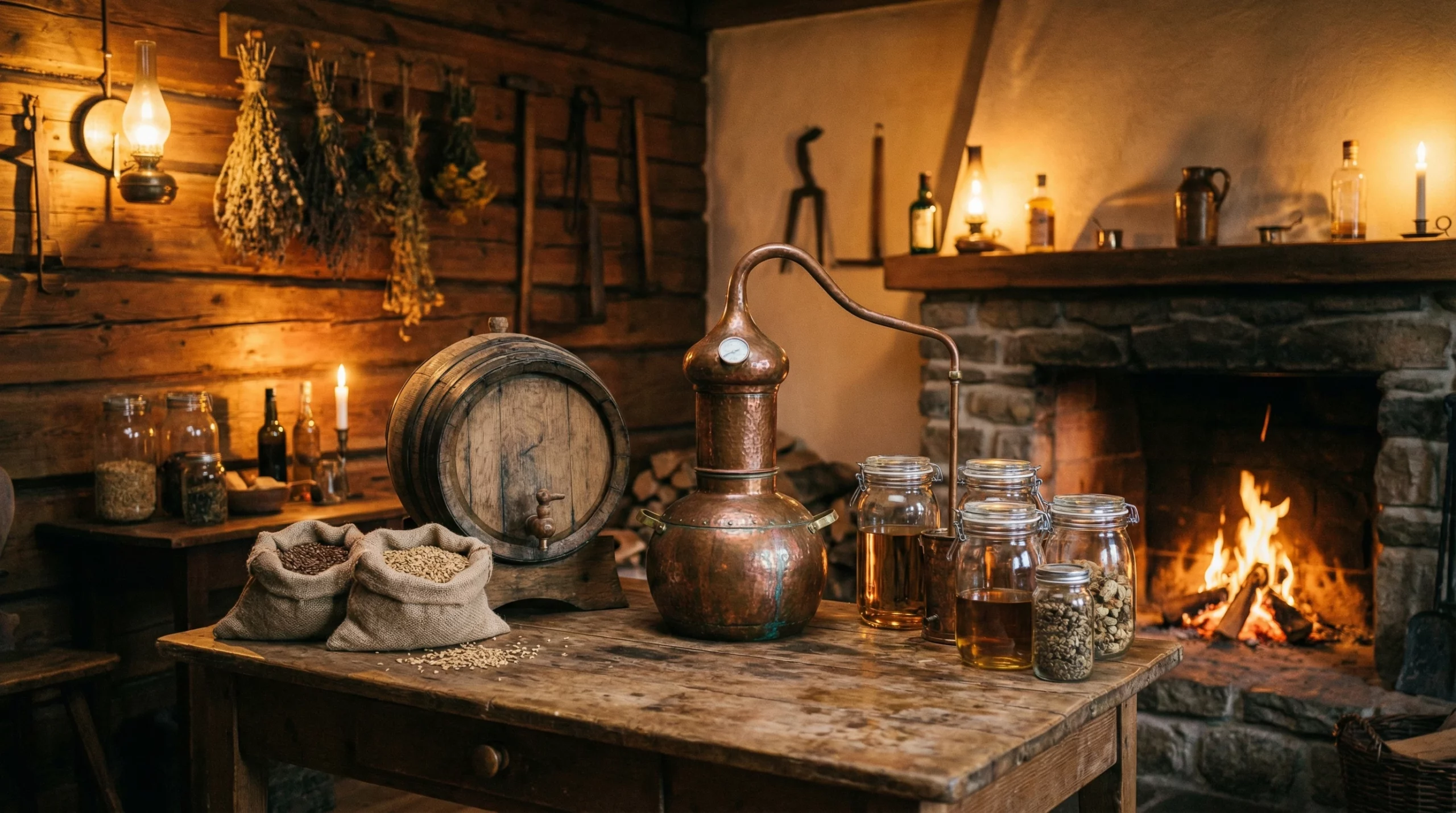
Making whisky at home sounds pretty exciting; imagine crafting your own unique bottle and sharing it with friends or just savouring it for yourself. The art of distilling has a long and storied history, but these days, home whisky making is filled with a mix of curiosity, creativity, and some pretty tight legal rules you’ll want to know about. Whether you’re in the UK, the U.S., or elsewhere, it’s very important to know what you can and can’t do before you start thinking about building a still or ordering barley online. I’m breaking down everything you should know about home whisky making, from the legal stuff to how the process works, safety tips, and what options are open if you just want to experiment.
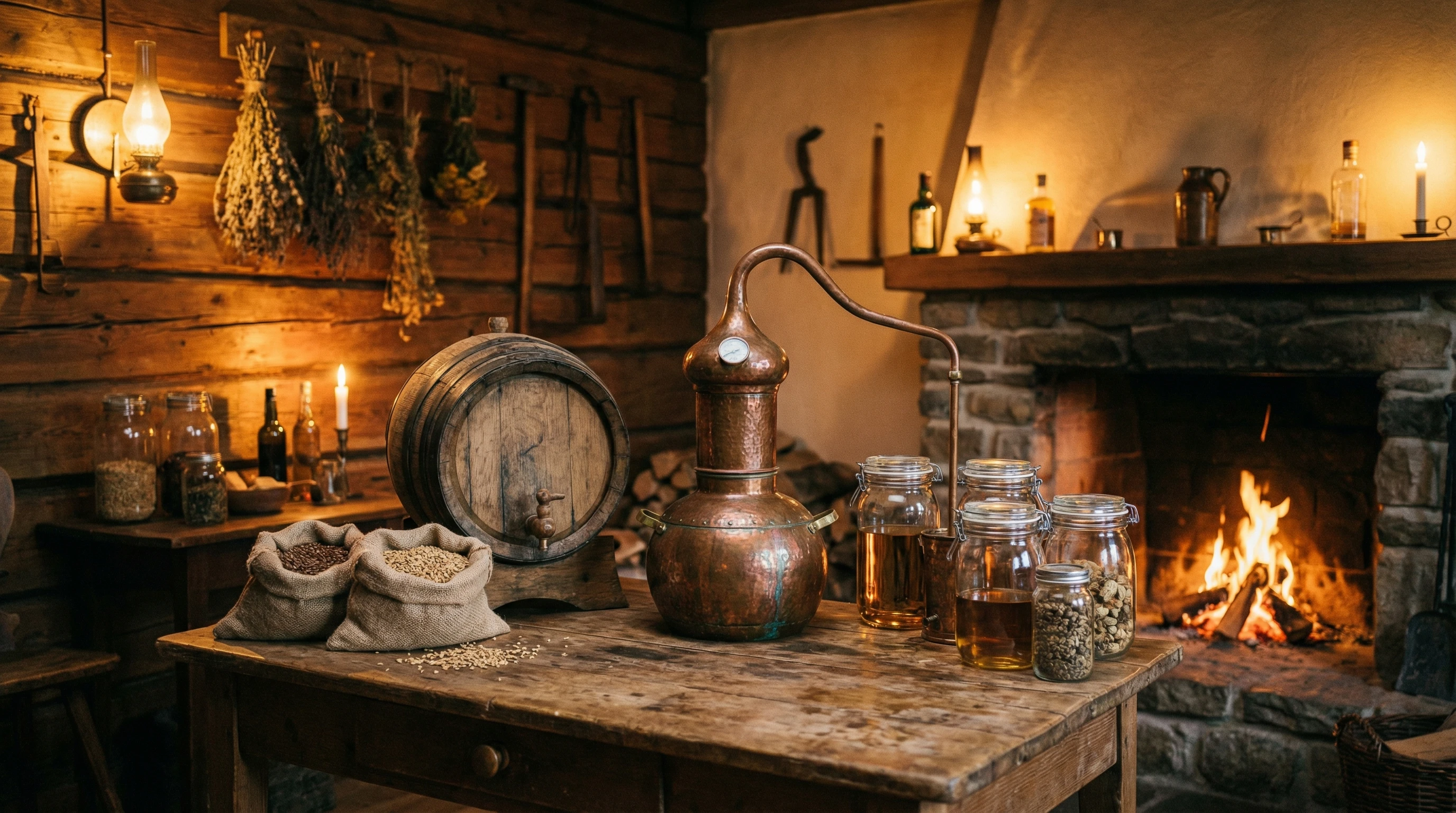
What Is Whisky, and How Is It Traditionally Made?
Whisky is a distilled spirit made mainly from grains like barley, corn, rye, or wheat. The production process takes the grain, converts its starch to sugar, ferments it, and then distills it into a high-proof spirit. The magic happens when that clear spirit ages in wooden barrels, picking up color, flavor, and complexity over several years.
The key steps in whisky production are:
- Mashing: Mixing crushed grains with hot water to pull out the sugars.
- Fermentation: Letting yeast eat those sugars and create alcohol.
- Distillation: Boiling the mash to separate alcohol from water, capturing it in a more concentrated form.
- Aging: Storing the distilled liquid in oak barrels to mature, develop flavor, and mellow out.
Making whisky at home means taking on this same process, at least in theory. In practice, things get really complicated the second you get to distillation because of legal restrictions almost everywhere.
Legal Side: Can You Make Whisky at Home in the UK?
The UK takes home distillation laws very seriously. In short, it is illegal to distill alcohol in any form at home without a license from HM Revenue & Customs (HMRC). This applies even if you’re making it for your own personal use and don’t plan to sell it.
- You can legally brew beer and wine for your own use, but once distillation is involved, the rules change entirely.
- Distillation licenses are usually reserved for commercial distilleries, and getting one as a hobbyist is extremely tough and really expensive.
- HMRC can issue big fines or even bring criminal charges if you’re caught running an unlicensed still. Whether you’re selling the whisky or not, the consequences can be severe.
So if you’re living in the UK, I wouldn’t recommend trying to distill whisky at home, even for personal use. You can experiment with home malting, mashing, and fermentation (just stop before the distillation step), or dig into legal alternatives like whisky kits that don’t involve distillation.
What About the U.S.? A Look at American Home Distilling Laws
The U.S. has a pretty similar approach but with some unique twists. Federal law, enforced by the Alcohol and Tobacco Tax and Trade Bureau (TTB), makes it illegal to distill spirits at home, no exceptions. That applies even if you’re just making whisky (or any spirit) for yourself and not selling it.
- It’s legal to own a still for display or for distilling water, essential oils, or fuel alcohol (the last one with a special permit), but not for spirits.
- Some states have their own rules; places like Missouri technically allow smallbatch home distilling, but you’re still breaking federal law if you actually do it.
- Penalties can include huge fines, equipment seizures, and even jail time, so it’s definitely not just a slap on the wrist.
You can make home beer and wine without a problem. For spirits, a few U.S. distilleries run “distill your own barrel” experiences in-house under strict supervision, so if you want to go hands-on, those are worth checking out.

Home Distilling Laws Around the World
Outside the UK and U.S., rules vary a lot. Here’s how it shakes out in a few key countries:
- New Zealand: Probably the most home distilling friendly country. You can legally distil spirits like whisky at home for personal use without a license (as long as you’re not selling it).
- Australia: Distilling alcohol at home is illegal without a license. You can own a still up to five liters for water or essential oils. Anything over that and you need paperwork.
- Canada: Distilling spirits for personal use is illegal unless you’re licensed; homebrewed beer and wine are fine.
- Europe: Most EU countries (including Germany, France, Spain) ban home spirit distilling unless you have a license, and hobby licenses are almost impossible to get.
Always check the most recent local laws. Some countries have changed their rules in the past few years, and the consequences can be pretty serious.
If You Can’t Legally Make Whisky at Home, What Can You Do Instead?
There are a few really fun, fully legal ways to experiment with the whisky process even if you can’t set up a still in your kitchen.
- Home Malting and Fermentation: Malt your own grains and ferment a “whisky mash” without distilling it. It won’t be whisky, but you’ll get a strong, beerlike drink that gives you that malty, smoky profile.
- Whisky Barrel Aging Kits: Some companies sell genuine oak mini barrels designed to let you age storebought spirits at home, giving them extra wood character in a short time.
- Flavoring Spirits: You can buy neutral grain spirits (like vodka), add wood chips, and infuse flavors and color to make your own “pseudowhisky.”
- Distillery Experiences: Book a session at a distillery that offers “distill your own” programs. You’ll get to help with the process and take home a bottle, with all the legal boxes ticked.
All of these options let you play with some creative flavor ideas and help you understand the whisky making process without risking any legal issues.
Whisky Making Process: StepByStep Breakdown
Thinking about what’s actually involved in the process? Here’s a quick rundown of each stage and what you’d need if you could legally make whisky yourself:
- Malt the Barley: Soak barley grains, let them germinate, then dry them (often with peat smoke for a smoky flavor).
- Make the Mash: Crush the barley, mix with hot water, and extract the sugars through mashing.
- Ferment the Mash: Cool the liquid “wort,” add yeast, and let it ferment for several days to produce alcohol, ending up with something like a strong beer.
- Distill the Wash: This is the step that’s illegal in many countries without a license. Distillation concentrates the alcohol and creates new flavours.
- Mature the Spirit: Store the new spirit in oak barrels for years, allowing it to develop color and flavour. Smaller barrels at home can mature quicker, but the process is hard to replicate perfectly.
- Bottle and Enjoy: Once matured, it’s filtered and bottled.
The ingredients are simple; grain, water, yeast, and oak, but the magic is in the details, the process, and, yes, patience. Commercial distilleries go to great lengths to control temperatures, timing, and wood quality to create topnotch spirits. At home, even if it were legal, getting repeatable results is pretty tricky.
Home Distilling Equipment: What’s Involved?
Distilling whisky uses a combination of traditional gear and modern gadgets. At a professional distillery, the setup includes:
- Mash tun: Where grains are mixed and sugar is pulled out.
- Fermenter: Big vessels (usually stainless steel or wooden tubs) for letting yeast go to work.
- Still: Usually made of copper, pot stills or column stills are the main tools for distillation. Pot stills are the classic choice for Scotch whisky.
- Barrels: Oak casks (either American white oak or European oak) give whisky most of its final flavor and all its color.
The gear for home distilling is basically the same, just smaller. Small stills can be bought online in some countries (again, only legally for water or other nonalcoholic uses), mini barrels are easily available, and fermentation setups aren’t too expensive. If you’re only malting and fermenting, you really just need a few buckets, a thermometer, and some patience.

Safety and Health Risks: Why The Laws Are Strict
The main reason home distilling is so closely regulated is safety. You’re working with highly flammable alcohol vapours and building up a lot of pressure inside a sealed system. Mistakes can cause fires, explosions, and serious burns. Making a bad cut during distillation can also leave dangerous amounts of methanol (a toxic alcohol) in the spirit, which is a health hazard.
- Working at home, you usually don’t have the professional training or equipment to keep things safe. That’s why licenses are only given to setups that pass safety inspections.
- Homemade whisky is unregulated, so nobody is checking for contamination or dangerous byproducts.
Sticking to legal alternatives or professional distillery experiences is definitely the safer move if you’re not a trained distiller.
Why Do People Want to Make Whisky at Home?
Most folks who want to make their own whisky are just passionate about the process. It’s all about experimenting with flavours, learning hands on, and maybe creating something they can’t buy on store shelves. The idea of using local grains, custom smoke levels, or unusual barrels is really tempting if you want to try something that’s all your own.
For some, it’s also about reconnecting with old traditions. Home distilling was a huge part of rural life in many parts of the world up until the early 1900s, and whisky ‘moonshining’ has a certain rebellious charm in pop culture. These days, most of the interest is creative, not about sidestepping taxes or making a quick buck.
Tips for Getting Started Legally
- Start with homebrewing beer or wine to learn fermentation basics. You’ll use a lot of the same skills for whisky mashing and fermenting.
- Try barrel aging infusions or whisky blending kits. It’s not the same as starting from scratch, but you’ll stumble upon a lot about how barrel wood changes spirits.
- Read up on distillation and whisky barrel aging through books, distillery tours, and online resources. There’s a huge whisky making community out there, and many are happy to share tips and inspiration.
- If you want hands-on experience, look for a legal “distill your own” session at a commercial distillery. This is offered in places like Scotland, Ireland, the U.S., and even Japan.
Common Questions Home Whisky Makers Have
Here are some questions I’ve been asked over the years:
Can I legally buy a small pot still for home use?
In most countries, yes, you can buy a still for things like water or essential oils, but using it for alcohol usually requires a license. Always read the fine print and local laws because even owning one intended for alcohol can be an issue in a few countries.
How can I get close to making whisky flavour at home without breaking laws?
Try aging neutral spirits (vodka or unaged bourbon) in a small oak barrel or infusing it with toasted wood chips. You can also play with store bought whisky by adding additional wood, spices, and even smoke flavouring (like liquid smoke) for fun experimentation.
Does home whisky making save money?
Not really; once you factor in equipment, ingredients, and especially the legal fees or fines if you get caught, it’s rarely cheaper than buying a good bottle from the store! The appeal is usually in the process and creativity, not cutting costs.
What are the risks of drinking homemade spirits?
Unregulated spirits can contain dangerous contaminants, especially methanol. Commercial distillers use careful measuring and professional gear to make spirits that are safe and consistent. Home setups often don’t have these safeguards, so the health risks are real.
Wrapping Up and a Nod to Creativity
Making whisky at home is a dream for a lot of people who love hands on food and drink projects. But the law in most places is clear: actual distilling without a license is off limits for now. Luckily, there are a bunch of creative, legal ways to experiment with whisky flavours, learn the ropes of fermentation, and talk whisky with other fans. If you’re passionate about learning the craft, stick to legal paths. You’ll still find plenty of ways to get involved and maybe even enjoy your own creations, no lawyers or courtrooms needed! For more on home fermentation, legal barrel aging kits, or booking a guided whisky making tour, it’s easy to find online communities and resources to help you get started.
Whether you’re learning the basics of mash, geeking out over cask types, or just dreaming about the craft, there are safe and legal ways to indulge your whisky curiosity.
If you just want to get straight to the whisky, already aged and ready to go then visit The Whisky Exchange for one of the best ranges of whisky online!
Slàinte
Tony

My name is Tony and I’m the creator of The Whisky Shed, a place where good drams meet good stories. From tasting notes to deep dives into distillery history, I share honest, approachable whisky knowledge for anyone who loves a great pour. Whether you’re exploring your first bottle or expanding a growing collection, my goal is to make whisky simple, enjoyable, and worth raising a glass to. Slàinte 🥃