Whisky’s origins are deeply rooted in ancient distillation practices, evolving from alchemical experiments to refined craftsmanship in places like Scotland and Ireland. The article explores how early distilleries such as Bowmore and Bushmills helped shape the modern whisky industry through innovation, regional influence, and cultural exchange. With geography, tradition, and experimentation playing key roles, these early pioneers laid the foundation for a global legacy that continues to inspire distillers and delight whisky lovers today.

“Too much of anything is bad, but too much good whiskey is barely enough.”
Mark Twain
The Golden Spirit
Whisky, the golden spirit that has captured the hearts of many, starts with an age-old process known as distillation. It’s this magical transformation that turns humble grain mixtures into the complex and nuanced liquor we know today. Distillation isn’t just about alcohol; it’s about coaxing flavors and aromas from raw ingredients, a craft that takes patience and precision. So, what’s the story behind this fascinating process?
The art of distillation traces back centuries, with roots reaching into ancient civilizations like the Greeks and Romans, and even further into the heart of the Middle East where alchemists tinkered with basic forms of the process. History geeks might find it interesting to note that while alchemy was often about chasing eternal life, in this case, it birthed a method that granted whisky its own kind of immortality by preserving the essence of grains.
Now, when it comes to whisky, the beloved spirit got its first documented shout-out in Scotland. In 1496, a monk named John Cor mentioned the distillation of ‘aqua vitae,’ a term that literally means ‘water of life’ and perfectly captures whisky’s spirited essence. It’s fascinating how a monk’s records on producing this fiery liquid mark the beginnings of whisky’s grand history.
Several spots around the globe claim their role in whisky distillation’s origins, but the truth lies in sporadic developments and cultural exchanges that spread the practice. While Ireland and Scotland lay most of the historical claim, places like Japan eventually adopted and adapted these techniques, weaving their own distinct traditions and flavors into the whisky tapestry. So, as you’re sipping your next dram, remember you’re partaking in a global story centuries in the making.

A Deep Dive into the Pioneering Distilleries
Whisky’s history is peppered with stories of daring visionaries and trailblazers. These pioneering distilleries laid the groundwork for what we enjoy today, setting standards and breaking new ground. But who were these early architects of whisky? Let’s meet a few who played crucial roles in its evolution.
Bowmore, one of the oldest distilleries in Scotland, kicked things off in 1779 on the idyllic isle of Islay. Known for its rich, smoky flavors, Bowmore became a hallmark of quality and tradition. Its legacy is defined by a combination of masterful craftsmanship and the unique maritime climate that the distillery calls home. Every sip of Bowmore whisky offers an echo of history. It’s like tasting the very spirit of Scotland.
Meanwhile, over in Ireland, the Old Bushmills Distillery, with records dating back to 1608, was weaving its own whisky tale. Located in Northern Ireland, Bushmills is renowned for producing smooth, malty spirits that contrast sharply with their smoky Scottish counterparts. It’s worth noting how their unpeated style continues to influence numerous distilleries.
These early distilleries weren’t just about making whisky; they were crafting culture and community. Their influence extended beyond borders, inspiring international interest and sparking a global whisky revolution. Through triumphs and trials, they persisted, laying down the foundations for modern brands that reach across continents today.
These seminal distilleries not only crafted spirits but also sculpted economic and cultural landscapes. Communities flourished around them, with whisky driving trade and tourism. By exploring these pioneering sites, we get a fuller picture of whisky’s impact and realize it’s a legacy of people dedicated to excellence, flavor, and heritage.
Key Innovations and Techniques of Early Distillers
The early days of whisky-making were characterized by a spirit of innovation that continues to shape the industry today. The introduction of the pot still was a huge leap forward, allowing distillers to refine their craft and create a purer spirit. This iconic copper tool became synonymous with quality and tradition, shaping not just taste but the very identity of whisky.
Early distillers were constantly experimenting, with each tweak and turn pushing the limits of what whisky could be. They played with ingredients, adjusted fermentation times, and varied distillation temperatures, always hunting for that perfect drop. Each experiment led to improvements not only in flavors but also in the basic understanding of distillation science.
Adaptation was key. With each batch, distillers learned more about their tools and methods, optimizing them for better yield and consistency. They recognized the importance of the wash—a key component in fermentation—to refine the character of their spirits. By modifying local grains and water sources, they laid the groundwork for regional whiskies, each with its own unique profile.
What’s truly amazing is how these early techniques managed to carry through to modern times. Many distilleries today still rely on those age-old methods, adapting them with technology but never straying too far from tradition. This blend of innovation and respect for history ensures every bottle of whisky today is a tribute to its innovative past.
Influence of Geography and Culture on Early Whisky Production
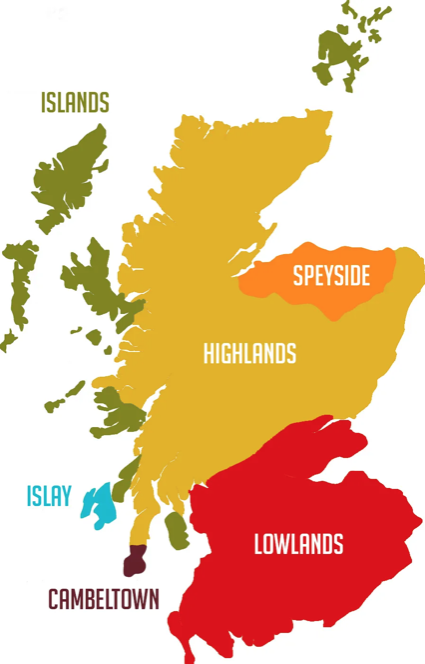
Geography and culture played a significant role in shaping early whisky production. The location of each distillery wasn’t simply a matter of convenience; it was a critical factor that influenced the character and taste of their whisky. This geographic influence is still palpable in today’s whisky world.
Take Scotland’s Islay region, for example, where the maritime climate and peat-rich soil have become defining elements of the local whisky’s signature smoky flavor. The Atlantic Ocean’s proximity imbues the spirit with a distinctive, briny touch that you won’t find anywhere else. This natural seasoning sets Islay whiskies apart, providing a unique tasting experience that really speaks to the land itself.
Cultural influences brought their own flair to the whisky story. Local traditions dictated not only what ingredients were used but how whisky was consumed. For instance, in Ireland, whisky was often triple distilled, resulting in a lighter, smoother spirit that contrasted with the typically more robust Scottish counterparts. These cultural nuances became embedded in the fabric of whisky production, creating a diverse spectrum of tastes and styles.
Local ingredients were another major influence. Whether it was the specific grains or the quality of the water sourced from nearby springs and rivers, these elements contributed to the distinctive profiles that defined each distillery’s products. The terroir—the environment where something is grown—played as crucial a role in whisky-making as it does in wine-making.
Cultural exchanges, such as those between Ireland, Scotland, and later Japan, introduced new methods and ideas, enriching the whisky tradition and leading to the unique blends we enjoy today. Each region borrowed techniques while adding their own twist, contributing to whisky’s global tapestry. Geography and culture didn’t just flavor the whisky—they colored its history with diversity and innovation.
Legacy of the Early Whisky Distillers: A Lasting Impact
Even today, the spirits crafted by the early whisky distillers continue to resonate with a profound legacy. Their foundational efforts didn’t just set the stage for whisky as a beverage, but also as a symbol of cultural heritage. Modern whisky brands that grace our shelves owe a significant debt to these pioneers, leaning on their methods while creating their own narratives.
Many contemporary distilleries pay homage to these historical roots by preserving traditional techniques within an industry increasingly driven by technology. You’ll find that in many places, the age-old methods of fermenting, distilling, and aging remain essentially untouched, ensuring that the essence of early whisky-making still shines through in every glass.
Legendary whisky-makers—those trailblazers who experimented, crafted, and perfected the art have entered the annals of history as much more than producers; they’ve become icons. Their stories continue to inspire new generations of distillers who proudly carry the torch, melding classic skills with fresh innovations.
As whisky-making moves forward, there’s potential for exciting new trends and innovations that remain deeply rooted in these historical practices. Fusion whiskies, incorporating techniques and flavors from different traditions, are an emerging trend, along with increasing emphasis on sustainability and local sourcing, proving that the core ethos of conservation and quality is alive and well.
The spirit of whisky, much like its history, is rich, layered, and never quite finished. With each pour, you’re connecting to a legacy that crosses time and cultures—a testament to human ingenuity and the undying passion for crafting something truly exceptional.
FAQ: The Origins and Early Distilleries of Whisky
1. When and where was whisky first documented?
The earliest known reference to whisky comes from Scotland in 1496, when a monk named John Cor was recorded as distilling ‘aqua vitae’—Latin for “water of life.” This is widely considered the first official mention of whisky as we understand it today.
2. What role did early alchemists play in the development of distillation?
Early alchemists, particularly in the Middle East and later Europe, were instrumental in developing basic distillation techniques. Though originally used for medicinal and mystical purposes, their methods laid the groundwork for distilling alcohol and ultimately whisky production.
3. Which were some of the first whisky distilleries in the world?
Two of the earliest and most influential distilleries are Old Bushmills in Northern Ireland, which dates back to 1608, and Bowmore, founded in 1779 on Islay, Scotland. These pioneers helped define national styles and set quality standards still followed today.
4. How did geography influence early whisky styles?
Geographic factors such as local climate, water sources, and available grains had a significant impact. For example, Islay’s peaty soil and coastal air give its whiskies a signature smoky, briny character, while Irish whiskies often use unpeated malt and triple distillation for a smoother profile.
5. What innovations did early distillers contribute to whisky-making?
Early distillers introduced key innovations like the copper pot still, refined fermentation techniques, and experimentation with ingredients. These developments not only improved purity and flavor but also established enduring methods still used by modern distilleries.
6. How have early whisky traditions influenced the modern industry?
Modern whisky distilleries often preserve traditional techniques like pot still distillation and aging in oak barrels. The values of craftsmanship, regional character, and slow production embraced by early distillers remain at the heart of whisky culture today.
Thanks for reading The First Whisky Distilleries: Early Pioneers Of The Craft. Why not enjoy a wee dram while you read about The Mysterious Beginnings of Whisky.
Until next time
Tony

My name is Tony and I’m the creator of The Whisky Shed, a place where good drams meet good stories. From tasting notes to deep dives into distillery history, I share honest, approachable whisky knowledge for anyone who loves a great pour. Whether you’re exploring your first bottle or expanding a growing collection, my goal is to make whisky simple, enjoyable, and worth raising a glass to. Slàinte 🥃