
Sitting down with a few different whiskies in front of me, I always get that sense of excitement mixed with a bit of curiosity. I’ve often wondered if I could genuinely pick apart the differences between single malts, or if it’s all clever branding and suggestion. If you’re curious about whether you can truly tell one whisky apart from another, you are definitely not alone. Whether you’re a casual sipper, a full-on enthusiast, or just whisky-curious, there’s a lot to unpack about tasting and understanding whisky.
What Actually Makes Whiskies Different?
Every whisky, from classic Scottish single malts to American Bourbons and even blended varieties, has its own personality. At first glance, whisky might just look like a glass of brown liquid, but the details matter. Location, ingredients, how it’s made, the barrels, and the time it spends aging all have a say in what you taste. But how big are the gaps between them, and can we really spot those differences?
Single malt Scotch whiskies, for example, are made from malted barley at a single distillery. Bourbon, on the other hand, comes mostly from corn and is produced under a totally different set of rules. With blended whiskies, things get even trickier; these are often mixes from different distilleries or even countries. The thing is, some whiskies pack really obvious flavours, while others keep things way more subtle. That means sometimes you’ll get a massive burst of flavour right away, and other times, you’ll need to slow down and search for the details.
A Quick Guide: Scotch vs. Bourbon vs. Blends
Single malt Scotch comes from places like Islay, Speyside, and the Highlands. Each region is known for particular flavours. For example, if you pick up a typical Islay whisky, you often get lots of smoke and peat. Go for Speyside, though, and you might find things softer and sweeter; think apple, honey, or nuts. As for Bourbon, the sweet, bold, and sometimes spicy flavours come straight from the corn mash and the brand new charred oak barrels used in aging. Rye whisky cuts in with even more spice and a drier finish. Blended whiskies, like Famous Grouse or Johnnie Walker, aim to balance and blend flavours, making them really approachable.
The funny thing is, with all this going on, sometimes the differences jump right out at you. Other times, the gap between a couple of Speyside malts or a blend and a single malt can feel pretty slim, especially if you’re not tasting them side by side. The story behind each bottle definitely helps shape what you might expect, but it’s what you see, smell, and taste that really matters.
How to Taste Whisky: Simple Steps for Everyone
Pulling apart the details in whisky doesn’t take any fancy qualifications; just a bit of practice and a willingness to trust your senses. Here are a few practical tips that work for anyone:
- Look: Take a look at the colour. Whiskies that are darker might have spent more time in the barrel, or the barrel was particularly active. Lighter whiskies can sometimes be gentler in flavour, but not always.
- Smell (Nosing): This is where things get interesting. Give your glass a little swirl (just like wine), and breathe in gently. Try to notice what jumps out; vanilla, smoke, spice, something fruity, or even the scent of fresh bread. If the whisky feels too strong, try adding a drop or two of water. This can help open up new aromas that were hiding before.
- Taste: Take a small sip and hold it in your mouth for a moment. See if you pick up different flavours on the tip of your tongue compared to the back. Some whiskies bloom with all kinds of flavours as you hold them, while others stay relaxed and subtle the whole way through.
- Finish: This is just how the whisky leaves your mouth after swallowing. Some linger for ages with flavours that keep changing, while others disappear fast.
Don’t worry if you don’t pick up 14 different flavours on the first try. Sometimes, even experienced tasters have a hard time describing what they’re experiencing. It’s totally normal if you just notice a few big things, like “spicy” or “sweet,” and that’s a great place to start.

Regions and Their Vibes: Where Distinctiveness Shows Up
Geography makes a massive difference in how whisky tastes. If you’re comparing single malts from different regions, you might notice themes showing up again and again. Here’s a quick breakdown to give you an idea of what to expect:
- Islay (Scotland): Famous for being smoky, peaty, and sometimes briny. Laphroaig and Ardbeg are classic examples that fans either really love or really don’t.
- Speyside (Scotland): Generally sweeter and fruitier. Think Glenfiddich or Aberlour. More approachable if you’re not into heavy smoke.
- Highlands (Scotland): Varied, but you can find more floral, herbal, or even spicy notes. Try Glenmorangie or Dalmore.
- Bourbon (USA): Think sweet caramel, vanilla, and sometimes a hint of spice. Makers like Buffalo Trace and Woodford Reserve melt those flavours together really well.
- Blended Scotch: Designed to be smooth and easy. Johnnie Walker Black Label or Chivas Regal have a mix of fruit, grain, and very gentle smoke.
The funny thing is, a Speyside and a Highland malt can sometimes be hard to tell apart if you’re new to whisky, but an Islay next to a Bourbon will almost never trip you up; the flavours are just miles apart. The subtlety comes in when you’re splitting hairs between, say, two different Speyside malts, or comparing younger and older versions from the same distillery.
Sneaky Similarities: When It’s Hard to Tell
Not all whiskies scream their differences from the rooftops. Sometimes, the only real difference between two bottles is a small change in barrel type or a year or two in age. In blind tastings, even the best whisky pros admit that telling one from another can be tough. Blends especially are made to taste smooth and middle of the road, so you might not find any wild flavours sticking out.
What makes it even trickier is your own senses. If you’ve smelled or tasted a lot of strong flavours before trying whisky, your nose and palate can get “fatigued” and you don’t pick up as much. Conditions in the room, glass shape, or even your mood play a role. It’s a good reminder that it takes practice and a bit of luck to really zero in on all the flavors at once.
Tasting Together: Why Sharing Matters
Tasting whisky with friends or others who are into it makes a huge difference. Everyone notices something different, and someone else’s idea might help you spot something you missed. I’ve been to tastings where one person picked up on a chocolate note I wouldn’t have noticed otherwise, and suddenly, it was all I could taste; pretty wild how suggestion works.
If you’re new to whisky, join a tasting group or go to a casual pub tasting night. People are usually relaxed, happy to share, and you learn way more by comparing your impressions. Sometimes, just hearing someone say “smells like fresh apples” will help reset your nose, and you start to notice it, too.

Practical Tips to Train Your Palate
- Keep a Tasting Notebook: Write down what you see, smell, and taste. This isn’t just for experts; it’s a way to remember which bottles you liked and what you noticed most.
- Focus on Freshness: Try not to wear strong colognes or perfumes when tasting whisky, and avoid foods or drinks that leave a heavy flavour in your mouth right before you taste.
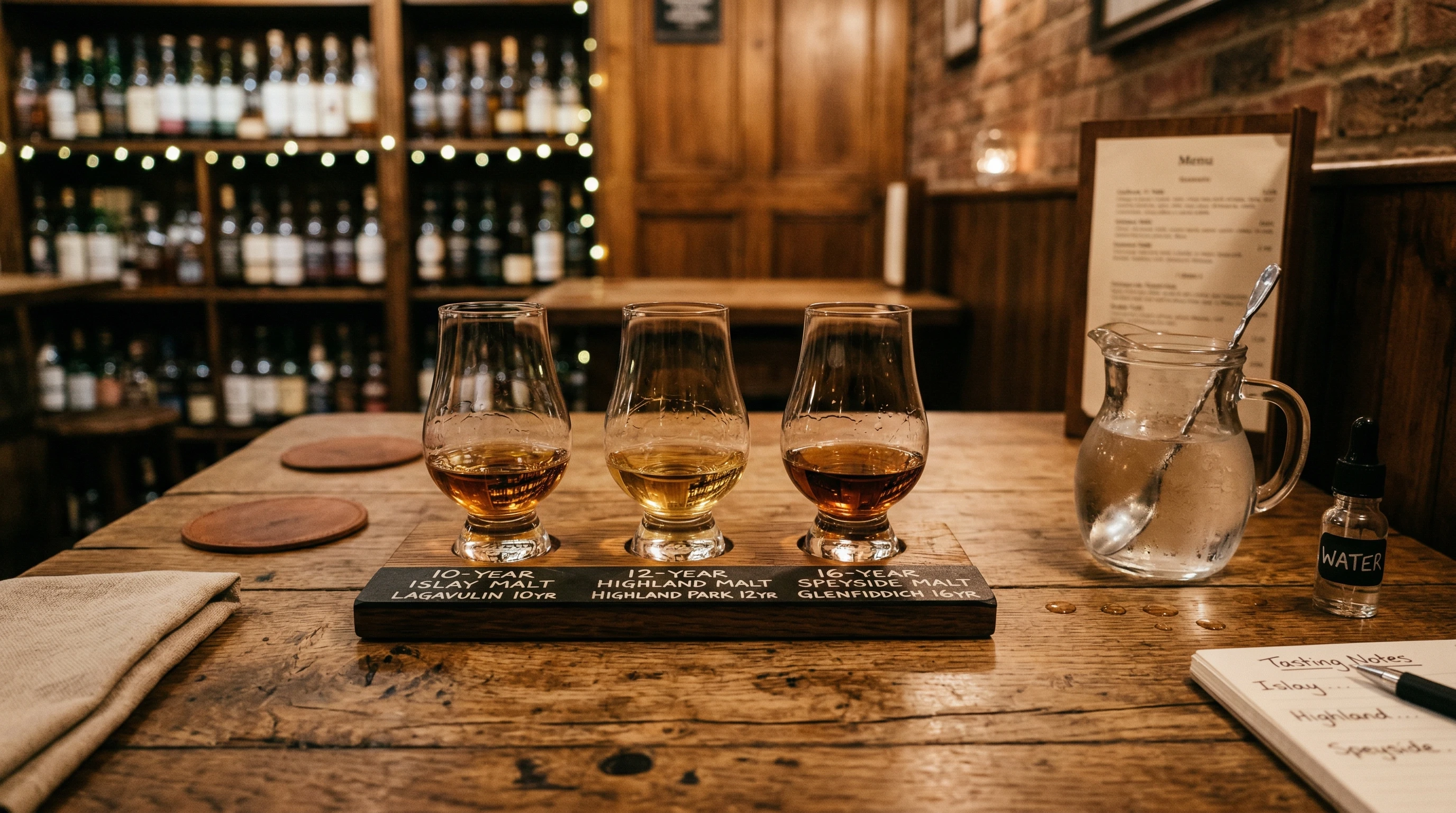
- Taste Side by Side: Lining up a couple of whiskies and tasting them back to back makes differences pop a lot more. A classic “flight” is a good way to start.
- Add a Splash of Water: A little water (especially in barrel proof or cask strength whiskies) can really help open up the flavours and soften harsh edges.
With a bit of time and curiosity, you’ll find that some whiskies jump out as unique, while others feel much the same. That’s totally normal, so don’t stress if you ever get them muddled; everyone has a different sensitivity, and it changes with practice.
Common Hurdles and How to Handle Them
- Overpowering Burn: If the alcohol burn is masking flavours, add a tiny bit of water, swirl, and give it a few seconds before nosing or tasting again.
- Palate Fatigue: Limit the number of whiskies you taste in one session, and try plain crackers or bread between each sample.
- Expectation Bias: Sometimes knowing the brand or region can set your mind on certain flavours. Blind tasting (covering up the bottles or labels) helps find what you actually taste, not what you expect.
Why Your Nose Matters Most
Most of what you “taste” in whisky actually happens through your sense of smell. That’s why nosing is such a big deal. Smelling a whisky before sipping gives you a head start on what to expect, and swirling your glass helps bring out more aroma molecules. Try keeping your mouth open a bit while you sniff; this helps balance the alcohol tingle with the scents, letting you pick up things you might not notice otherwise. Everyone’s nose is a little different, so focus on what feels right to you, and don’t worry if your notes aren’t textbook perfect.
Real Examples: Playing Whisky Detective
A few years back, I poured a Glenlivet (a Speyside single malt), a Lagavulin (Islay), and an Elijah Craig Bourbon for a fun flight with friends. The differences between Glenlivet and Lagavulin were easy; Glenlivet was sweet and fruity, Lagavulin was like a campfire in a bottle. But when we tried to pick out subtle differences between two different Speyside malts, most of us were stumped. Tasting them side by side made some little details pop out, like a slight nuttiness versus floral notes, but had we tried them on separate days, we might have called them nearly identical.
Blended whiskies threw many of us because their flavour is smoothed out to please most palates. It was only when someone slowed down, asked what flavours were there, and added a tiny splash of water that we started noticing more fruit and gentle spice. Sometimes, it’s just about giving your senses time to wake up.
Frequently Asked Questions
Can someone really taste the difference between cheap and expensive whisky?
Price isn’t always a guarantee of powerful flavour or more complexity, but a higher price sometimes gets you older, more barrel influence and possibly a richer texture. Blind tastings can sometimes surprise people, with cheaper bottles holding their own next to pricier malts.
Are regional differences in Scotch actually that noticeable?
Big differences show up with very peaty or smoky Islay malts vs. lighter regions like Lowland or Speyside. Within a single region, things can get trickier; some bottles are easily distinguished, others have only subtle differences.
How can I improve my ability to spot whisky differences?
Practice helps, especially tasting with others and writing down your notes. Trying a few whiskies at the same time and comparing side by side really helps. Over time your palate and nose pick out more details.
Will adding water ruin my whisky?
Not at all. Water can open up flavours and aromas, especially in higher proof whiskies. Just add a few drops at a time; you can always add more but can’t take it back out. Most professional tasting sessions will include water to help highlight certain flavours.
The Takeaway
Whisky tasting is a blend of art, science, and personal experience. There are absolutely differences between whiskies, especially when comparing across different regions or completely different styles like Scotch and Bourbon. At the same time, some bottles will feel almost identical until you start noticing subtle flavours with practice and a good environment. Training your nose and palate, tasting with friends, and keeping an open mind are all super important. Over time, you’ll figure out which bottles and styles really stand out to you, and how to spot those little details that make each whisky unique.
Grab a few bottles, pour yourself a flight, and see what you notice. You might be surprised by the differences, or the similarities, you find along the way.
Extra Note: As you keep tasting whiskies over the years, you might want to check out distillery tours, online tasting classes, or even whisky festivals. These experiences will broaden your horizons, help you meet fellow enthusiasts, and give you a deeper perspective on whisky culture worldwide. Keep a collection of your notes and favourite bottles; your taste will keep evolving and your appreciation for subtlety will grow with time. Over time, what once seemed similar may start to reveal unique characteristics you never noticed before.
The most important thing is to enjoy the experience and it is even better with friends.
Slàinte
Tony
I am an affiliate for The Whisky Exchange. If you purchase through my link I will earn a very small commission at no extra cost to you. These commissions help me to continue writing articles and reviews for this website. Thank you for your support.

My name is Tony and I’m the creator of The Whisky Shed, a place where good drams meet good stories. From tasting notes to deep dives into distillery history, I share honest, approachable whisky knowledge for anyone who loves a great pour. Whether you’re exploring your first bottle or expanding a growing collection, my goal is to make whisky simple, enjoyable, and worth raising a glass to. Slàinte 🥃