
Whisky has long played an unexpected but fascinating role in the annals of military history. Throughout the centuries, whisky served not only as a beloved beverage but also as a key supply commodity for soldiers on the move. In many ways, the story of whisky and warfare intertwines with the struggles, innovations, and challenges faced by military campaigns. This article digs into how whisky was supplied to soldiers, the logistics behind its distribution, and its multifaceted uses on the battlefield.
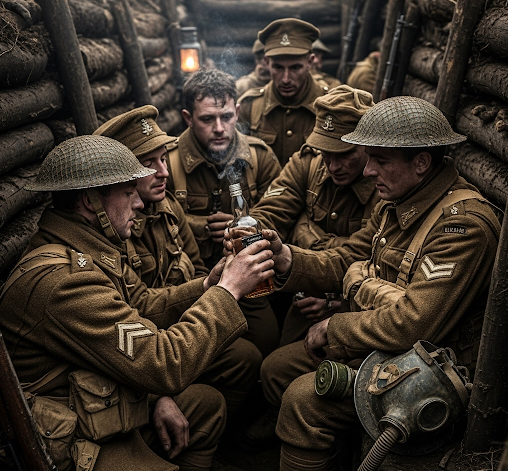
Whisky: A Storied Companion in Military Campaigns
Across continents and centuries, whisky has been more than just a drink. It was a staple brought along during long campaigns, often serving as a comfort during difficult times. In times of uncertainty and hardship, whisky provided warmth and a moment of respite for those far from home. Historically, soldiers came to rely on whisky as a source of morale and even as a form of early medicinal treatment to ease pain and lift spirits on cold nights.
The presence of whisky in military rations speaks to its value as both a luxury and a necessity. Commanders and supply officers noted that a well-timed dram could lift spirits and foster camaraderie among troops. The double role of whisky. It served as both a commodity and a therapeutic agent, and it helped forge a unique bond between its producers and the armed forces that depended on it during wartime.
Many firsthand accounts from historical battles reveal that the shared experience of enjoying a dram not only provided physical warmth but also strengthened bonds between soldiers. This act of sharing a drink created moments of unity, offering brief escapes from the rigors of military life and the stresses of warfare. Over time, whisky became emblematic of the enduring spirit of resilience and hope, mirroring the determination of those who carried it into battle.
Historical Supply Routes and the Next Stage of Military Whisky Distribution
In early times, whisky supply lines were established long before modern logistics took shape. Distilleries located in remote highlands or rural hinterlands were often tasked with producing whisky in large quantities. The production and distribution of whisky required both innovation and a keen understanding of local trade routes. These distilleries became small, yet very important hubs in a larger network that connected rural producers to military depots.
The transportation of whisky involved a mix of local carts, river barges, and sometimes inventive methods such as organized wagon convoys. The safe passage of whisky was as important as the mobility of the troops themselves. Military leaders recognized that maintaining quality and a steady supply translated into the need for secure routes and trusted carriers. The evolution of these routes often mirrored the technological advancements and infrastructural improvements of the time.
Over the centuries, the next stage in military whisky distribution saw enormous progress in strategic route planning and supply chain methods. Supply chain experts of the past had to think well ahead not only about immediate transportation needs but also about unforeseen challenges. Their ability to foresee potential disruptions and adjust plans accordingly meant that, even in the midst of chaos, whisky reached even the most isolated outposts. Innovations such as fortified storage facilities and specially sealed casks ensured that the spirit remained intact throughout long journeys. This all-in-one approach to keeping the supply chain robust led to methods that would eventually influence modern logistics practices.
A Quick Guide to Supplying Soldiers with Whisky in the Past
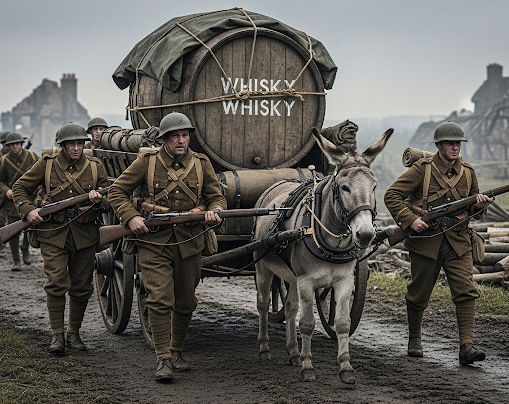
For centuries, military supply officers adopted a systematic approach to ensure that whisky reached the battlefield in proper condition. Here are some practical methods that were employed:
- Securing Robust Supply Lines: Commanders established dedicated trade routes known to be safe from enemy raids and natural obstacles. They mapped out paths that avoided conflict zones and challenging terrains, ensuring that every shipment had the best chance for a smooth journey.
- Maintaining Product Quality: Distilleries adapted their techniques to produce whisky that withstood long periods of storage and transport, ensuring consistent flavor and potency. Measures such as improved barrel construction and sealing methods were put in place, and continuous refinements ensured that quality never waned.
- Utilizing Trusted Carriers: Caravans or military escorts were deployed to transport casks of whisky. These trusted individuals and groups were selected based on their reliability and intimate knowledge of the terrain, thereby minimizing the risk of spoilage or theft.
- Strategic Reservations: Reserve stocks were sometimes hidden along the march routes, ensuring soldiers could access supplies even if primary lines were compromised. These secret stashes served as safety nets during emergencies.
- Adapting to Seasonal Changes: Adjustments in transport methods and storage techniques allowed military planners to overcome challenges posed by varying weather conditions and seasonal demands. Whether facing bitter cold or torrential rains, contingency plans were in place to keep the whisky safe and the supply line unbroken.
This organized approach demonstrated not only the necessity of whisky as a ration but also highlighted the broader importance of planning, precision, and flexibility in military logistics. Over time, the success of these methods led to improvements that are still admired in modern supply chain strategies.
Challenges in Whisky Supply During Warfare
No supply chain, especially one operating under war conditions, is free from challenges. Supplying soldiers with whisky came with its own set of obstacles. One primary issue was the complexity of logistics and transportation. Moving large quantities of whisky over rough terrain required durable barrels and reliable transport methods. Often, unexpected delays caused by severe weather or enemy interference disrupted delivery schedules.
Storage and preservation were also significant concerns. It was very important to ensure that whisky maintained its quality over long periods. Poor storage conditions could lead to spoilage or diminished potency. This meant that measures had to be taken to create controlled environments wherever possible, whether on the march or in stationary depots. Every lapse in storage standards risked reducing whisky’s effectiveness as both a morale booster and a makeshift medical aid.
Another challenge lay in quality control. Variations in production techniques and the quality of raw ingredients made it difficult to guarantee that every batch was uniform in strength and taste. Military authorities frequently had to deal with inconsistencies, which sometimes meant that a shipment of whisky was less effective than intended. Moreover, legal and trade barriers in some regions further complicated matters. Local laws and trade restrictions often forced military planners to improvise alternative supply methods or seek new routes that bypassed bureaucratic hurdles.
Over time, each of these challenges prompted innovative solutions. Better sealing techniques for barrels, improved storage practices, and the development of coordinated convoys all contributed to the stability of whisky supplies during prolonged conflicts. These constant adjustments and improvements not only solved immediate problems but also laid the groundwork for more resilient and adaptive logistics systems in later years.
Moreover, the military’s commitment to ensuring whisky reached its destination no matter the circumstances speaks volumes about the strategic value placed on maintaining troop morale. Every setback in the supply chain was met with rapid problem-solving and quick adjustments, ensuring that the supply network remained as efficient as possible even in the face of adversity.
Innovative Uses of Whisky on the Battlefield
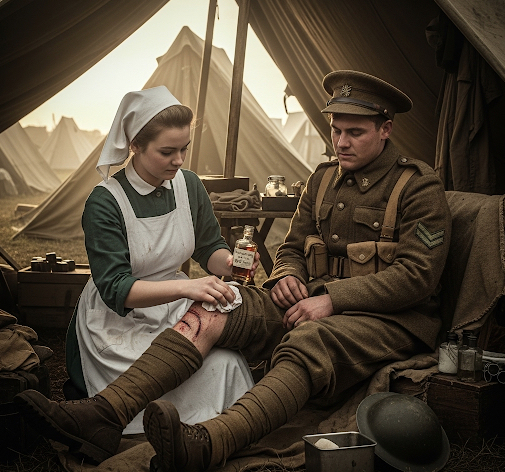
Whisky’s role extended far beyond being merely a ration. It served several innovative purposes that directly supported military objectives. Soldiers often used whisky as a means to fortify their morale during long, grueling campaigns. The ritual of sharing a dram fostered unity among troops, and these moments of communal celebration often provided a crucial psychological boost in the midst of hardship.
In many instances, whisky was also employed for its medicinal properties. When clean water was scarce, whisky offered a safer alternative for cleaning wounds, owing to its antiseptic qualities. Although it was not a substitute for modern medicine, its use in rudimentary first aid helped provide relief and prevented infections to some extent. This dual function—as both a comfort drink and a medical aid—highlighted its practical value on the battlefield.
Furthermore, whisky often acted as a form of currency. In times when essential supplies were in short supply, soldiers could trade whisky for food, ammunition, or other vital goods. This bartering system ensured that even when formal supply lines were interrupted, the flow of resources continued. The ability to use whisky in exchange for other necessities underscores its importance in military logistics and survival strategies.
There are also accounts of whisky being employed in less conventional ways. In certain situations, small quantities of whisky were used to clean and oil equipment, demonstrating the resourcefulness of soldiers when it came to making the most out of available supplies. Such improvisations, born out of necessity, not only emphasized the versatility of whisky but also its enduring role as a multifaceted tool in times of conflict.
Frequently Asked Questions
Question: Why was whisky so important to soldiers in the past?
Answer: Whisky played multiple roles as a source of warmth, a morale booster, and a rudimentary medical aid. Its portability and durability made it an ideal supply for long military campaigns.
Question: How did military supply chains adapt to ensure whisky quality?
Answer: Supply chains were carefully organized with secure routes, specially designed storage methods, and trusted carriers to minimize spoilage and maintain consistency in whisky quality.
Question: Were there any innovations in whisky distribution during wartime?
Answer: Yes, innovations such as improved barrel sealing techniques, strategic reserve placements, and the development of coordinated transport convoys were introduced to overcome logistical challenges. These advancements not only ensured the immediate supply of whisky but also contributed to long-term improvements in distribution methods.
Continuing a Tradition: Whisky and the Legacy of Military Supply
Even though modern warfare now relies on advanced technology and different logistics, the legacy of whisky in military history remains significant. It stands as a testament to the ingenuity of past supply officers who found practical methods to support their soldiers under challenging conditions. Whisky’s story is intertwined with a broader narrative of creativity and resilience in military logistics.
This narrative reflects how a simple commodity can assume deep cultural and emotional importance. Over the years, whisky has evolved from being a basic ration to symbolizing solidarity and resourcefulness. The pioneering methods developed during times of conflict laid the groundwork for the sophisticated supply chain strategies used today.
Additional historical records emphasize that the success of whisky distribution was not purely based on logistics but also on the human element—trust, quick thinking, and adaptability. Soldiers on the front lines often recalled the arrival of whisky as a sign that help was on its way, and such recollections provided comfort during some of history’s most testing moments. These memories continue to influence modern perspectives on resource management and strategic planning.
Scholars and military historians frequently revisit these episodes to gain insights into how resourcefulness in the past can inform present-day strategies. The ability to maintain morale and ensure the steady flow of supplies remains a crucial focus, and whisky stands as a unique example of how even everyday items can play extraordinary roles in times of hardship.
Conclusion
The tale of whisky and warfare is a captivating chapter in military history. Whisky provided more than just refreshment. It was a practical solution to numerous challenges faced by soldiers on the front lines. From securing safe transportation routes to ensuring consistent quality despite harsh conditions, the supply of whisky was a vital part of strategies aimed at keeping troops motivated and well-equipped.
Understanding this historical interplay enriches our appreciation of both military logistics and the cultural legacy of whisky. It reminds us that even a beverage can serve as a small yet significant thread in the fabric of history. Reflecting on these stories, one sees how resourcefulness and innovation have long been essential in overcoming adversity.
Examining the legacy of military whisky not only provides insight into past supply chain challenges but also serves as inspiration for modern logistical practices. The creative solutions developed in response to wartime hardships continue to influence how resources are managed today. The history of whisky on the battlefield is a powerful reminder that even in the darkest times, a spark of ingenuity can lead to enduring solutions.
Wrapping up, the multifaceted role of whisky—from a morale booster and makeshift medicine to a tradable commodity—illustrates its unique place in military history. The lessons drawn from these experiences continue to resonate, demonstrating that practical innovation is always within reach when faced with daunting obstacles.
This comprehensive exploration of whisky in warfare not only honors the past but also provides valuable insights for the future. The enduring legacy of whisky is a celebration of human resilience and the timeless quest for solutions, proving that sometimes, even the simplest things can have a profound impact on history.
Let’s raise a glass to the fallen soldiers and those that still serve today,
All the best
Tony

My name is Tony and I’m the creator of The Whisky Shed, a place where good drams meet good stories. From tasting notes to deep dives into distillery history, I share honest, approachable whisky knowledge for anyone who loves a great pour. Whether you’re exploring your first bottle or expanding a growing collection, my goal is to make whisky simple, enjoyable, and worth raising a glass to. Slàinte 🥃