
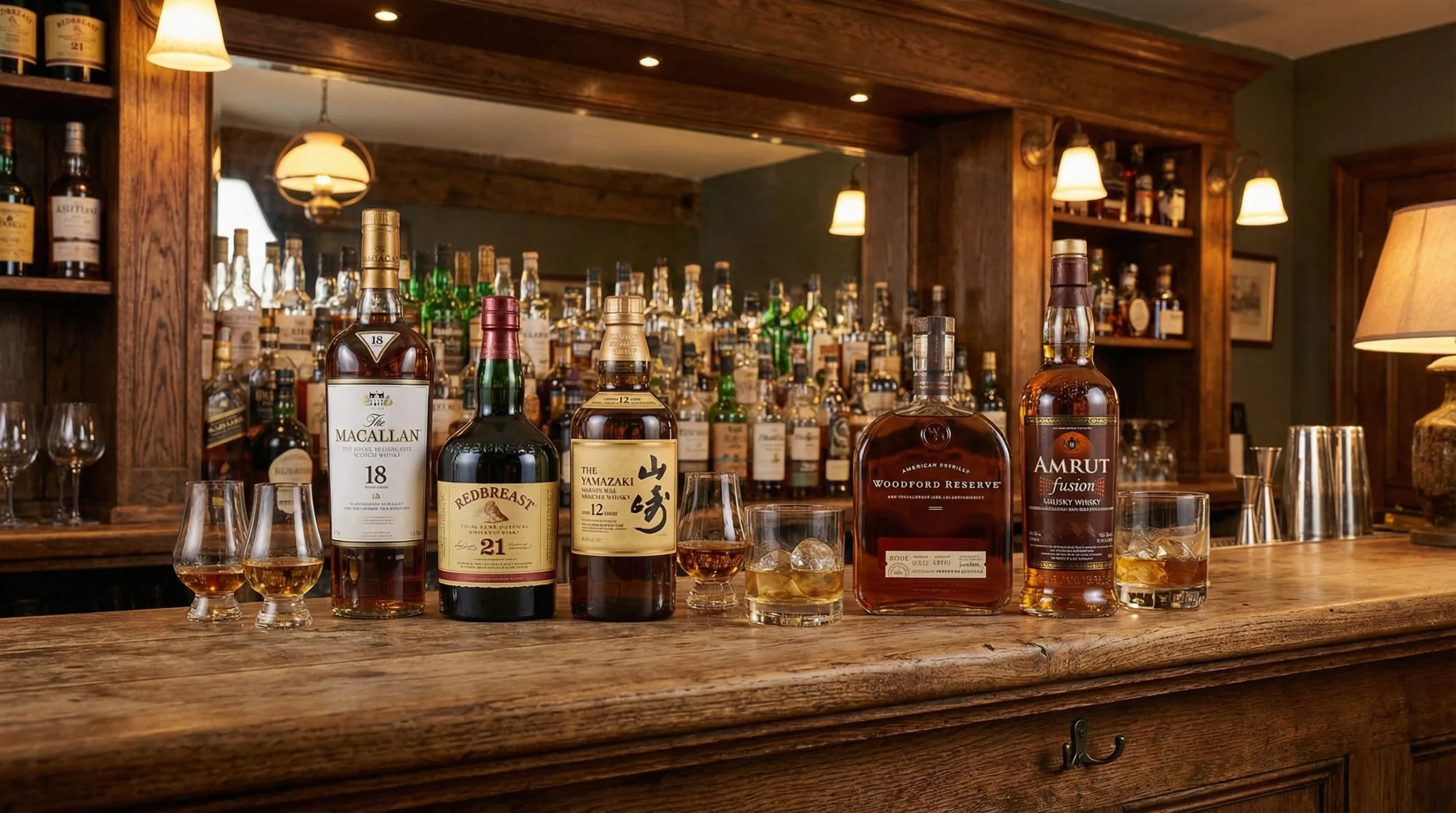
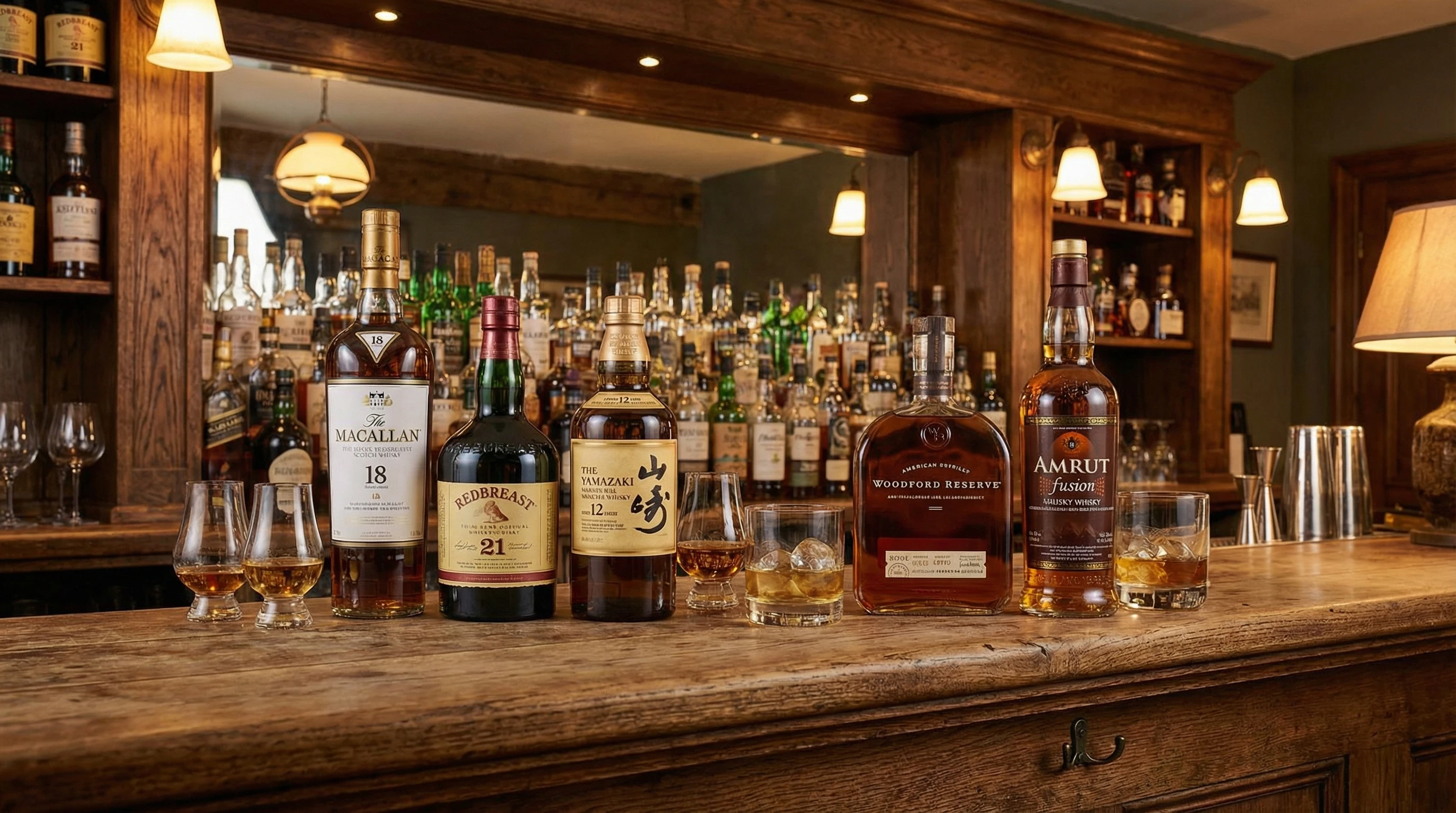
Whisky is a drink that sparks a lot of passion, debates, and curiosity. Whether I’m enjoying a smoky Scotch on a rainy evening or sipping a sweet Bourbon by the fire, there’s always something new to learn about the different styles from around the world. With so many countries putting their own twist on whisky, it’s worth breaking down the unique types that exist, what makes each one special, and how you can spot the differences even before you take your first sip.
What Makes Whisky, Whisky?
Before separating each style, I find it helps to know what whisky actually is. At its core, whisky is a distilled spirit made from fermented grains, usually barley, corn, rye, or wheat, and then aged in wooden barrels for a certain period. Laws in different countries outline how long it needs to be aged and which grains are allowed, which means the process and result can vary quite a lot depending on where it’s made.
The spelling hints at its origin too. “Whisky” is typically used for Scotch, Canadian, and Japanese varieties, while “whiskey” often refers to Irish and American styles. No matter the spelling, each one is the product of centuries of tradition, climate, and local ingredients. That’s what makes exploring whisky such a deep and rewarding rabbit hole.
Scotch Whisky: The Heart of Tradition
When most people think of whisky, Scotland is often the first place that pops up. Scotch whisky has been distilled for hundreds of years and has some pretty strict rules attached to it, thanks to Scottish laws. Here’s what makes Scotch stand out:
- Made in Scotland: By law, Scotch can only be produced and aged in Scotland.
- Aged at least 3 Years: Every single drop must be aged for a minimum of three years in oak barrels.
- Made from Malted Barley or Grains: The classic version is made from only malted barley (Single Malt), while others like blended Scotch include grain whisky.
- Packed with Flavour: From peaty and smoky to fruity and floral, the flavours can swing dramatically depending on the region in Scotland and whether peat is used to dry the barley.
Scotch itself splits into several styles, each with a unique vibe and following:
Single Malt Scotch
This is probably the most celebrated type. Single malt is made from 100% malted barley, water, and yeast, distilled at a single distillery. Each bottle offers a sense of place, reflecting the water, barley, and techniques of that one spot in Scotland. Famous examples include Glenfiddich, The Macallan, and Laphroaig.
Blended Scotch
Blended Scotch makes up most of the whisky sold worldwide. These are made by mixing malt whiskies with grain whiskies from different distilleries. Blended whiskies combine the character of single malts with the lightness of grains. Think of names like Johnnie Walker, Chivas Regal, or Famous Grouse.
Single Grain Scotch
Grain whisky is made using grains other than 100% malted barley, often corn or wheat, and distilled at a single distillery. Single grain isn’t as widely known, but it can be pretty light and approachable for those new to whisky.
Peated vs. Unpeated
The use of peat, a naturally forming fuel from decomposed organic matter, gives some Scotch its signature smoky aroma and flavor. Not every Scotch is peaty, though. Areas like Islay are famous for peat-smoked malts (like Ardbeg), while regions such as Speyside and the Lowlands often turn out softer, fruitier whiskies.
Regions of Scotland
Each Scottish region brings its own vibe:
- Islay: Bold, smoky, and often salty
- Speyside: Fruity, sweet, and elegant
- Highlands: A broad range, from floral to robust
- Lowlands: Light, grassy, and fresh
- Campbeltown: Briny and complex
Tasting across regions gives you a real sense of how much Scotch can vary, even before you factor in the choices each distillery makes.

Irish Whiskey: Smooth and Approachable
Irish whiskey has its own story and style. While it shares some roots with Scotch, Ireland usually takes a craft that results in a smoother, sometimes sweeter sip. Here’s what makes Irish whiskey its own thing:
- Usually Triple Distilled: Most Irish whiskey is distilled three times, delivering a softer texture and cleaner profile compared to many Scotches, which are usually distilled twice.
- Aged in Ireland: It has to be aged at least 3 years in wooden casks, and it must be made in Ireland.
- Broad Ingredient Choices: It can be made from malted and unmalted barley, corn, rye, or wheat. This variety brings in a range of flavours.
- Generally Unpeated: Most Irish whiskey skips the smoky peat, leaning toward lighter, honeyed, and floral notes. There are exceptions, though. Connemara is an Irish whiskey that is peated.
Common types of Irish whiskey you’ll see:
Single Pot Still
This classic Irish style is made with a mix of malted and unmalted barley, distilled in traditional copper pot stills. It has a creamy character you won’t really find elsewhere. Check out Redbreast or Green Spot for a great example.
Single Malt Irish Whiskey
Just like its Scottish cousin, this one uses 100% malted barley, but the triple distillation tends to make it smoother and fruitier. Bushmills 10 Year Old is a good starter.
Blended Irish Whiskey
This is where you’ll find most big brands. Blending single malt or pot still whiskey with grain whiskey creates a mellow, approachable dram. Jameson is the global leader here, but Powers and Bushmills blends are worth checking out too.
American Whiskey: Bold, Sweet, and Distinct
American whiskey covers a ton of ground. From the big, sweet character of Bourbon to spicy Rye, each style is flavoured by its home region and rules laid down by US law. Here’s what I think is worth knowing:
- Bourbon: Made anywhere in the US, but most comes from Kentucky. At least 51% of the mash must be corn. Aged in new, charred oak barrels, giving it notes of vanilla, caramel, and oak. Bourbon can’t have anything added except water.
- Rye Whiskey: Made with at least 51% rye grain. American Rye is usually spicier, with more bite than Bourbon, showing off pepper, baking spice, and citrus notes.
- Tennessee Whiskey: Legally must be made in Tennessee and go through the Lincoln County Process (filtered through charcoal before aging). Think of it as Bourbon with a signature mellow finish; Jack Daniel’s is the big name here.
- Wheat Whiskey: This uses, surprise, at least 51% wheat in the mash, producing a softer, smoother profile with gentle bread and honey flavours.
- Corn Whiskey: Made with at least 80% corn, often unaged or lightly aged, letting the corn’s sweetness really shine through. You might spot this as “white dog” or “moonshine.”
Key Rules for American Whiskey
American law sets clear standards. For Bourbon and Rye, the distillate can’t go into new charred oak barrels at more than 62.5% alcohol by volume (ABV) and must be bottled at a minimum of 40% ABV. Nothing artificial can be added. No colour, no flavouring, just pure barrel-aged spirit (other than a little water).
Regional Differences
Most American whisky comes out of Kentucky and Tennessee, but smaller distilleries across the country are trying new things, adding craft twists or finishing their products in wine and sherry casks for added flavour. There’s even a growing trend for farm-to-bottle distilleries working closely with local grain farmers, aiming for unique regional flavours in each batch. As more American cities and rural areas start producing their own whiskies, you’ll notice a true variety of taste experiences cropping up across the map.
Japanese Whisky: Artful Balance and Precision
Japanese whisky has exploded in popularity, and for good reason. The style borrows a lot from Scottish tradition but comes with its own careful, refined touch. I love how delicate and meticulously crafted these whiskies can be. Here are some things I’ve noticed about Japanese whisky:
- Inspired by Scotland: The founders of Japanese whisky studied in Scotland, and the process sticks pretty close to classic Scotch, especially in the early years.
- Focus on Precision: Japanese distilleries experiment with a wide range of still shapes, fermentation conditions, and cask types to create seriously nuanced whisky.
- Typically Unpeated: Most Japanese whiskies are gentle, floral, and elegantly balanced, but some distilleries use a hint of peat.
- Blending Expertise: Blending is a big part of the tradition. Master blenders layer flavours for depth and harmony. It’s really an art form.
Brands like Yamazaki, Hibiki, Nikka, and Hakushu are now some of the most sought-after names on the planet, and limited editions can sell out in seconds. Japanese whisky often fetches higher prices compared to other whisky regions because of growing demand and smaller batch production, so grabbing a bottle can be a real treat. If you get the chance to taste a Japanese whisky finished in various types of wood (such as Mizunara oak), you’ll stumble upon exciting, deep flavours not found anywhere else.
Canadian Whisky: Smooth, Light, and Versatile
Canadian whisky, sometimes called “rye” because rye was a common grain in the original blends, has a reputation for being smooth, often blended, and easy to mix or sip. Here’s what sets Canadian whisky apart:
- Flexible Mash Bills: Canadian rules are less strict about grains. While rye is classic, corn, barley, and other grains are common.
- Blended Style: Most Canadian whiskies are blends, often mixing light, high-proof base whiskies with a small amount of richer “flavouring” whisky that packs more bite and character.
- Aged at Least 3 Years: Like Scotch and Irish, Canadian whisky has to be aged for three years, generally in oak casks.
- Mild in Flavour: On the palate, these whiskies tend to be soft, a touch sweet, and well suited for cocktails or sipping straight. Canada also allows a small percentage of flavouring or caramel colourings, which keeps the taste consistent but adds some debate among purists.
Classic brands you’ll spot include Crown Royal, Canadian Club, and Forty Creek. Craft distillers are pushing things in new directions, but if you want an approachable, all-occasion whisky, Canadian options are worth having. Canada’s cold climate also gives their whiskies a unique aging environment that many connoisseurs track down just for the difference in taste and smoothness.
Growing Whisky Movements: Wales, England, and Beyond
While Scotland and Ireland have hundreds of years of whisky tradition, Wales and England are home to a true whisky renaissance. Until recently, these countries weren’t big players, but they’re now putting out unique, small-batch releases with a focus on local character and creativity. The community around these distilleries encourages enthusiasts to get involved and help shape modern British whisky’s next stage.
Welsh Whisky
Penderyn is the best-known Welsh distillery, and its approach brings together traditional and modern techniques. Welsh whisky tends to be distilled in unique Faraday stills, giving it a fresh, fruity style with delicate layers of flavour. It’s young on the world stage but gaining popularity fast. Distilleries are starting to emerge in other regions of Wales, each seeking to put their own spin on what Welsh whisky can be.
English Whisky
England’s whisky revival is driven by a handful of passionate, small producers. The English Whisky Co. leads the charge, along with new faces like Cotswolds and Dartmoor. These distilleries bring together tradition and curiosity, and you’ll find anything from classic single malts to interesting finishes in wine or cider barrels. It’s worth exploring if you’re after something off the beaten path, since the flavour profiles are still being shaped by creative experimentation and regional quirks.
Other Countries Joining the Scene
The thirst for whisky is global, and countries like India, Taiwan, France, Australia, and even Israel are making waves. Kavalan from Taiwan and Amrut from India have picked up international awards for their bold, flavourful drams. Climate plays a big part in these whiskies, often speeding up the aging process and ramping up the richness of flavour. Australia’s Starward and France’s Brenne also show how new world distillers aren’t afraid to mix in some variety, taking cues from local wine and culinary traditions. It’s exciting to see fresh approaches and bold flavour combinations popping up outside the classic whisky regions, providing even more options than ever for adventurous drinkers.
How to Spot the Differences: A Quick Guide
It can be a little daunting choosing the right bottle if you’re new to whisky, but knowing a few telltale signs can help you quickly narrow down the style you’re about to taste or buy. Here are a few tips:
- Read the Label: Look for keywords like “single malt,” “blended,” “bourbon,” or “pot still.” They’ll tell you a lot about what’s inside.
- Check the Age: Older isn’t always better, but a stated age lets you know how long it’s been in the barrel.
- Country of Origin: The country listed on the bottle is a big clue to the flavour and style. Each region brings a different twist.
- Alcohol Level: The percentage (ABV) can give you a sense of how intense the flavour or burn might be.
- Colour: Deeper or reddish hues can signal more time in the barrel or the use of heavily charred wood. Watch for added colouring, especially outside Scotland and America.
For a totally hands-on experience, I recommend visiting a whisky tasting room. You’ll get the chance to compare styles and ask questions directly, which really speeds up learning what you enjoy. Joining a local whisky club or attending tasting nights is another fun way to sample multiple types without breaking the bank, and you’ll get to chat with fellow fans who can share their own favourites.
Whisky Tasting 101: Enjoying The Range
Tasting whisky from different regions and traditions can be seriously fun. Here’s a quick way to get started if you’re curious:
- Pick Your Styles: Choose a Scotch, an Irish whiskey, a Bourbon, a Japanese whisky, and maybe a Canadian or a new school option (like Welsh or Indian whisky). No need to buy whole bottles; many shops offer tasting packs or miniatures.
- Use the Right Glass: A tulip-shaped glass concentrates the aromas, which helps you pick out the flavour notes more easily.
- Colour Check: Hold the glass up to the light. The shade can hint at cask type and age.
- Swirl and Sniff: Give it a gentle swirl, then inhale. Can you make out peat, fruit, vanilla, flowers, or spice? Each style usually jumps out here.
- Sip and Savour: Taste with a tiny sip. Notice how the texture and flavours evolve in your mouth. Take notes if that helps lock in the differences.
- Add Water (if you want): A dash of water can open up more delicate flavours, especially in higher-proof bottles.
Rotating through the styles, I’ve found each one changes how I see the next. That’s the fun part. Finding favourite flavours and stumbling upon what you like best, no matter what the “rules” say. Don’t be afraid to jump into styles that are totally new or go back to classics you haven’t tried in a while, since your palate can shift as you try more types.
Things Worth Considering When Exploring World Whiskies
Besides taste, a few practical things come into play when you’re buying or collecting whisky from around the world:
- Price: Bottles from Scotland and Japan can get pricey, especially rare or older expressions. But you’ll find great value in Irish, American, Canadian, and some new world whiskies.
- Availability: Some whiskies, like Japanese single malts, have become so rare that finding them on a shelf is a bonus in itself. On the other hand, American bourbons and Scotch blends are almost always stocked.
- Collecting vs. Drinking: With whisky, some bottles are worth collecting for investment, while others are better for sharing with friends. Collecting can be fun, but part of the joy is actually pouring a glass and enjoying it. Choose which approach suits you—neither is wrong!
- Mixing or Sipping: You don’t have to drink everything neat. Some whiskies, especially Canadian and Irish blends, work great in cocktails or highballs. Bourbon is a base for a classic Old Fashioned, and smoky Scotch can even liven up a whisky sour.
- Storage: Whisky isn’t as sensitive as wine, but keep the bottle upright, out of direct sunlight, and away from wild temperature swings if you want it to taste as intended for years. If you’re truly aging bottles long-term, airtight stoppers or wax seals can help preserve the spirit.
Buying Tips
It helps to keep an open mind as you branch out. Don’t be afraid to try mini bottles or join tasting clubs that let you sample different types before shelling out for a fullsize bottle. Reviews from trusted sources or friends can also help steer you toward a style you’ll enjoy. Remember, your taste preferences might change over time—sometimes bottles that didn’t wow you at first will become favorites.
Frequently Asked Questions
Question: What’s the best type of whisky for beginners?
Answer: If you’re just starting out, I usually suggest Irish whiskey or Canadian blends because they tend to be smooth and easy to drink. For something with more flavour, a classic Speyside single malt from Scotland, or a soft Bourbon from Kentucky, is also pretty approachable.
Question: Is there a difference between whiskey and whisky?
Answer: The main difference is spelling. “Whisky” is used by Scotland, Canada, and Japan, while “whiskey” is used by Ireland and the United States. The spelling doesn’t affect the flavour, but it’s a useful hint to the country of origin.
Question: Do older whiskies always taste better?
Answer: Not always. Age can add complexity, but sometimes older whiskies lose fruity notes and get over-oaked. Younger whiskies can be lively and fresh. It really comes down to your taste preference, so it’s worth trying a few ages to see what you enjoy.
Question: Are there rules for what grains go into whisky?
Answer: It depends on the region. Scotch single malts use malted barley, Bourbon uses mostly corn, Rye U.S. has at least 51% rye, and Irish whiskey can mix malted and unmalted barley. Different combinations create different flavours—exploring them is half the fun.
Final Thoughts
Getting to know the different types of whisky opens up a world of flavours, stories, and traditions. Each style, from smoky Islay Scotch to sweet Kentucky Bourbon to delicate Japanese blends, brings something unique. If you’re curious, trying bottles from several countries side by side is a great way to find your preferences and make every tasting a learning experience. No matter where you start, there’s always more to track down in the whisky world. Jump in, have fun, and enjoy sharing your own discoveries with fellow whisky lovers.
Cheers to enjoying and exploring all the flavours out there!
Slàinte
Tony

My name is Tony and I’m the creator of The Whisky Shed, a place where good drams meet good stories. From tasting notes to deep dives into distillery history, I share honest, approachable whisky knowledge for anyone who loves a great pour. Whether you’re exploring your first bottle or expanding a growing collection, my goal is to make whisky simple, enjoyable, and worth raising a glass to. Slàinte 🥃