
Queen Victoria’s influence on Scotch whisky has long been a topic of fascination for enthusiasts and historians alike. The regal patronage of the queen not only added a touch of sophistication, but it also played a part in boosting whisky’s profile among the British upper class. Her endorsement helped level up the reputation of the spirit and solidified its status as a luxury product in an era defined by elegance and refinement.
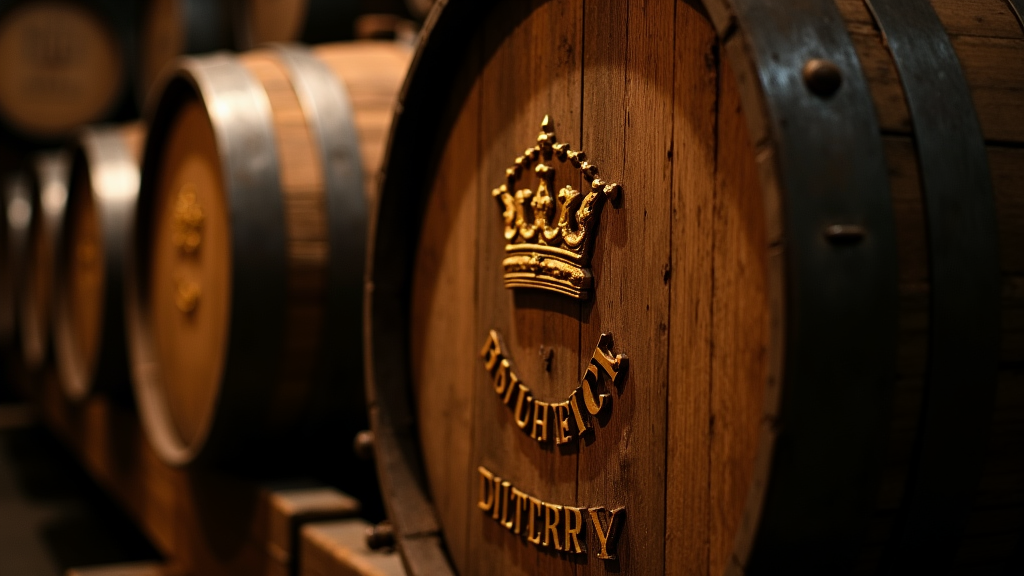
The Royal Seal and Its Impact on Whisky Tradition
The introduction of the royal seal is more than just an ornamental design. It symbolizes a commitment to quality and tradition. When Queen Victoria took an interest in Scotch whisky, her support signified that the product had reached a level worthy of the royal family. Many distillers found renewed energy to innovate by aligning their practices with standards that resonated with the elite.
This influence translated into tangible changes. Distillers began to carefully assess their production methods and ingredients. The royal patronage reinforced the importance of meticulous craftsmanship and consistency, ensuring that whisky was not only a commodity but a craft steeped in history and care. The royal seal quickly became synonymous with honesty, reliability, and excellence, setting a benchmark that distillers strove to match with every batch.
Queen Victoria’s Patronage and Its Ripple Effects
Queen Victoria was known for her refined taste, influencing popular preferences in various areas. Her endorsement helped whisky move from a simple local drink to a beverage admired by the upper echelons of society. This change in public perception had far-reaching consequences, both in terms of market demand and production standards.
During her reign, whisky distillers felt a responsibility to ensure that each batch embodied loyal craftsmanship, as even a single bad batch could tarnish the royal approval. The switch in expectations soon meant that whisky production saw improvements in storage techniques, aging processes, and even the overall presentation of the product. This cultural transformation was gradual, yet unmistakable, as whisky slowly became associated with prestige and quality.
A Brief Guide to Achieving Royal Quality Whisky
The adventure from raw ingredients to a bottle that meets royal standards involves several very important steps. Understanding these key aspects helps clear things up about both the production process and the changes shaped by Queen Victoria’s influence. Here is a guide to some pivotal elements:
- Source and Selection: The choice of barley, water, and other ingredients is vital. The raw materials must be of exceptional quality right from the start.
- Fermentation and Distillation: The fermentation process was refined alongside improved distillation techniques to produce a purer spirit.
- Aging and Storage: Special attention was given to aging whisky in oak barrels. The environment in which whisky is stored plays a very important role in its final flavor profile.
- Quality Control: Tasting panels and regular monitoring became more common, ensuring every bottle met the desired standards before reaching the market.
- Presentation and Branding: Packaging and labeling began reflecting the royal association, which helped level up whisky’s status among consumers.
Each step in the process receives careful consideration, and the detailed attention to quality control remains an essential part of whisky production to this day.
Key Considerations for Distillers Embracing Royal Standards
Transitioning from local production practices to those befitting a royal seal required significant adjustments. Distillers had to navigate a variety of challenges, always striving to balance tradition with new ideas. Here, I outline a few factors that have shaped quality whisky production through the ages.
- Ingredient Quality: Consistency starts with sourcing the best barley and water. The natural characteristics of these ingredients are pivotal to the final profile of the whisky.
- Aging Process: The careful selection of casks, whether old oak or new charred barrels, influences flavor depth. Many distillers experimented with different barrel types to achieve the best results.
- Innovative Distillation Methods: Advances in technology during the Victorian era allowed for more precise distillation methods. This step was key to reducing impurities and giving a boost to flavor clarity.
- Adaptability to Market Trends: The switch in consumer preferences due to royal endorsement meant that distillers continually updated their recipes to meet these high expectations.
Ingredient Quality
High-quality ingredients are the starting point for any great whisky. Distillers began to focus more on the purity of their water and the quality of the barley. This focus helped ensure that every bottle exuded a strength of character that mirrored the demands of refined tastes.
Aging Process
A very important phase in whisky production is aging. Recognizing this, many distilleries experimented with new types of barrels and aging environments. Their goal was to achieve a smooth, mature flavor capable of satisfying the discerning palates of society’s elite.
Innovative Distillation Methods
New techniques in distillation emerged as a response to increased competition and the need for reliability. Advances in still design and temperature control allowed for a spirit that was both pure and complex, meeting a higher standard of quality while giving a boost to flavor clarity.
Market Adaptability
By conducting proactive market research, distillers began to adjust their production to meet the new royal standards. This adaptability extended not just to the product itself, but also to its branding, ensuring that whisky was viewed as a premium beverage in the emerging luxury market.
Legacy and Future Outlook
The impact of Queen Victoria’s stamp of approval continues to resonate far beyond her era, and today’s distillers strive to keep that spirit alive while mixing in modern techniques. In modern times, traditional methods often blend with brilliant new technology to maintain the authentic taste that whisky lovers expect. Producers are now placing a renewed emphasis on sustainability, quality control, and experimental flavor profiles while staying true to their royal-inspired legacy. By tapping into cutting-edge equipment and time-honored traditions, many distilleries are achieving a balance that appeals to both conservative enthusiasts and new-age consumers. This dynamic mix of old and new not only cements the historical significance of whisky but also paves the way for innovative practices that respect heritage. As the market continues to grow, distillers are investing in research, modernizing their processes, and nurturing a cross-generational appreciation for the craft. The ongoing commitment to high standards and creative adaptation ensures that the royal influence is never lost and always inspires a fresh perspective on an age-old craft.
Fundamental Elements for Distinctive Whisky Production
Just as a photographer needs the right equipment, a distiller’s success depends on mastering the core elements of whisky production. Here are some of the foundational aspects that continue to guide the craft today:
- Pure Ingredients: Sourcing the best water and barley is fundamental. The natural resources contribute significantly to the distinctive taste of the final product.
- Distillation Process: A careful and precise distillation process influences both flavor and clarity. While techniques continue to evolve, the core principles remain deeply rooted in tradition.
- Aging Techniques: Aging is not merely a waiting game. The environment, the type of cask, and the duration all affect the spirit’s complexity and smoothness in very important ways.
- Quality Assurance: Regular tasting sessions and rigorous checks ensure that every batch meets expected standards. Consistency is as important as the drive for innovation.
- Presentation: The way whisky is bottled and labeled now often reflects its royal heritage, blending history with modern design to appeal to discerning consumers.
These elements combine to form the foundation of a product that is both authentic and appealing to those who value tradition and excellence.
Frequently Asked Questions
Here are some common questions about the influence of Queen Victoria on whisky production:
Question: How did Queen Victoria’s patronage change whisky production?
Answer: Her support encouraged distillers to focus on quality by refining production methods, improving aging techniques, and adopting better storage practices. The royal seal became a benchmark for excellence.
Question: Why is the royal seal significant for whisky branding?
Answer: The royal seal is a symbol of reliability and refinement. It helped consumers associate whisky with high standards and luxury, which in turn increased its appeal among the upper class.
Question: Are modern production methods still influenced by Victorian practices?
Answer: Yes, many distilleries continue to honor traditional methods while blending them with modern technology. This mix helps maintain a product that respects its heritage while meeting current quality standards.
Question: What makes the aging process so important in whisky production?
Answer: Aging in carefully selected barrels develops complex flavors and a smoother texture. Environmental factors and the intrinsic qualities of the cask play very important roles in defining the spirit’s character.
Conclusion
The legacy of Queen Victoria’s patronage continues to shape the whisky industry. Her endorsement not only boosted the reputation of Scotch whisky but also set a higher benchmark for production and presentation. Today, every bottle that carries echoes of that royal approval serves as a reminder of the enduring commitment to quality and tradition.
Whisky, imbued with a rich history and refined by royal influence, continues to win over enthusiasts with its depth and character. For distillers, the royal seal is more than a legacy. It is a call to uphold standards that have been cherished for generations. With modern innovations coexisting alongside traditional practices, the impact of Queen Victoria remains as relevant now as it was in her time, driving the spirit to greater heights of excellence and appreciation.
Let’s all raise a glass to Queen Victoria
Thanks for reading
Tony

My name is Tony and I’m the creator of The Whisky Shed, a place where good drams meet good stories. From tasting notes to deep dives into distillery history, I share honest, approachable whisky knowledge for anyone who loves a great pour. Whether you’re exploring your first bottle or expanding a growing collection, my goal is to make whisky simple, enjoyable, and worth raising a glass to. Slàinte 🥃