Whisky and bourbon. These names often pop up as drink choices, but ever wonder what’s the story behind them? They’re more than just drinks. With roots steeped in history, these spirits offer a gateway into rich cultural traditions that have been passed down through generations.
Imagine sitting by a warm fire, savoring either a whisky or a bourbon, taking a sip, and letting the depth of flavors transport you to another time and place. That’s what these spirits can do when you truly get to know them. From the highlands of Scotland to the hills of Kentucky, each has its own unique tale to tell.
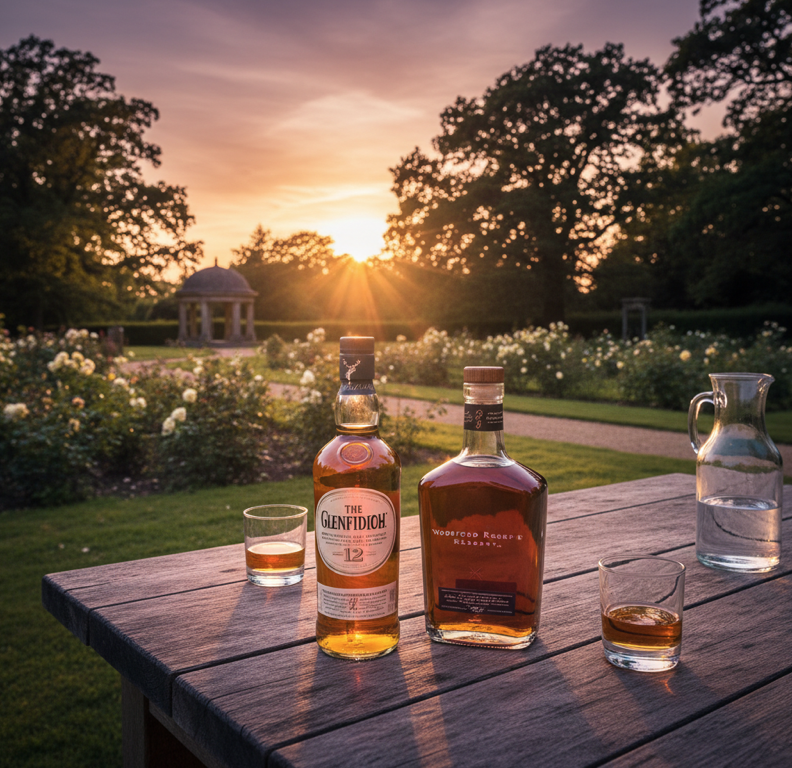
Understanding what makes each unique can feel like untangling a web of information, but it’s all about connecting the dots. Whisky, with its global presence, brings to the table a variety of flavors depending on where it’s made. Bourbon, on the other hand, stands as a proud American creation, with strict rules governing what can bear its name.
Clearing up common mix-ups starts with knowing that not all whiskies are bourbon, but all bourbons are whisky. It’s like bourbon is the cool cousin who comes to the family BBQ from another state – part of the family but with its own flair.
In this section, I’ll help you get past the buzzwords and into why understanding these spirits is a thrilling journey through history and culture. Unraveling the differences doesn’t just boost your knowledge, it turns the act of choosing your next glass into a personal adventure.
Defining the Spirits: The Essence of Whisky
Whisky isn’t just a word on a bottle; it’s an invitation to explore a world of diverse flavors and traditions that vary from one country to the next. From the smooth, smoky notes of Scotch hailing from Scotland to the sweet character of Irish whiskey, each sip tells a story steeped in local culture and customs.
Crafting whisky is an art, shaped by centuries of tradition. At its core, whisky is all about the grains. Barley, rye, and corn take the stage, offering different nuances with each variation. Water, yeast, and time play crucial roles too. It’s this magical process – turning humble ingredients into a complex spirit through distillation and aging – that captures so many enthusiasts’ attention.
How a whisky tastes isn’t just about its ingredients. The type of casks used for aging, whether they’re made from oak or have previously held another alcohol like sherry or bourbon, can add even more layers to its flavor.
Recognizing these differences enhances your tasting experience. Instead of viewing it as just a drink, think of whisky as an opportunity to travel through taste, exploring distilleries around the globe from the comfort of your glass.
Whether you’re just starting out or you’ve been sipping your way through the whisky world for years, remember that each pour offers a new chapter in your personal exploration of this iconic spirit.
Bourbon Unveiled: American Spirit with Strict Standards
Bourbon carries a badge of American pride, a liquid symbol of craftsmanship born in the United States. It’s like the iconic cowboy of the whisky family, with roots deeply embedded in American soil, specifically Kentucky, where it champions its distinct character.
To slap the label ‘bourbon’ on a bottle isn’t a free-for-all. It’s gotta meet some pretty tight rules. Legally, bourbon must be produced in the U.S. and, most importantly, made from a grain mix that’s at least 51% corn. This corn-heavy recipe gives bourbon its signature sweet, smooth flavor.
Then you have the barrels—new charred oak is the only way for bourbon. This requirement isn’t just a quirky rule; it’s what gives bourbon its unique caramel and vanilla notes, transforming the spirit over time as it ages and develops.
Another defining trait? Bourbon must be distilled to no more than 160 proof and put into barrels at a maximum of 125 proof. These rules ensure that the whiskey maintains its richness without losing too much of its natural flavor during the production process.
Think of bourbon as one of America’s contributions to global whisky culture. It’s a testament to tradition with its own set of rules that make it truly unique. Whether you’re a fan or a newbie, uncovering bourbon’s distinct characteristics is a rewarding dive into America’s spirited heritage.
Contrasting Characters: Key Differences Between Whisky and Bourbon
Whisky and bourbon may share the same family name, but their differences are the highlights of their personal stories. The main separator? It often comes down to ingredients and roots. While whisky offers a broader umbrella over spirits made from a variety of grains—sometimes a back-and-forth of barley, rye, and a little corn—bourbon takes its stand firmly with its corn-dominant recipe.
Geography plays a huge role, too. Whisky boasts an international flair, ranging from Scotland and Ireland to Japan and beyond. Bourbon proudly stays American, with its heritage and creation rules cemented in the U.S., much like a comforting hometown hero.
Even in the maturing details, these liquors walk their paths. Whisky can be aged in used barrels, which allows a touch of flexibility in flavor development. Bourbon, though, takes on a purist approach with mandated new charred oak barrels, adding a unique boldness to its profile.
When it comes to flavors, whisky dances between earthy, smoky, or fruity, leaning heavily on where it was crafted and aged. Bourbon, with its sweet baseline, often carries hints of oak, vanilla, and caramel—like a rich dessert in a glass.
For those learning to appreciate the differences, the choice might come down to personal taste and experience preference. Are you called towards the versatile flavor journey of whisky, or does the bold yet sweet comfort of bourbon entice you more? Whichever you choose, knowing these subtle differences makes the experience all the more personal and informed.
Navigating the Nuances: How to Appreciate and Choose Between Whisky and Bourbon
Exploring whisky and bourbon can feel like stepping into a treasure trove of flavors and aromas, each bottle offering its unique tale. So how do you navigate these choices to find your perfect pour? Developing a tasting skill set is a great start. Don’t be rushed; take time to notice the scent before you sip—a mini aroma test if you will. Does it hint at smoke or sweets? Is there a spicy zing or a mellow smoothness?
Pairing your chosen spirit with food can elevate the whole experience. Whisky often pairs beautifully with smoked meats or even complex cheeses, adding depth without overpowering flavors. Bourbon, thanks to its sweet notes, can complement barbecue dishes or be the perfect end to a rich dessert.
When shopping for a bottle, don’t just grab whatever’s closest. Check for labels detailing the cask aging process or grain content. These give clues to potential flavors sitting in that bottle. A little research goes a long way in picking a quality choice that matches your preferences.
For those new to whisky and bourbon, sampling different styles can also highlight personal tastes. Start with tastes you’re curious about, maybe something you spotted at a friend’s gathering and were tempted to try. Or, maybe catch recommendations from seasoned enthusiasts who’ll have tales of their own to share.
Remember, whisky and bourbon aren’t just about the drink itself—they’re about connection, culture, and creating lasting memories over a shared bottle. This journey is personal, but the enjoyment and learning are what truly make it worthwhile.
Thanks for reading What Is The Difference Between Whisky And Bourbon?
Until next time, Slàinte
Tony

My name is Tony and I’m the creator of The Whisky Shed, a place where good drams meet good stories. From tasting notes to deep dives into distillery history, I share honest, approachable whisky knowledge for anyone who loves a great pour. Whether you’re exploring your first bottle or expanding a growing collection, my goal is to make whisky simple, enjoyable, and worth raising a glass to. Slàinte 🥃