
No Age Statement (NAS) whisky is one of those topics that comes up a lot in whisky circles, especially as more bottles labeled without an age hit the shelves. If the world of whisky feels confusing with all the labels, ages, and terms, you’re definitely not alone. Here’s my take on what NAS whisky really means, how it stacks up against age statement bottles, and why there’s so much buzz around it in the whisky world.
Understanding No Age Statement Whisky
If you’ve ever checked out a whisky bottle and noticed it doesn’t say how many years it spent aging, chances are it’s a NAS whisky. “No Age Statement” just means the bottle doesn’t declare the age of the youngest whisky inside. Unlike those classic bottles that announce, say, “12 Years Old,” these keep the age under wraps.
This doesn’t mean it’s all young whisky in there. Sometimes distilleries use a mix of older and younger spirits, focusing more on taste than age. That flexibility lets whisky makers play around and create totally new flavour experiences—sometimes even breaking the mold of what you expect in a particular distillery’s lineup.
Why Are Distilleries Making More NAS Whisky?
The big switch up toward no age statement bottles really picked up in the last couple of decades. There are a few reasons for the growing trend:
- Popularity of whisky is rising fast. Demand from all over the world, especially in places like Asia and the U.S., means distilleries sometimes run low on older stocks.
- Creative blending gets easier. Without sticking to a specific age, whisky makers can mix different ages, wood finishes, and cask types, giving them freedom to surprise fans.
- Shorter aging helps meet demand. Whisky doesn’t have to sit in barrels as long, so distilleries can bottle more whisky and keep shelves stocked.
This approach lets distilleries show off different sides of their house style, stepping away from a strict focus on age.

How NAS Whisky Differs from Age Statement Whisky
There’s plenty of debate on whether NAS whisky can hold its own against classic age statement bottles. Here’s the breakdown that I’ve noticed after sampling quite a few:
- Flavour: Without a strict age, flavour becomes the star. Some NAS whiskies taste fresh and bold, others lean into smoky or sherried flavours with rich depth.
- Consistency: Some drinkers feel age statement whiskies are more consistent, but NAS gives blenders freedom to adjust batches based on what casks are tasting best right now.
- Price: Often, NAS bottlings show up at a lower price than similarly branded age statement bottles, though there are definitely premium-priced NAS options out there.
I’ve enjoyed NAS whiskies that are super lively and bright—great for cocktails—or those that punch above their weight in complexity, rivaling some older drams. In blind tastings, NAS bottles sometimes catch folks off guard with impressive quality for the price.
The Art of Blending: How NAS Whisky Is Made
NAS whisky isn’t about cutting corners. It’s about flexibility and creativity. Master blenders select casks of varying ages and profiles, sometimes including a good amount of older whisky to add richness and roundness.
Sometimes a NAS whisky comes from a single distillery (a single malt or single grain), and other times it might be a blend from several places. What ties them together is the taste the blender aims for, not the number on a label. The focus mixes tradition with thinking outside the box, allowing fresh flavours and styles to shine.
In some cases, distilleries experiment with cask finishes—like extra time in sherry, rum, or port barrels—which boosts complexity and creates fresh expressions you might not stumble upon in older, traditional releases. This freedom encourages distillers to mix together whiskies of different types, delivering unique profiles in every batch. That flexibility makes NAS releases some of the most eye-catching choices for adventurous whisky fans.
Popular NAS Whiskies Worth Trying
If you ask me, trying out NAS whiskies is a fun way to explore styles that don’t fit the standard “aged X years” mold. Some really well-known NAS bottles include:
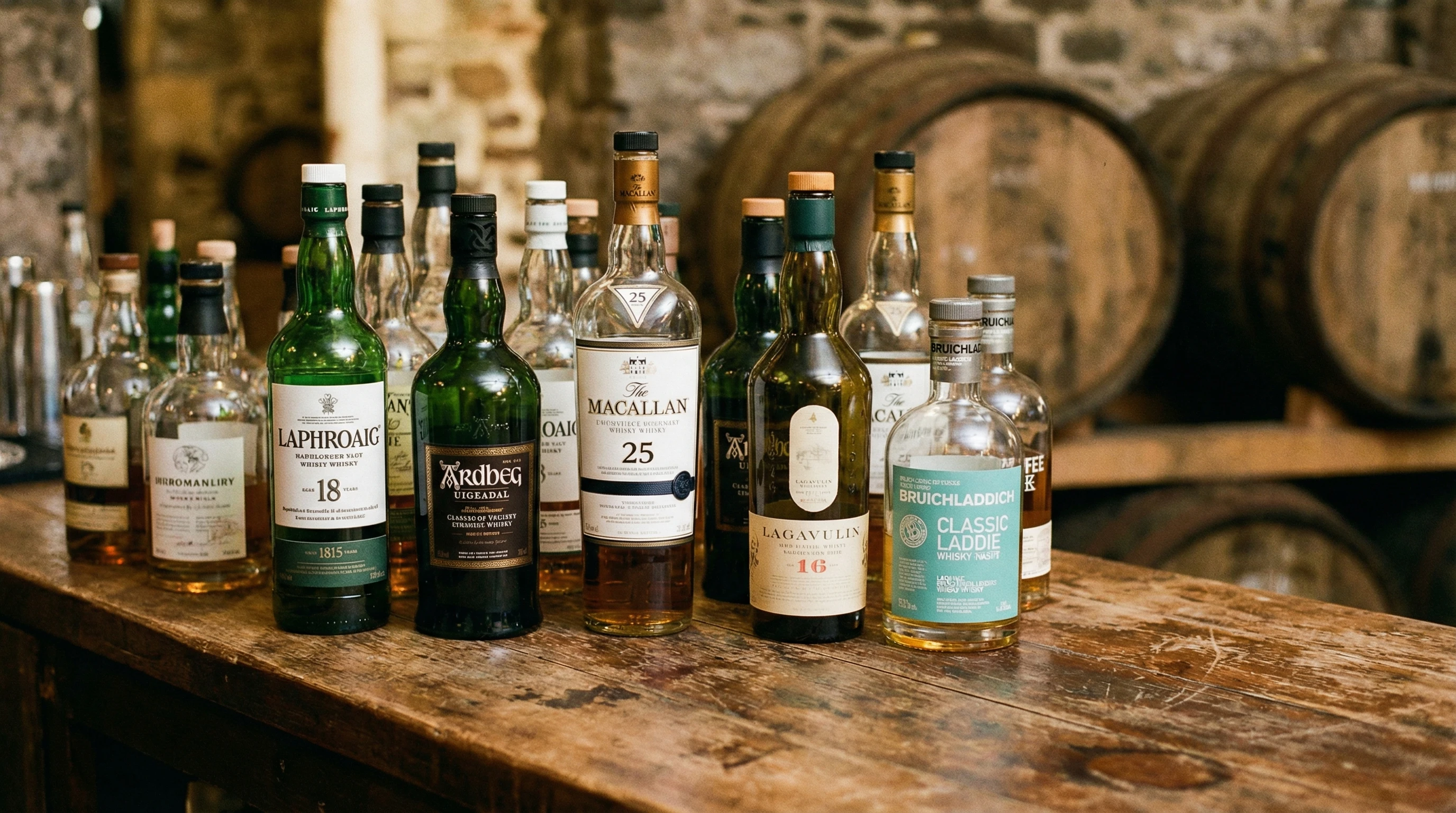
- Ardbeg Uigeadail: Combines smoky peat with sweet sherry notes; a big favorite among smoky whisky lovers.
- Aberlour A’Bunadh: Sherry bomb fans should check this one out; strong and powerful, with no age number but lots of depth.
- Glenmorangie Signet: Uses extraroasted barley for a unique chocolatey profile.
- Highland Park Dark Origins: Brings more sherry influence and a richer mouthfeel.
- Lagavulin 8: While technically carrying an age, this bottle shows what a younger, highquality Islay whisky can taste like when expertly blended. It provides a contrast to older entries in the Lagavulin line.
Many distilleries, from household names to up and coming craft producers, have jumped on this style, so there’s a huge range worth exploring. If you’re passionate about unique flavour profiles, you can easily stumble upon a NAS whisky that stands out as a favorite.
Common Myths About NAS Whisky
There are a few persistent misconceptions about no age statement bottles that shaped how people view these whiskies. Here are some I hear a lot:
- Myth: “NAS whisky is always young whisky.”
Reality: Sometimes, but not always. Blenders often add older casks for extra character. The label just doesn’t reveal the complete age picture. - Myth: “You can’t trust the quality without an age on the label.”
Reality: Plenty of NAS whiskies win awards and get high marks from critics and enthusiasts alike. - Myth: “NAS is a way to trick buyers.”
Reality: It can be about meeting demand, but it also gives whisky makers freedom to experiment and step up creativity.
My own experiences back this up—I’ve had both underwhelming and outstanding NAS bottles, just like with age statement whisky. Tasting and exploring bottles, rather than relying on age alone, is usually the best way to find what suits your palate.
How to Choose a NAS Whisky
Picking whisky with no age statement might feel risky, especially for folks used to labels like “18 Years Old.” A little know-how goes a long way here. My approach usually involves:
- Checking reviews online or on whisky forums for honest opinions.
- Trying samples at tastings, bars, or specialized shops before committing to a bottle.
- Sticking with brands (or even distilleries) I know and enjoy when testing out their NAS releases.
A bit of research and some adventurous tasting usually pay off. Many specialty shops offer sample-sized bottles, letting you try a few without spending too much. If you join a tasting club or attend whisky festivals, you can sample side-by-side and get a feel for the types of NAS releases you like most.

What to Look Out for When Buying NAS Whisky
Buying whisky—whether NAS or not—gets easier with a few pointers in mind. Here’s what I always keep an eye on:
- Distillery Reputation: Some distilleries put just as much care and craft into their NAS releases as their age statements. Reputation can be a great guide.
- Batch Numbers: Some NAS whiskies (like Aberlour A’Bunadh) release in batches. Flavours may shift a bit from batch to batch, making each one pretty unique. It’s handy to jot down batch numbers and tasting notes if you find a version you love.
- Alcohol Strength: Many NAS whiskies are bottled at higher proof (cask strength or close to it), giving more intensity and flavour. This boosts the experience for drinkers who like bolder drams.
- Finish Type: Pay attention to words like “sherry matured,” “port finish,” or “heavily peated.” These cask details offer hints at the profile inside and can play a big role in the flavour.
Reading labels carefully and paying attention to tasting notes usually helps narrow down choices and ensure you end up with a bottle that fits your preferences.
Frequently Asked Questions About NAS Whisky
Here are a few of the questions I often get from fellow whisky fans and friends:
Question: Can a NAS whisky still be high quality?
Answer: Absolutely. Some of my personal favourites have no age on the label at all. Blenders can craft complex flavours by mixing younger and older whisky for depth and balance.
Question: Will I be able to tell it’s younger by taste?
Answer: Sometimes, a younger spirit comes through as more vibrant, hot, or grainy. But skilled blending often softens those sharp notes, and finishes in special casks add plenty of flavour and complexity.
Question: Are NAS whiskies a good place to start for beginners?
Answer: NAS bottles can be a great way to stumble upon affordable or unique styles without the premium of aged whisky. Reading reviews and trusting your own taste are always helpful steps in starting out.
Final Thoughts
No Age Statement whisky is now a big part of the modern whisky landscape. It brings more choices, newer styles, and fresh ideas to the table. The label shouldn’t turn anyone off; a lot of the fun comes from stumbling upon a bottle you like, regardless of the number on the front. Whether you’re new to whisky or adding something fresh to your home bar, NAS whisky serves up plenty to explore and enjoy.
The wide range of flavours, cask finishes, and price points out there means there’s probably a NAS bottle that fits your taste. Dig in, sample a few, and keep an open mind. The best whisky might just be one you haven’t tried yet, age statement or not. Remember: whisky is about taste, enjoyment, and exploration—age is just one small piece of the puzzle.
until next time,
Slàinte
Tony

My name is Tony and I’m the creator of The Whisky Shed, a place where good drams meet good stories. From tasting notes to deep dives into distillery history, I share honest, approachable whisky knowledge for anyone who loves a great pour. Whether you’re exploring your first bottle or expanding a growing collection, my goal is to make whisky simple, enjoyable, and worth raising a glass to. Slàinte 🥃