“There is no bad whiskey. There are only some whiskeys that aren’t as good as others.”
Raymond Chandler
Whisky’s exact origins are shrouded in mystery, but its roots can be traced back to ancient distillation practices in Egypt, Mesopotamia, and Greece. However, it wasn’t until medieval monks in Ireland and Scotland adapted these techniques to local ingredients like barley that whisky as we know it began to take shape. While both countries claim to have been the first to distill whisky, its true birthplace remains a subject of ongoing debate.
Introduction: The Mysterious Beginnings
Whisky’s origins can be traced back to over a thousand years, evolving from ancient monks’ distillation practices, with each sip carrying the weight of medieval alchemy, clandestine rebellions and centuries of craftsmanship passed through generations. The history of whisky is an extremely intriguing subject indeed and one that deserves to be told.
The exact origins of whisky are shrouded in mystery, a secret that has never been truly uncovered. There are so many different cultures that have contributed to the development of whisky that some of it has been lost in the sands of time.
This article is going to explore whisky origins from the earliest mentions of this glorious spirit to ancient whisky traditions. I’m going to cover the distillation process and how it spread across cultures and countries. In short, we are going to unravel the history of whisky and the mysteries of its origins.

The Origins of Distillation
Distillation in Ancient Civilisations
Early forms of distillation have been discovered in ancient Egypt, Mesopotamia and Greece although, these ancient distillation forms were originally developed for purposes other than drinking spirits. They did, however, lay the foundation for alcohol production later on.
The Egyptians started to use distillation techniques around 3000 BCE, mainly to extract essential oils for perfumes, medicine and embalming rather than for alcoholic beverages. They would heat substances to release their volatile components, which were collected through rudimentary condensation methods.
In Mesopotamia, evidence suggests that similar distillation processes were used to produce medicinal tinctures. Their alchemists experimented with refining liquids by separating substances based on their boiling points.
Ancient Greece expanded on this knowledge, with scholars like Aristotle describing processes resembling distillation, primarily for producing medicines or purifying water. Zosimus of Panopolis, the Greek philosopher, provided what is understood to be the earliest known written explanation of true distillation.
Although they weren’t distilling alcohol for drinking, these cultures developed essential techniques of separating and concentrating liquids. This practice would later be applied by medieval monks and distillers to create spirits.
While whisky itself wouldn’t emerge until centuries later, these early distillation experiments formed the bedrock of knowledge that would eventually lead to the production of alcohol in the Middle Ages, marking the beginning of whisky’s early development.
The Alchemists Role
The Middle East is where alchemists played a pivotal role in refining the distillation process, which would ultimately lead to the creation of “aqua vitae” (Latin for “water of life), a direct ancestor of whisky.
During the 8th to 10th centuries, Persian scholars such as Jabir ibn Hayyan (Geber) significantly advanced the ancient distillation techniques that had been practiced in Egypt and Greece. Jabir’s invention of the alembic still, a device designed to better control the distillation process, allowed for more efficient separation of liquids based on their boiling points.
Now, these alchemists initially used distillation to create medicinal and chemical substances but, as their methods changed and improved, they began to produce ethanol through the distillation of fermented liquids. This produced “al-kohl” (from which the word alcohol is derived), and it became known for its medicinal properties.
Spread to Europe
By the 12th century these techniques had spread to Europe and distillers began applying these methods to create spirits like “aqua vitae”, which was believed to have healing properties and was consumed for medicinal purposes. You often hear people asking for a “tot” of rum or whisky for medicinal purposes even today!
This clear, potent liquid, distilled from grains or fruit, laid the foundations for modern spirits. As the technique of distilling alcohol spread to the Celtic regions of Ireland and Scotland, it was adapted to local ingredients such as barley. This led to the creation of whisky, the “water of life”, known in Gaelic as “uisge beatha”.
The Role of Monks in Whisky’s Development
Monasteries as Early Distillers
Monasteries were centres of learning and innovation throughout medieval Europe, particularly when it came to agriculture, brewing and distillation. The monks in Ireland and Scotland took what they learnt about distillation from the Middle East scholars, preserved and advanced the techniques before refining the processes for medicinal and spiritual purposes.
Monks were well known for brewing beer and they viewed the practice of distillation as an extension of their brewing activities, which were already common in monasteries throughout Europe. It was in Ireland and Scotland where the monks began distilling a form of “aqua vitae” which was, as I have mentioned before, intended for medicinal use. I guess you could call it medicinal whisky and to be fair, I call it that myself!!
Aqua Vitae to Whisky
The term “aqua vitae” appears frequently in medieval texts and was used to describe a variety of distilled spirits thought to have healing properties. Monks produced aqua vitae not just as a beverage but as a tonic for a range of ailments. It was believed to cure colds, alleviate digestive issues, and even act as a remedy for melancholy. While it was primarily used as medicine, aqua vitae began to find a place in more social and celebratory contexts within the monastic communities.
The distillation process allowed the monks to produce a more potent and stable drink than traditional brewed beer or wine, which would spoil more quickly. While early versions of whisky were likely crude and harsh by today’s standards, the monks’ innovations laid the foundation for the development of smoother and more refined spirits.
Monastic Influence
The monks’ production of distilled spirits didn’t stay within the walls of the monasteries for long. Over time, local farmers and villagers learned distillation techniques from the monks, beginning to make their own versions of aqua vitae. As whisky production spread, it began to evolve into a drink enjoyed not just for its medicinal properties, but for its taste and warming effects, especially in the cold climates of Ireland and Scotland.
By the 15th century, whisky had become more widely known and appreciated, moving out of monasteries and into the homes of common people and noblemen alike. Its reputation grew further when it was used for celebrations and rituals, a tradition that still persists in Celtic cultures today.
Ireland vs Scotland: Who Made Whisky First?
Ireland’s Claim
The Irish lay claim to being the first whisky distillers and there is some evidence to back them up. As we know from what has already been mentioned above, the process and art of distillation spread to Europe and the Irish cite evidence of using distillation techniques in the 12th century by the Irish monks.
The oldest known documented record of whiskey in Ireland appeared in the year 1405. It comes from the Annals of Clonmacnoise where it was written that the head of a clan died after “taking a surfeit of aqua vitae” at Christmas.
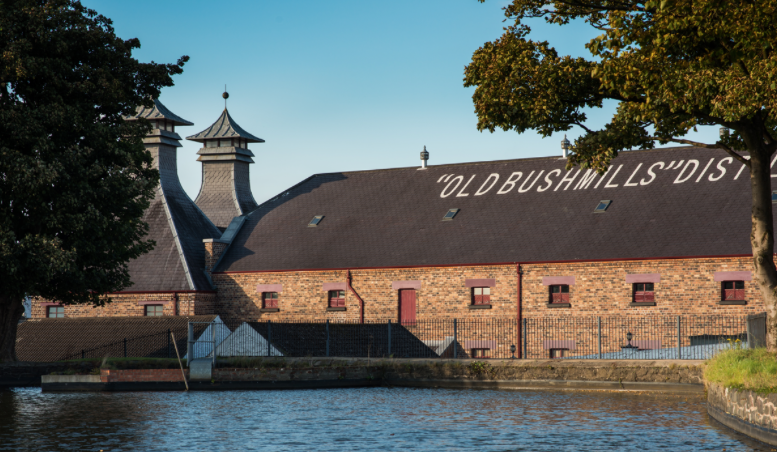
One thing that is beyond question is that the oldest working distillery can be found in Northern Ireland. Bushmills was granted a licence to distill in 1608 in Co. Antrim and they are still making their whiskey in the same distillery.
Scotlands Claim
The earliest recorded mention of whisky in Scotland came in 1494. It was written in the tax records of the day, known as the Exchequer Rolls and it said “Eight bolls of malt to Friar John Cor wherewith to make aqua vitae.”
Scotch whisky was fast becoming one of the most popular drinks in Scotland and in 1644 the Scottish government decided to place a tax on whisky. This led to illegal distilling and smuggling throughout the country until eventually, in 1823 the Excise Act was brought in with a charge of £10 to distill whisky.
Scotland is now the biggest producer of whisky in the world and exports of Scotch whisky passed the £6bn mark in 2022 which is phenomenal. Not only that but they also have the most distilleries in the world with 97, 48 of those coming from the region known as Speyside.
Debate Overview
Who invented whisky is still a debate that will rage on until the end of time! Whilst Ireland probably holds the earliest documented record, there’s no firm proof that they were the first distillers in the UK but it doesn’t really matter in the grand scheme of things.
The most important fact to remember is that whisky is being made and the UK, particularly Scotland and Ireland, make the best whisky in the world! That is my slightly biased opinion and I’m sticking to it!!
Early Uses of Whisky
Medicinal Purposes
In the early days of whisky production, particularly during the medieval period, whisky was widely believed to have medicinal properties. Monks and early distillers regarded it as a potent remedy for a variety of ailments. It was used to treat digestive issues, alleviate symptoms of colds and flu, and even numb pain. Whisky was also thought to boost the immune system and prevent infections, making it a go-to tonic during harsh winters.
Some believed it could cure melancholy or depression, acting as a stimulant for the mind and body. Applied topically, whisky was used as an antiseptic for wounds, and when consumed, it was thought to promote longevity. While the science behind these claims was rudimentary, whisky’s warming and invigorating effects made it a popular “medicine” in ancient times.
As much as we often say we’re having a nip of whisky for medicinal purposes, it was actually a genuine remedy back in medieval times. I wonder if I could get a doctor to prescribe it now?
Whisky as a Commodity
By the 15th and 16th centuries, whisky had evolved from a medicinal spirit into a highly sought-after commodity. As distillation techniques improved, whisky became smoother and more refined, making it popular not only for its healing properties but also for its warming and enjoyable taste. This increased demand led whisky to move beyond monastic and local production, becoming a valuable trade item, especially in Ireland and Scotland, where whisky was produced in abundance.
Farmers began distilling surplus grain into whisky as a means of preserving their crops and generating extra income. Bartering whisky became common, and it was even used as a form of currency in some rural areas. By the late 16th century, whisky had gained enough popularity that it was traded on a larger scale, crossing borders and reaching European markets. Its growing value as a commodity laid the foundation for the commercial whisky industry that would flourish in the centuries to come.
Ceremonial Uses
In Celtic regions, whisky quickly became more than just a drink; it became an integral part of cultural and ceremonial life. By the 16th century, whisky was commonly used in a variety of celebrations and rituals. In Scotland and Ireland, it became a key feature in weddings, clan gatherings, and seasonal festivals such as Samhain and Beltane, symbolizing warmth, hospitality, and community. Whisky in Celtic ceremonies is still a big tradition
Whisky was often shared in toasts to mark important life events like births, marriages, and funerals, reflecting its role in both joyous and solemn occasions. It was believed to bring good fortune and protection, and in some Scottish traditions, whisky was poured onto the ground or over new homes as an offering to spirits, ensuring blessings and prosperity. This deep connection to ritual and celebration helped whisky solidify its place not just as a drink, but as a symbol of unity and tradition in Celtic culture.
The First Official Whisky Distilleries
Legalisation and Regulation
When the Scottish government placed a tax on whisky in 1644, the illegal trade of the spirit went through the roof. There was smuggling between towns, illegal distilleries and even some members of the clergy hiding bottles of whisky in their pulpits. This continued until 1823 when the Excise Act was brought in.
It slowed and eventually stopped the illegal making and trading of Scotch whisky. This whisky production legalisation was to become a huge benefit, not just for the government but for farmers and distilleries as well. A charge of £10 had to be paid and a rate of alcohol per gallon was set.
This led to more distilleries being opened and trade between Scotland and the rest of the world opened up on a large scale. America, now one of the biggest importers of Scotch went through a prohibition era from 1920 to 1933. All alcohol was made illegal, causing many venues to have hidden rooms where people could enjoy a drink. There was an exception to this rule and that was whisky. As long as it was for medicinal use, prescribed by a doctor and sold through a pharmacy, then owning and drinking whisky was legal!
Famous Early Distilleries
I’ve already mentioned Bushmills as being the oldest whisky distillery in the world. It was granted a licence to distill in 1608 in County Antrim, Northern Ireland. It is still there to this day and still making whiskey. Bushmills have several different whiskies including single malt from 10 to 30 year old, two blended whiskies, a Causeway Collection and a Cask Finish Collection.
Jameson is probably edging it as far as popularity goes in the Irish Whiskey game and is the biggest seller in the country. Founded in 1780 by John Jameson in Dublin they have two distilleries. The one in Dublin is actually a visitors centre that holds tours and tasting sessions. The main distillery can be found in Cork where the whiskies get produced.
The first whisky distilleries to be founded in Scotland are Glenturret, Bowmore and Strathisla. Glenturret holds the title of oldest distillery and was founded in 1763. However, they were originally known as Throat and then Host before officially becoming Glenturret in 1875.
Bowmore, founded in 1779, is the oldest distillery in Islay. Strathisla is the first whisky distillery in Speyside and was established in 1786. Like Glenturret, Strathisla has changed its name over the years.
Whisky as a Commercial Product
By the 18th century, whisky had transitioned from a locally produced spirit, often distilled in homes and monasteries, to a commercially produced and traded product. This shift was driven by several factors, including increased demand, improved distillation techniques, and changes in law. The introduction of the 1823 Excise Act in Scotland was a key moment in whisky’s commercial evolution. The act reduced taxes on whisky production, encouraging legal distilleries to flourish while cracking down on illicit distillers. This marked the beginning of whisky’s large-scale production, with distilleries investing in better equipment and processes to create higher-quality spirits.
Whisky’s popularity grew not only in Ireland and Scotland but across Europe and the American colonies, where it was increasingly exported. Blended whisky, introduced in the mid-19th century, further expanded whisky’s appeal by offering a more accessible and consistent product. Distilleries like Glenlivet and Bushmills became pioneers, building strong reputations and branding themselves to a growing market. By the end of the 18th century, whisky had firmly established itself as a valuable commercial product, with production moving beyond small communities to meet the demands of global trade, laying the foundation for the modern whisky industry.
Today, the Scotch whisky export industry is worth a staggering £5.6bn as per the figures released in February. This only covers 2023 and it equates to 1.35bn 70cl bottles which is mind blowing. Although, it is down on 2022 when the figure was at £6bn. Check out the full report here. Irish whiskey is said to have made around £733m in exports.
The Evolution from Aqua Vitae to Whisky as We Know It
The Role of Aging and Barrels
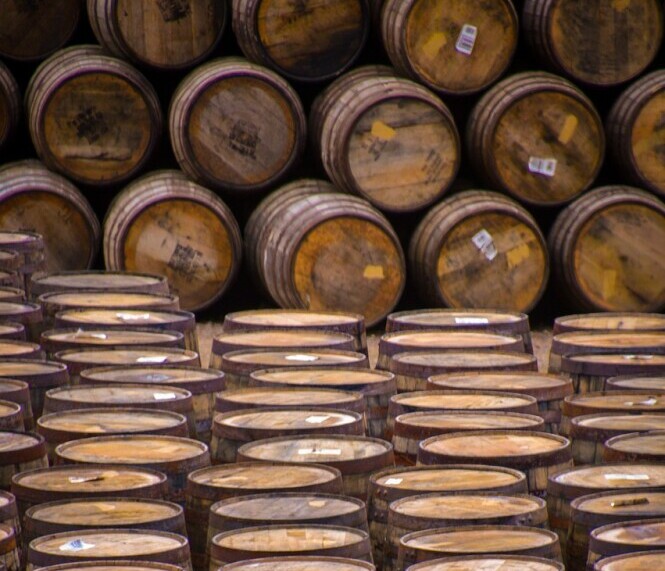
The practice of aging whisky in barrels became a transformative step in whisky production, significantly enhancing its flavor and complexity. Initially, whisky was consumed fresh after distillation, and the harshness of the spirit reflected its lack of maturation. However, over time, distillers began to notice that storing whisky in wooden barrels, particularly oak, softened the spirit and enriched its character. Barrels were often used simply for transporting and storing whisky, but the process of aging in these wooden vessels brought about unexpected changes.
As whisky rested in the barrels, it absorbed compounds from the wood, including tannins, lignin, and vanillin, which imparted flavors such as vanilla, caramel, and spices. The porous nature of oak allowed a slow interaction between the whisky and air, helping to mellow its harshness while developing richer, smoother notes. Barrels also allowed for the evaporation of some of the alcohol (known as the “angel’s share”), which concentrated the remaining flavors.
By the 18th century, distillers began deliberately aging whisky for extended periods, recognizing that longer aging led to a more refined, complex spirit. This whisky aging process became standard in whisky production, and the length of aging became a marker of quality. Today, barrel aging is integral to whisky making, with different types of barrels—such as those previously used for sherry or bourbon—imparting unique flavor profiles, shaping whisky into the rich, flavorful spirit we enjoy today.
Changes in Distillation Methods
Over time, significant refinements in distillation methods transformed whisky from a rough, inconsistent spirit into the smoother, more refined drink we know today. Early distillation techniques were relatively rudimentary, often producing whisky with unpredictable results in terms of taste and strength. However, as distillers gained more knowledge and technology advanced, improvements in the distillation process allowed for better control over the spirit’s quality and consistency.
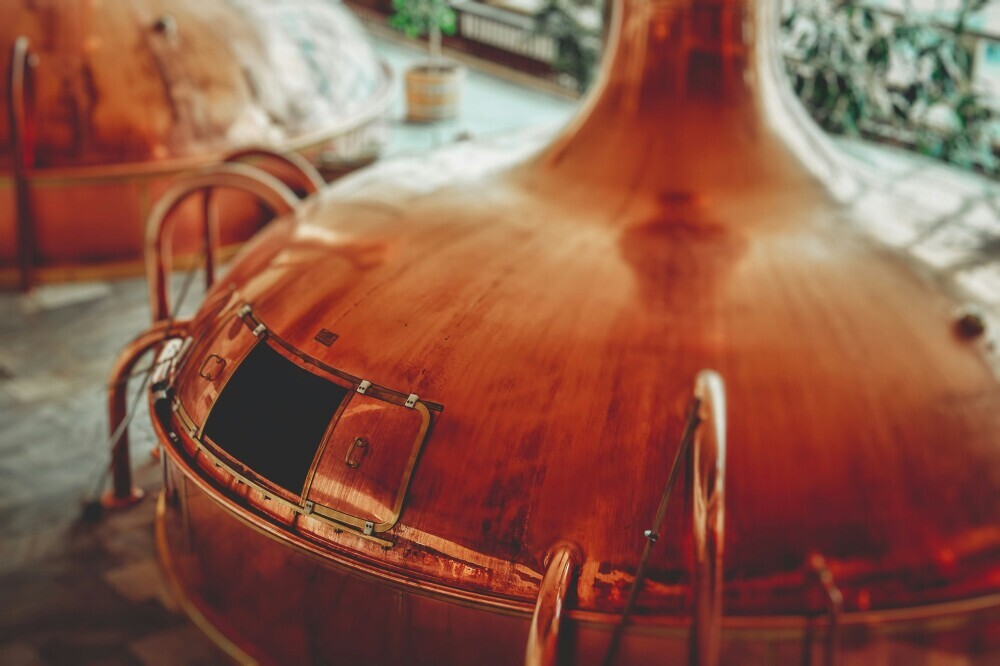
One of the most important changes in how whisky developed was the introduction of copper pot stills, which became the standard in whisky production. Copper’s unique properties helped remove impurities, reducing unwanted sulfur compounds and resulting in a cleaner, smoother spirit. Additionally, the development of multiple distillation techniques, particularly double or triple distillation, allowed for more refined spirits with higher alcohol content and fewer impurities.
In the 19th century, the invention of the continuous or column still by Aeneas Coffey revolutionized whisky production. This innovation allowed whisky to be distilled continuously, producing larger quantities while maintaining a consistent quality. The Coffey still also made whisky smoother by distilling at a higher proof, removing more impurities than traditional pot stills. These advancements paved the way for modern whisky-making, ensuring smoother, more reliable flavors and contributing to whisky’s global popularity.
Whisky’s Global Influence
Whisky’s global influence began to take shape as it spread from its origins in Scotland and Ireland to other continents, driven by trade, migration, and colonial expansion. During the 18th and 19th centuries, Scottish and Irish immigrants brought their whisky-making traditions to North America, where they adapted these techniques to local ingredients such as corn and rye, giving rise to new styles like bourbon and rye whisky. The whisky evolution in the United States became a pivotal moment, as American distillers developed their own unique practices, contributing to the growing diversity of whisky styles worldwide.
At the same time, British colonialism played a major role in whisky’s global spread. As the British Empire expanded across Asia, Africa, and the Caribbean, whisky traveled with soldiers, merchants, and settlers. By the late 19th century, whisky had gained popularity in countries like India and Japan, where local distillers began crafting their own versions, leading to the birth of Japanese whisky, which now enjoys international acclaim.
Whisky’s global influence didn’t just affect production but also consumption, becoming a symbol of prestige and celebration in various cultures. This journey across continents marked a key chapter in whisky evolution, shaping the spirit’s international reputation and paving the way for its status as a beloved, worldwide beverage.
Conclusion: The Enduring Mystery of Whisky’s Origins
A Quick Recap
Whisky’s journey from ancient distillation practices to a globally revered spirit is a story rich in history and cultural evolution. From its mysterious beginnings rooted in early alchemy and medicinal use by monks, whisky evolved into more than just a local tonic. It became a highly sought-after trade commodity, a ceremonial symbol, and eventually, a commercially produced product that traveled far beyond its origins in Ireland and Scotland.
Over centuries, distillers refined their techniques, introduced aging processes in barrels, and adapted their methods, transforming whisky into a smoother, more consistent drink. With the help of improved distillation technology, whisky production scaled globally, leading to new styles like bourbon and Japanese whisky. Today, whisky stands as a symbol of craftsmanship and tradition, cherished and celebrated across the world—a testament to its enduring legacy and influence.
Final Thoughts
The exact origin might never be discovered but is this really as important as, say, the taste of a whisky? Whilst Scotland and Ireland compete as the founders to whisky’s origin, my personal thoughts are that we are blessed with a drink that warms the soul and brightens the day. A drink to savour, not to gulp down like a beer or a vodka!
The history of whisky production and of whisky itself is extremely interesting and I love exploring the origins of my favourite drink. I hope you have enjoyed this article and if it has peaked your interest in whisky then please join me for more facts, myths, history and reviews of this wonderful drink we call whisky.
Frequently Asked Questions (FAQ) – The Origins and History of Whisky
1. Where did whisky originally come from?
Whisky’s exact origins are unknown, but its roots lie in ancient distillation techniques used in Egypt, Mesopotamia, and Greece for non-alcoholic purposes. It wasn’t until medieval times in Ireland and Scotland that these methods were adapted to local ingredients like barley, leading to the creation of whisky.
2. Who invented whisky – Ireland or Scotland?
The debate continues. Ireland has the earliest written reference from 1405, while Scotland’s first recorded mention is from 1494. Both nations played vital roles in whisky’s development, and while the exact inventor is unknown, each country’s contribution is undeniable.
3. What does “aqua vitae” mean, and what’s its link to whisky?
“Aqua vitae” means “water of life” in Latin and referred to early distilled spirits thought to have healing properties. This precursor to whisky was first created by monks and later evolved into the drink we recognize today.
4. How did monks contribute to whisky’s history?
Medieval monks in Ireland and Scotland refined distillation techniques and began producing whisky for medicinal use. They passed this knowledge to local communities, helping whisky evolve into a widespread cultural and social beverage.
5. Was whisky originally used as medicine?
Yes. Whisky was believed to cure colds, aid digestion, alleviate pain, and even treat melancholy. It was used both internally and topically, considered a staple in medieval medicinal practices.
6. When did whisky become a commercial product?
Whisky transitioned to a commercial product in the 18th and 19th centuries. The 1823 Excise Act in Scotland helped legalize production, encouraging large-scale distilling and global trade.
7. What role did aging in barrels play in whisky’s development?
Aging whisky in oak barrels dramatically improved its flavor, reducing harshness and adding complexity. It became a standard practice by the 18th century and is now a critical part of modern whisky production.
8. How did distillation methods change over time?
Originally crude, whisky distillation improved with the use of copper pot stills and later the continuous (Coffey) still in the 19th century. These advancements allowed for smoother, more consistent whisky.
9. How did whisky spread worldwide?
Whisky spread through trade, migration, and colonization. Irish and Scottish immigrants introduced whisky-making to North America, leading to styles like bourbon and rye. Japan and India also developed unique whisky traditions influenced by Scotch.
10. What are some of the earliest legal distilleries?
- Bushmills (Ireland) – licensed in 1608, the oldest operating distillery.
- Glenturret (Scotland) – founded in 1763.
- Bowmore (Islay, Scotland) – established in 1779.
- Strathisla (Speyside, Scotland) – opened in 1786.
11. Why is whisky often part of ceremonies in Celtic cultures?
Whisky symbolizes warmth, hospitality, and tradition. It has long been used in weddings, funerals, seasonal festivals, and even house blessings, continuing its deep cultural significance.
12. Does whisky still have global economic importance today?
Yes. In 2023, Scotch whisky exports were valued at £5.6 billion. Irish whiskey also continues to grow, exporting around £733 million. Whisky remains a major international industry.
I hope you enjoyed reading Where did Whisky Originate? Let me know what your favourite whisky is and where it’s from in the comments!
All the best
Tony

My name is Tony and I’m the creator of The Whisky Shed, a place where good drams meet good stories. From tasting notes to deep dives into distillery history, I share honest, approachable whisky knowledge for anyone who loves a great pour. Whether you’re exploring your first bottle or expanding a growing collection, my goal is to make whisky simple, enjoyable, and worth raising a glass to. Slàinte 🥃