From the mystical roots of medieval alchemy to the precision of modern science, distillation has undergone a remarkable transformation. This article traces its journey from secretive experiments in ancient labs to its pivotal role in chemistry, medicine, and spirits production. Explore how distillation fueled breakthroughs during the Scientific and Industrial Revolutions, led to global spirit brands, and is now experiencing a revival through artisanal craftsmanship and cutting-edge technology. Discover how tradition and innovation continue to shape the world of distilling today.

“What whisky will not cure, there is no cure for.”
Old Irish proverb
Alchemy
Distillation’s story kicks off in the intriguing world of alchemy, that fascinating blend of early science and mythical beliefs. Imagine a time when scholars were not just bookworms but were searching for ways to turn metals into gold or find the immortal elixir. These early efforts weren’t just about chasing dreams, though. They laid the groundwork for many discoveries, even if they believed their potions might cure anything under the sun.
Now, these alchemists weren’t just fumbling around in the dark. They were trying to understand the world in an era when modern chemistry hadn’t taken shape yet. Distillation played a crucial role here. It was essential in their attempts to purify substances and create all kinds of intriguing concoctions. Their work with distillates was a lot about experimenting, and believe it or not, this tinkering in hidden labs paved the way for future scientific breakthroughs.
Ever heard of Paracelsus? He was one of those standout personas. Kind of like a medieval rock star of the science world. Paracelsus emphasized observing nature and hands-on experimentation over just reading dusty old books. This shift towards practicality in alchemy pushed distillation into the spotlight as more than just a mystical tool but as a practical scientific instrument.
As medieval times gave way to the Renaissance, the secretive nature of alchemy started to open up. The transition was slow but steady. The quest for knowledge became more about understanding the natural world rather than conjuring magical spells. And distillation was right there, evolving with this changing mindset, turning into an art and science that didn’t require cloaks or dark cellars to practice.
By the end of the medieval period, distillation wasn’t just the domain of mystical scholars but had become a subject of scholarly interest. This evolution marked the beginning of transforming distillation from a curious pursuit into something more scientific and artful. With this shift, the foundation was set for the scientific revolution that followed, influencing future pioneers and leaving a legacy that craftsmen and scientists continue to explore today.
Pioneers of Purity: Distillation in Scientific Revolution
In the scientific revolution, distillation made big leaps from mystical alchemy to a more systematic approach that we’d recognize today as chemistry and physics. It was a time when thinkers were into understanding stuff scientifically, and distillation became a huge part of that journey.
Speaking of the change, imagine swapping old glassware for precise equipment. Remember alembics? They were all the rage back then. These nifty devices, along with retorts, were the OGs of modern lab equipment. As science moved forward, these got some major upgrades. This meant scientists could now control their experiments with way more precision. Better tools led to cleaner, purer results.
A shoutout to the brains behind these innovations is a must. You’ve probably heard of Lavoisier. He was one of the men who laid the foundation of modern chemistry. Then there was Boyle, as in Boyle’s Law, who showed how gases behave. These scientists, along with others, used distillation to purify substances, providing clearer insights into the compounds they were studying.
Distillation didn’t just stay in the chemical world. It pushed boundaries in fields like pharmaceuticals and even bacteriology. How? By purifying ingredients for medicines or helping identify and study bacteria, distillation played a pivotal role. It helped ensure that what went into medicines was as close to pure as possible. And that’s a trend that continues to this day in labs across the world.
Overall, this shift to a more scientific approach didn’t just better our understanding of chemicals. It set a standard for precision and purity in distillation that’s still critical in today’s scientific and culinary pursuits. This era wasn’t just about the booze, although let’s be honest, spirits were a significant output too, but it was about a broader understanding and application of distilling techniques. The first whisky distilleries were born from this new shift and we haven’t looked back since!
From Industrialization to Innovation: Shaping Modern Spirits
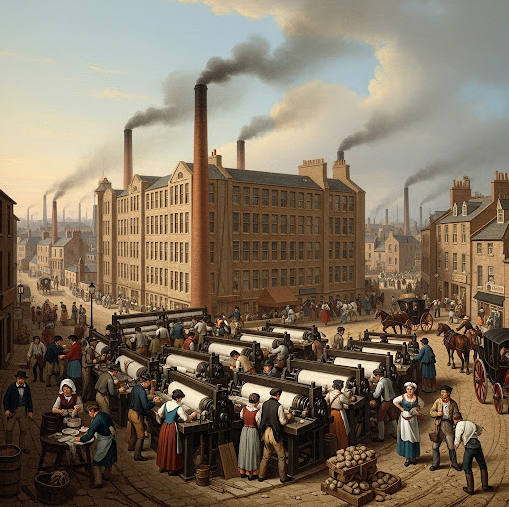
The industrial revolution really kicked distillation into high gear, making processes way more efficient and scalable. Suddenly, the world could enjoy spirits on a whole new level. Before this, crafting spirits was a meticulous, often small-scale affair. With industrialization, it was like shifting from artisanal to assembly line production.
Famous spirits like rum, whiskey, and gin emerged as household staples. It wasn’t just about local taverns anymore; these spirits stood as cultural symbols representing different regions’ tastes. The evolution of mass production techniques meant that these drinks could reach the far corners of the globe, turning them into international icons.
Navigating the regulatory landscape became an essential part of the game. Licensing, quality control, and the need to innovate while maintaining safety standards brought new challenges. But they also opened doors for creative advancements. Distillers had to ensure consistency in flavor and quality, leading to impressive technical innovations.
This era also marked significant strides in enhancing the purity and precision of these spirits, not just quantity. Quality became crucial as large-scale distribution meant spirits needed to not only taste great but also maintain safety standards. Establishing a brand’s reputation depended heavily on mastering this balance.
All these changes set a rudimentary stage for spirit brands that we’ve come to know and love. Innovation didn’t stop at scaling production; it kept pushing boundaries for better flavors and techniques. The industrialization era was pivotal in solidifying spirits’ places both in bars worldwide and in history.
Craftsmanship Renaissance: Return to Artisanal Distilling
There’s been a revival in the world of distillation that’s all about going back to the roots and celebrating the art of craftsmanship. Many folks today are leaning towards experiences and products that feel genuine and lovingly crafted. This return to more traditional techniques is like a breath of fresh air. It’s about more than just the end product; it emphasizes the process, tradition, and stories behind every sip.
Modern consumers are absolutely digging the authenticity of small-batch production. That small-batch label? It’s not just for show. Each bottle reflects the care and creativity that hands-on practices bring. It’s about giving spirits a personal touch, something that’s often lost in mass production. The focus is back on quality over quantity, where each bottle becomes a masterpiece of flavor and experience.
Artisan distillers are passionately using locally sourced ingredients, which not only emphasizes sustainability but also enhances flavor profiles with regional uniqueness. These practices resonate with consumers who are increasingly eco-conscious, aligning their purchase choices with values that back environmental sustainability. It’s a nod to tradition while staying in tune with present-day ecological concerns.
This artisanal flair isn’t just about reviving old techniques; it’s about injecting new life and creativity into the distilling world. Custom flavor profiles, using innovative blends of botanicals and grains, mean there’s something unique and personal in every creation. The creativity in bringing together unconventional ingredients is reshaping what we expect from a bottle of spirits.
Beyond the bottle, craft distilleries are having a significant impact on local economies. They’re not just about making great spirits but also contributing to community revival. By creating jobs and drawing tourists, these distilleries are playing a crucial part in economic regeneration, showcasing how old-world methods are helping to build vibrant, local futures.
The Future of Distillation: Harmony of Science and Tradition
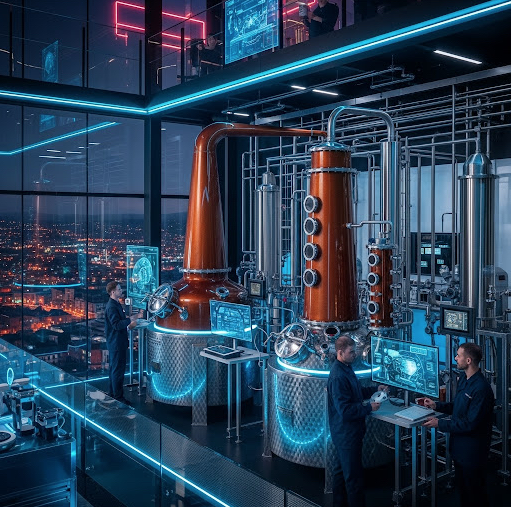
Distillation is marching forward with technology shaking up the scene even more than before. With the likes of AI and IoT, precision in distilling is reaching new heights. These technologies help tweak processes for better efficiency and quality, essentially giving distillers a modern toolkit to experiment fearlessly with flavors and methodologies.
Spirits production is also taking a green turn. There’s a growing push toward sustainability, with zero-waste initiatives becoming standard practice. Distilleries are finding innovative ways to minimize waste, recycle materials, and reduce their environmental footprint. This focus is not just about saving the planet or being trendy; it’s about preserving the tradition for future generations in a way that’s conscious and considerate.
While technology might be leading the charge, keeping a foot in tradition remains vital. Balancing these elements means staying true to distillation’s rich history while embracing the path forward. Consumers still want the rich stories, the craftsmanship, and that personal touch in every bottle—all packaged with the perks of modern tech.
As we gaze into the future, expect trends in taste and experience to keep evolving. There’s a growing appreciation for spirits that offer more than just a drink—people want an experience, a story, something memorable with every sip. This desire for novelty and tradition creates endless possibilities for what distillation can do next.
Keeping an eye on these emerging trends, distillers can stay ahead of the curve while keeping their craft’s heart beating strong. With the way things are shaping up, the fusion of past and future promises a thrilling ride for both creators and enthusiasts.
Frequently Asked Questions (FAQ)
1. What exactly is distillation, and why is it important?
Distillation is a process that separates substances based on differences in boiling points. Historically used by alchemists, it’s become essential in producing everything from clean water and medicines to spirits and perfumes. Its importance lies in its ability to purify and concentrate liquids, making it vital across scientific, industrial, and culinary fields.
2. How did distillation evolve from alchemy to modern science?
Alchemists used distillation in their quest for transformation—both mystical and medicinal. Over time, as science emphasized observation and experimentation (thanks to figures like Paracelsus and Boyle), distillation became more precise and practical. This evolution turned it into a cornerstone of modern chemistry and industry.
3. What role did distillation play in the development of spirits like whiskey and gin?
During the Industrial Revolution, distillation allowed for the mass production of spirits with consistent quality. Techniques were refined to enhance purity, flavor, and scalability, helping iconic drinks like whiskey, rum, and gin become global staples.
4. Why is there a renewed interest in artisanal distilling today?
Consumers are increasingly drawn to authenticity, craftsmanship, and sustainability. Artisanal distillers use traditional techniques, local ingredients, and small-batch methods to produce unique, high-quality spirits—often with compelling stories behind each bottle.
5. What does the future of distillation look like?
The future blends tradition with innovation. Expect more sustainable practices, smart technology like AI and IoT in production, and continued experimentation with flavors and techniques. The focus will be on delivering not just a drink, but a memorable, ethically-made experience.
Thank you for reading,
Tony

My name is Tony and I’m the creator of The Whisky Shed, a place where good drams meet good stories. From tasting notes to deep dives into distillery history, I share honest, approachable whisky knowledge for anyone who loves a great pour. Whether you’re exploring your first bottle or expanding a growing collection, my goal is to make whisky simple, enjoyable, and worth raising a glass to. Slàinte 🥃