
If bold, smoky whiskies make your taste buds buzz, or even if you’re just whisky curious, you’ll find Islay’s peated powerhouses impossible to ignore. The island of Islay is more than just a whisky region in Scotland. It’s where smoke meets sea, and generations of distillers turn wild weather and rich peat into drams that really stand out worldwide. Every glass gives you a blast of smoke, a breath of sea air, and the unmistakable touch of the island itself. The reputation for peated Scotch starts right here, on windswept shores facing the Atlantic Ocean.
Where Is Islay and What Makes It Special?
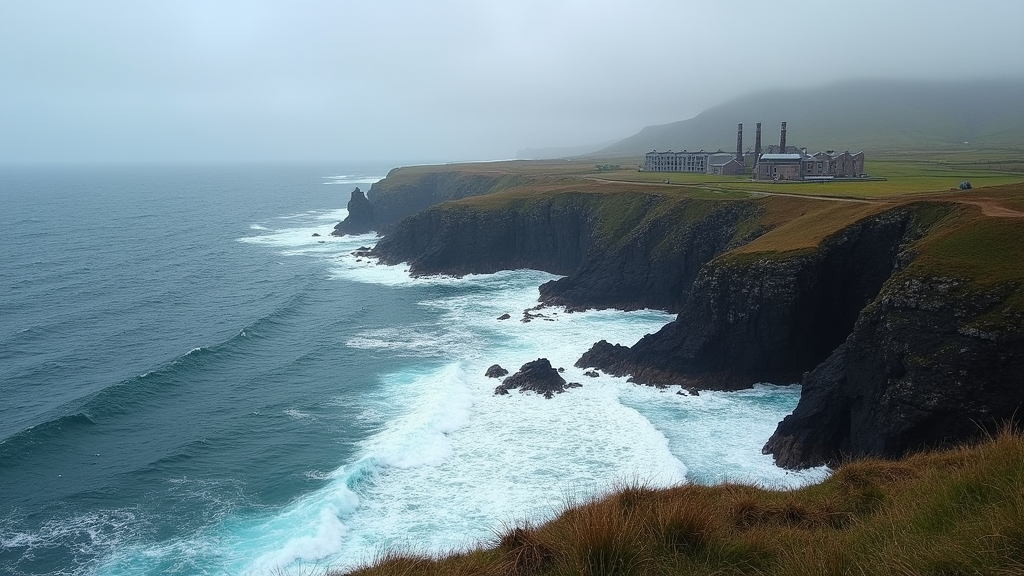
Islay sits off Scotland’s west coast as one of the Inner Hebrides. It’s rugged, green, always close to the crashing Atlantic waves, and is home to a bit over three thousand people. The climate isn’t mild; blustery winds and frequent rains shape the landscape. What really marks Islay for whisky lovers is the hard weather, the salty ocean spray, and miles of peat bogs. The island’s wild setting and all that peat define the character of every bottle that says “Islay Whisky.” Scottish coastal whisky often packs some brine, but Islay’s much-loved drams take it further, mixing in bold flavors that leave a lasting impression.
The Role of Peat: A Distinctive Character
Peat comes from ancient, partially rotted plants and mosses that have compressed over centuries into thick layers just below the ground. On Islay, peat is almost everywhere; locals once cut it for fuel, but now its key role is drying barley during whisky making. Burning peat smoke seeps into the grain, giving that unmistakable smoky twist to the finished whisky. Peated Scotch from Islay can be intensely smoky, earthy, or sometimes a bit medicinal, depending on how much is burned and the unique touch of each distiller. The peat level, measured as phenol content in parts per million (ppm), varies quite a bit from one whisky to the next. Ardbeg and Laphroaig tip the scales with heavy smoke, while distilleries such as Bunnahabhain hardly use any peat at all, making each sip distinct.
Legendary Islay Distilleries
Despite its size, Islay hosts some of the biggest names in whisky. Each distillery offers its own unique angle, but these are the ones that stand above the rest:
- Laphroaig: This whisky is often called medicinal, loaded with salty, seaweed-laced notes and a massive peaty kick. Laphroaig tends to split opinions; folks either love its wild style or stay away.
- Ardbeg: Renowned for intense smoke and lots of layers. Fans love its balance: fierce peat with touches of citrus and coffee rounding things out.
- Lagavulin: Famed for a rich yet balanced peaty profile and sherry sweetness. Lagavulin 16 is a favorite among both newcomers and experienced whisky fans, owing to its warm and savory character.
- Bowmore: Delivers gentler smoke, combined with fruit, honey, and a pinch of spice. It’s more mellow, but carries a clear coastal signature.
- Caol Ila: Often lighter and fresher, merging seaside brine with gentle peat smoke and a bright citrus note.
- Bruichladdich: Goes from entirely unpeated to extra-peaty with their “Octomore” releases, which push peat content to new limits.
- Bunnahabhain: Noted for whisky that’s mostly unpeated, giving nutty, rich, and sherried flavors. These bottles win over people who aren’t big on smoke.
- Kilchoman: The relative newcomer, this farm-based distillery produces peaty whisky entirely on site, from barley field to bottle. Its drams blend big peat with fresh cereal flavors in a style all their own.
Flavor Profiles of Islay Whiskies
The taste of Islay whisky sets it apart within the Scotch scene. You’ll pick up notes like bonfire smoke, salty sea air, iodine, brine, earth, and hints of tar and seaweed. Some bottles remind you of barbecue smoke, while others bring in citrus or a sweet vanilla edge, all shaped by the casks used and the whiskey’s age.
How whisky is aged matters a lot here. American ex-bourbon barrels typically add vanilla, coconut, and a kick of spice. Sherry casks, by contrast, push deep fruit and sweet flavors that help mellow all that distinctive peat smoke. On the wind-lashed southern coast where Ardbeg, Lagavulin, and Laphroaig operate, you’ll get the strongest expressions—peat, sea spray, and boldness in every sip. If you slide north to spots like Bunnahabhain or Caol Ila, peat softens, fruit steps forward, and the finish remains clean but briny, letting other flavors shine alongside the smoke.
How Islay Whisky Is Made
The making of Islay whisky follows the tried-and-true traditions. Barley is soaked, spread out over malting floors, and then dried over a peat fire. That peat smoke gives Islay drams their celebrated aroma and punch. Several distilleries, like Laphroaig and Bowmore, still stick to age-old methods, working with malting floors to give each batch something extra. Once dried, the grain is mashed and fermented before getting distilled in copper stills. The whisky then rests in casks inside warehouses mere steps from the roaring sea. This proximity means the wild Islay weather, salt air, and ebb and flow of temperatures shape the spirit over years, making every sip taste distinctly of the island. The barrels breathe, helping the whisky pick up both wood and maritime flavors that only Islay can deliver.
The Culture of Islay Whisky
Islay whisky is more than a drink—it’s a living part of the island’s culture and local life. Many of the distilleries still run as family businesses, with generations of people keeping old traditions alive. Visitors from all over the globe travel to join the Islay Festival (Feis Ile), a lively, week-long celebration packed with tastings, music, and a special island vibe. While whisky tourism is thriving on Islay, every distillery makes newcomers feel at home. Most tours are given by locals who love the craft and enjoy sharing a dram and a story with visitors. This authentic friendliness, plus the deep pride in every bottle, makes visiting Islay a must for any whisky fan.
Islay Whisky for Beginners vs. Connoisseurs
If you’re new to Islay whisky, it’s smart to start with the lighter end of the range. Bowmore 12 and Caol Ila 12 gently introduce you to peat and briny flavor, keeping things approachable without shying away from character. Whenever you’re ready to ramp things up, reach for Ardbeg 10, Laphroaig 10, or Lagavulin 16. Each brings its own personality, dialed up in complexity and smoky power.
For those who want to get the full blast of flavor, bottles like Octomore from Bruichladdich or Ardbeg Supernova let loose serious peat levels. These are intense and not for casual sipping, so it’s best to work up to them. Every step in the Islay range pulls back a new layer—sometimes smoky, sometimes seaside, every time unforgettable. Whether you want a gentle smoke or total peat explosion, Islay has something up its sleeve for you.
Final Thoughts
Islay stands out as the home of peated Scotch for good reason. Every bottle tells a story of the island: stormy weather, salty spray, and peat bogs that make Islay whisky taste like nowhere else. Whether you’re relaxing alone with a glass while rain falls or rounding up friends to hunt for rare bottles, every dram carries a sense of place and authenticity.
The smoky, sea-driven energy of Islay isn’t only in the whisky; it’s part of the island’s culture, the wild scenery, and the people behind every bottle. There’s always more to track down, whether you’re getting started or searching for the boldest, smokiest whiskies out there. If you’re looking for a dram that delivers character, Islay’s whiskies are sure to impress.
Frequently Asked Questions
Curious about Islay whisky? Here are some of the questions I hear most often, answered in everyday language.
Question: What is Islay whisky known for?
Answer: Islay whisky is famous for bold, smoky flavors, heavy use of peat, and that unmistakable salty, coastal vibe. The style is all about showing off its punchy, marine-driven attitude.
Question: Why is Islay whisky so smoky?
Answer: Islay whisky gets its powerful smoke from burning peat during the barley drying process. That smoke infuses the barley and gives every whisky a signature bonfire, earthy, and sometimes medicinal taste.
Question: Is Islay whisky peated?
Answer: Most Islay whiskies are definitely peated, but not every single one. Bunnahabhain, for instance, usually skips the peat, resulting in softer, more nutty, and fruit-driven flavors.
Question: What is the best Islay whisky for beginners?
Answer: Bowmore 12 and Caol Ila 12 are great for first-timers. They balance gentle peat, soft sweetness, and a hint of salt, making the classic Islay style easygoing and accessible.
Question: How does the sea influence Islay Scotch?
Answer: The salty air and shifting weather on Islay help whisky age and soak up briny, maritime notes. That splash of the ocean is there in every sip you take.
Question: Is Bunnahabhain peated?
Answer: Most Bunnahabhain releases are unpeated, with mellow, nutty, and sherried flavors in the lead. Occasionally, they do release special editions with peat, but that’s the exception.
Question: What’s the difference between Highland and Islay whisky?
Answer: Highland whiskies are often more floral, fruity, or lighter, while Islay whiskies bring strong peat smoke, sea salt, and sometimes big medicinal and earthy flavors. Highland styles are gentler, but Islay ones have that unmistakable smoky kick that wins fans all over the globe.
Check out the rest of my articles on Scotlands Whisky regions…… Campletown, Highlands, Lowlands and Speyside. If you want to know more about Peat then check out my article, What is Peaty Whisky?
Until next time
Slàinte

My name is Tony and I’m the creator of The Whisky Shed, a place where good drams meet good stories. From tasting notes to deep dives into distillery history, I share honest, approachable whisky knowledge for anyone who loves a great pour. Whether you’re exploring your first bottle or expanding a growing collection, my goal is to make whisky simple, enjoyable, and worth raising a glass to. Slàinte 🥃