Whisky isn’t just a drink in Scotland; it’s woven into the country’s history, culture, and daily life. Almost anywhere you go, you’ll spot distilleries nestled in rolling hills, bottles behind every bar, and stories about how it all began. I’ve always found it fascinating how whisky went from a humble homemade spirit to what many now see as Scotland’s national drink. Here’s a closer look at how that happened, and why whisky still means so much to the Scots.
The Origins of Scotch Whisky
Whisky’s Scottish roots stretch back centuries. The first written mention in Scotland turns up in 1494, in records noting malt sent “to Friar John Cor, by order of the King, to make aqua vitae.” That old term, aqua vitae, just means “water of life,” which is exactly what whisky became for so many in Scotland.
Distillation itself wasn’t invented in Scotland; people in the Middle East and mainland Europe had been distilling things like perfume and medicines for centuries. But once the technique reached Scotland, probably via wandering monks or the returning Crusaders, monks started using local barley and cool, clean water. The rest, as they say, is history, and it’s a history with a lot of trial and error (and, to be honest, plenty of law-dodging too).
Early on, whisky was rustic and rough. Farmers would distill surplus barley after harvest, sharing whisky at gatherings and celebrations. It was strong, simple, and not always aged, but it was deeply local. Villages often had their own signature style, which still rings true today if you explore Scotland’s regions. Back then, whisky really was known as the “water of life” for more than one reason—it warmed folks through cold winters and brought communities together.
How Whisky Production Evolved in Scotland
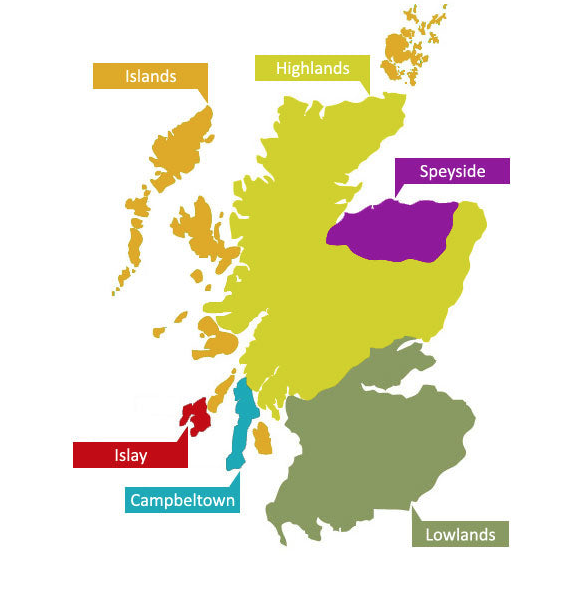
As whisky started spreading, Scotland’s unique geography played a big part in shaping different styles. Whether you’re sipping something smoky from Islay, something honeysmooth from the Highlands, or something bold from Speyside, you’re tasting the land and climate itself.
Early Scottish whisky was produced at home or in tiny stills. But by the 17th and 18th centuries, taxes on spirit making kicked in, trying to regulate and profit from whisky’s popularity. This didn’t go over well. Smuggling ramped up. People hid stills in caves and remote hills, and the stories from this time are wild: whole communities turning out to distract excise men while distillers quickly hid their gear.
Then came 1823, when a new Act finally made legal distilling more affordable. The business boomed. Famous distilleries cropped up and set the scene for international success. Thanks to this change, Scotland’s whisky industry spread far beyond the country’s borders, and the distinct tradition of Scotch whisky truly took root.
Why Whisky Is So Closely Linked to Scottish Identity
Ask most Scots what whisky means to them and you’ll get a range of answers, many tied to family, tradition, or simply relaxing at the end of the day. It’s more than just a drink; it shows up in stories, songs, and even politics. I’ve chatted with folks whose grandparents passed down special bottles for weddings or who work in family distilleries dating back generations.
Whisky is everywhere during big Scottish events. At Hogmanay (New Year), whisky toasts mark the old and the new. At Burns Night (the annual celebration of poet Robert Burns), a wee dram accompanies every step in the traditional meal. Sharing a glass is about hospitality just as much as taste. For many, whisky feels like a connection to community, even if you’re just enjoying a nip by the fire. The symbolism of passing the bottle or pouring a dram is all about welcoming, honoring guests, and keeping ancient traditions alive. It’s not unusual to find a whisky bottle opened for special occasions like birthdays and anniversaries, or even to mark farewells and homecomings, showing how woven it is into personal and community milestones.
Scotland’s Global Whisky Reputation
Scotland is now the world’s largest whisky exporter, sending bottles to over 180 countries. People on every continent now pair Scotch whisky with celebrations, special dinners, or winding down after work. This wasn’t always the case. Several things helped push Scotch onto the world stage, including:
- Blending whisky: In the 19th century, blenders began mixing single malt and grain whiskies to create smoother, more consistent bottles. Blended whisky opened up Scotch to new drinkers abroad.
- Phylloxera outbreak: When insects wiped out Europe’s vineyards in the late 1800s, brandy and wine ran short. Whisky stepped in as a replacement, and overseas demand shot up.
- International law and marketing: Strict labeling regulations for “Scotch” and clever advertisements kept the drink’s reputation for quality intact.
I’ve heard whisky described as ‘liquid Scotland,’ a little bit of the country that tourists take home in a bottle. Whether that’s true or not, there’s no denying how closely whisky is tied to Scotland’s image abroad. Famous brands like Glenfiddich, Macallan, and Laphroaig are recognized worldwide, underscoring Scotland’s reputation as a whisky powerhouse. Some argue that whisky’s place on the world stage has helped boost Scotland’s tourism, with whisky trails and festivals drawing thousands each year.
How Whisky Is Made and Why That Matters
The classic process behind Scotch whisky hasn’t changed much for decades. Traditional methods like malting, fermenting, distilling, and aging in oak casks are still used in modern, hightech distilleries. What makes Scotch unique is partly strict rules: by law, it has to be matured in oak barrels in Scotland for at least three years. Every bottling has its own personality, shaped by local water, air, and even the wood used in barrels.
This careful approach to making whisky helped shape its reputation, both locally and worldwide. The mix of old-fashioned craft and science gives Scotch its complex, layered flavors; whether you’re into peaty, smoky sips or lighter, floral ones. Over time, even small details, like the type of yeast or how casks are stored, make a difference in the taste. Enthusiasts often enjoy tracking down limited editions or single cask releases because of how unique they can be.
Classic Regions of Scottish Whisky
Each part of Scotland leaves its own fingerprint on whisky. Here are the 5 regions:
- Speyside: Sweet, fruity, and often lighter. Think Glenfiddich or Macallan.
- Islay: Smoky, peaty, and bold. Laphroaig and Ardbeg are great examples.
- Highlands: Versatile, with flavors ranging from floral to spicy to peaty. Glenmorangie comes from here.
- Lowlands: Softer, grassy, sometimes with floral notes.
- Campbeltown: Briny, maritime, and a bit funky—the smallest traditional region.
Each region is proud of its special approach and flavor. Exploring them can be a fun adventure for both beginners and collectors eager to check out more than the big names.
What’s Behind the Popularity of Whisky in Modern Scotland?
While whisky’s roots are old, its appeal hasn’t faded. It’s become a point of national pride, and the industry helps support local economies, especially in more rural areas where many distilleries are located. Distillery tours, whisky festivals, and even whisky universities draw travelers from all around the world, eager to taste, learn, and maybe even try a hand at blending their own bottle.
In communities, whisky distilleries offer jobs, not just in making the stuff, but in everything from marketing to hospitality. For many Scottish towns, the local distillery is a cultural and economic hub. These workplaces create a sense of pride among locals, as family legacies in whisky making are often passed down over generations. Plus, the combination of tourism and craftsmanship ensures that even small towns stay vibrant and connected to the outside world.
The growing interest in unique, crafted spirits has also brought a boost to small, independent distilleries. Artisans experiment with barrel aging, introduce new flavors, and set trends that attract younger drinkers. Whisky clubs and tastings are more common than ever, helping new fans get into the world of Scotch, whether at home or out on the town.
Things to Know If You’re Exploring Scotch Whisky
Jumping into Scotch whisky is easier than ever, no matter your knowledge or budget. Some tips for a great experience:
- Start small: Visit a local bar or whisky shop and ask for a tasting flight. Folks serving often love sharing advice and their own favorites.
- Tour a distillery: Many open their doors for guided tours, showing off everything from copper stills to secret aging rooms. The behind-the-scenes peek can be pretty next-level cool.
- Ask questions: People in Scotland don’t mind talking about whisky—in fact, getting them started is usually the trick! If you’re unsure, just ask. You’ll get tips, stories, and sometimes even a sample.
- Take your time: There’s no rush. Enjoy the flavors, the setting, and the chat. Whisky is about slowing down and appreciating the moment.
It can also help to check out local whisky events. Scotland hosts plenty, from large festivals drawing crowds to little neighborhood tastings. Meeting other whisky fans is a great way to swap stories and learn a few tricks for enjoying Scotch like a local.
The Landscape and Its Influence on Whisky
The natural beauty of Scotland—the mountains, the moors, and the coast—isn’t just for show. It helps shape every bottle of whisky produced here. Local water, from rivers and springs, is said to add its own mineral notes. Peat from moors provides the famously smoky flavor found in whiskies from Islay and other regions. Even the air, especially in coastal areas, influences how casks mature in warehouses by the sea.
Many distilleries take pride in how their local environment sets them apart. For example, some use locally grown barley or rely on spring water unique to their area. The influence of rain, wind, and temperature on maturing barrels means that every batch of whisky tells a story about where it came from. It’s a thread connecting the taste in your glass to the wild land itself.
Frequently Asked Questions
How old is Scotch whisky?
Records show distilling in Scotland going back over 500 years. Whisky as we know it now really started taking shape after 1823, when excise laws made legal production possible.
How is Scotch whisky different from Irish whiskey?
There are lots of differences, but the most noticeable are usually the ingredients, the number of times spirit is distilled, and regional flavor styles. Scotch tends to be distilled twice, often using malted barley and peat for smoky flavor, while Irish whiskey might be tripledistilled and is often lighter and smoother.
Why does whisky have so many spellings?
In Scotland, it’s always “whisky,” no ‘e’. In Ireland and the United States, though, it’s “whiskey.” Both are pronounced the same and share similar histories.
What Makes Scotch Whisky the National Drink?
Scotland’s relationship with whisky is built on tradition, skill, and generations of shared moments. From homemade beginnings to today’s world-leading exports, whisky has worked its way into everyday Scottish life. The culture around whisky—generous, welcoming, proud of its roots—makes it stand out. Whether you’re enjoying a dram by the fire or traveling through the winding roads of distillery country, you’re tasting centuries of craft and a spirit that still brings people together.
Next time you raise a glass of Scotch, you’re not just sampling a drink. You’re joining a long-running story, one that’s as much about the land and people as it is about the flavor in your glass. Slàinte!
Thanks for reading, why not pour a glass of your favourite tipple and read the other articles I’ve written here.
Until next time, cheers
Tony

My name is Tony and I’m the creator of The Whisky Shed, a place where good drams meet good stories. From tasting notes to deep dives into distillery history, I share honest, approachable whisky knowledge for anyone who loves a great pour. Whether you’re exploring your first bottle or expanding a growing collection, my goal is to make whisky simple, enjoyable, and worth raising a glass to. Slàinte 🥃