Ask any whisky lover what makes a great dram, and you’ll likely hear one word: age. From 12-year-old classics to 30-year-old legends, it’s easy to believe that older always means better. But does whisky actually get better with age? The short answer: only in the barrel. Once bottled, whisky stops aging—and more years doesn’t always mean more flavor. In this article, we’ll cut through the myths, explore what aging really does to your whisky, and help you decide whether those extra digits on the label are truly worth the hype.
What Does “Aging” in Whisky Really Mean?
When you see a whisky with an age statement, maybe 12, 18, or even 30 years, that number refers to how long the whisky sat maturing in an oak barrel before bottling. This is called the whisky aging process. During this time, the spirit transforms, with the wood and air playing a big part in shaping its flavor. There’s this idea floating around that older whisky is always better, but that belief is mostly a myth. Some folks even think unopened bottles keep getting better for years on their shelf, which isn’t the case. So, does whisky get better with age? The answer has more layers than you might expect.
How Whisky Ages in the Barrel
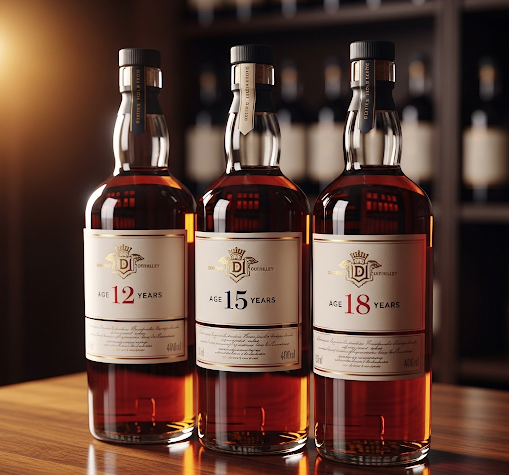
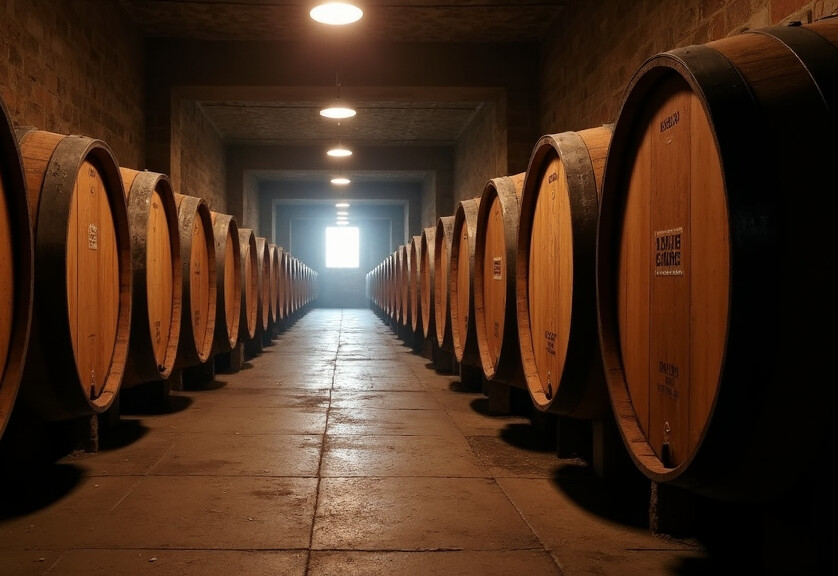
The magic of whisky happens inside the barrel. Once the raw spirit goes into a cask, usually made of oak, a bunch of changes begin. The whisky pulls flavours from the wood, picking up notes like vanilla, caramel, and spice depending on the barrel type. Oxygen makes its way in through the barrel, softening harsher flavours. Plus, temperature shifts in the warehouse cause the liquid to expand and contract, helping it interact with the wood even more.
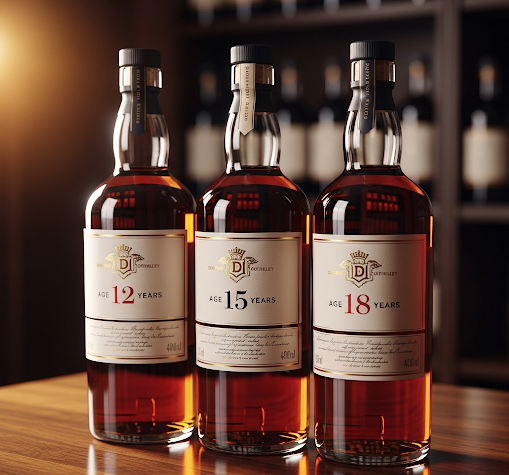
This entire whisky aging process is why a 12-year-old tastes different from an 18- or 25-year-old whisky. Over time, you’ll usually notice smoother edges, new layers of complexity, and deeper colors. Some people swear by classic age statements like 12 years (smooth and lively), 18 years (richer and more nuanced), or 25 years (extra mellow with serious depth). But too much time in wood can also go too far, which I’ll get back to in a bit.
How whisky ages depends on factors like barrel size, the warehouse’s climate, and even how often barrels are moved around. Warmer climates speed things up, making a 12-year-old bourbon in Kentucky mature faster than a Scottish whisky of the same age. These influences mean not all whiskies age in the same way or at the same pace. Smaller casks make the whisky mature faster, while larger casks allow for a slower, more even process. Distilleries in regions with drastic seasonal swings will also see more dynamic changes compared to those in cooler, more stable environments. Even the position of the cask within the warehouse, exposure to air currents, and frequency of cask rotation can give each batch a unique twist.
What Happens After Bottling?
Does Whisky Age in the Bottle? You might have heard someone say an old bottle of whisky is “well-aged” because it’s been sitting on a shelf for decades. The reality is, once a whisky leaves the barrel and goes into glass, it’s done aging. Bottled whisky is basically frozen in time. Even if you leave an unopened bottle for fifty years, it will taste the same as the day it was bottled. Glass doesn’t let any oxygen or wood flavors in, so there’s no way for the flavors to mature further.
Here’s an important keyword for collectors: does unopened whisky improve with time? The answer is no, at least in terms of taste. The value of an old, unopened bottle might go up (I’ll touch on that later), but what’s in the bottle stays the same. This is one of the big differences when you compare whisky in bottle vs barrel. The barrel lets the whisky evolve; the bottle just keeps it safe for the long haul.
Aged Whisky vs. Young Whisky: Is Older Always Better?
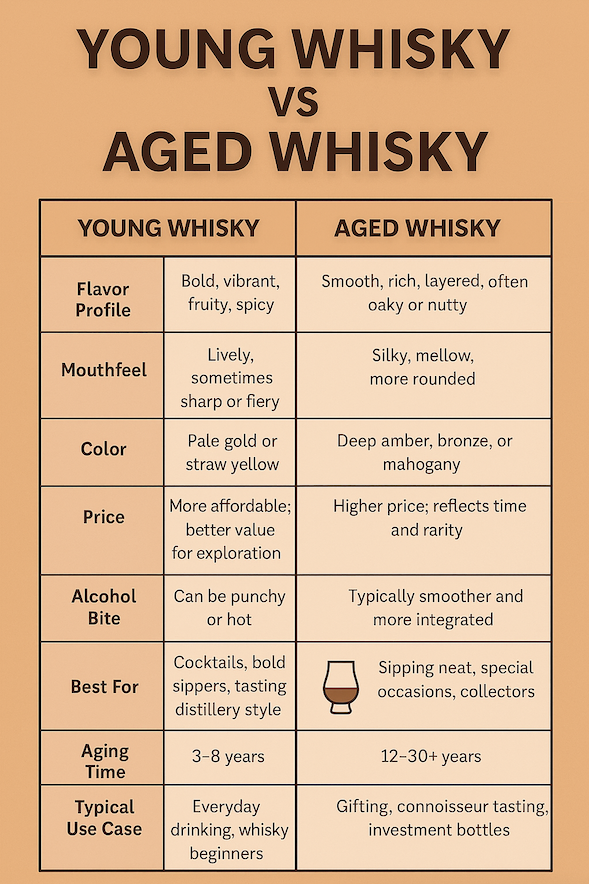
So, is aged whisky always better than young whisky? Not really. Older bottles often taste softer, richer, and more layered, but that doesn’t automatically mean “better.” Some younger drams have more punch, with fresher, fruitier notes or a strong sense of the distillery’s unique style. Cost-wise, older whiskies usually fetch higher prices, but you’re not always paying for better flavor. You’re often paying for rarity and the extra years of storage, which adds to the mystique.
Here’s how I like to break it down when thinking about aged whisky vs new whisky:
- Younger Whiskies: These tend to show off the spirit’s bold, lively notes. Think green apples, pears, or a spicy kick. Some Scotch or bourbon fans prefer the vibrant style of a 6- to 8-year-old bottle, especially when they want to taste the “soul” of a distillery.
- Older Whiskies: These are often smoother, heavier, and packed with mature flavors like dried fruit, nutmeg, or polished wood. For some, that depth is totally worth the higher price. For others, it can feel a little subdued or even too woody.
In the end, which one is “better” really depends on your personal taste. One person’s favorite 21-year-old Scotch might be another’s overpriced snooze fest. Some whisky lovers even enjoy mixing their choice for the day, jumping from a zesty young bourbon to a deeply mellow single malt depending on their mood, the weather, or the occasion. Don’t worry too much about doing it “right”—just taste and see what brings you the most enjoyment.
The Myth of Infinite Improvement: When Does Age Hurt Flavor?
There’s a point where more years in the cask stop adding flavor and start taking it away. This is how over-aging can become a problem. The longer whisky sits in oak, the more wood flavors come into play. Leave it too long, and those creamy vanillas and spicy notes can become overpowering, with bitter tannins or a “woody” taste that covers up everything else.
I’ve tried a few whiskies with impressive age statements—25, 30 years or more—that honestly tasted flat or overly oaky. Sometimes all that time in wood strips away the fruitiness and punch that makes a whisky memorable. This is why a whisky age statement isn’t everything, and why some distillers actually blend in younger whisky to brighten up their older releases.
Distilleries usually monitor how whisky ages, regularly tasting samples and deciding when to bottle before the sweet spot slips away. Not every barrel benefits from extra years, and some casks hit their peak much earlier than others. This careful approach is what keeps the best single malts vibrant, rather than overcooked. In Scotch whisky production, for example, the master blender might sample hundreds of casks to find those that have matured beautifully, balancing complexity and freshness without being overtaken by oak. Some distilleries even release limited batches of experimental ages just to track down the most exciting profiles.
Does Whisky Taste Change After Opening?
Once you pop the cork on a bottle, you’ve opened the door to oxidation. A bit of air gets in every time you pour a dram. Over weeks or months, this slow mix with air can change the whisky’s taste and aroma. Some whiskies open up and get even tastier after the bottle has been open a while, letting hidden flavors come out. Others start losing their edge after a few months, fading into dullness.
Whisky taste over time in an open bottle usually depends on how much liquid is left, how well the cork or cap seals, and how you store it. Here’s what I do to keep opened bottles tasting good:
- Store bottles upright, away from sunlight and big temperature swings.
- Keep them tightly sealed after every pour.
- Consider pouring leftovers into smaller bottles (with less air space) once you get to the last quarter or so.
Almost nobody finishes a good single malt in one sitting, so these storage habits are pretty handy if you want to enjoy that bottle for a while. While some connoisseurs say a bottle can last for a year or more once opened (if stored correctly), I find the best flavors show up within the first few months. The process of sharing a special bottle over time with friends or family can also add to the adventure, giving everyone a chance to see how the whisky shifts from first dram to last.
Collecting Whisky: Value vs. Flavor
The world of whisky collecting and aging is full of surprises. Old bottles, especially those with a well-known name and a big age statement, can skyrocket in value even though what’s inside hasn’t changed since bottling. Collectors sometimes buy purely for rarity, not for taste. Just because a bottle fetches a high price at auction doesn’t mean the whisky itself is getting any tastier sitting in glass.
Plenty of legendary collectible bottles haven’t improved in taste over decades, but their age or limited edition status drives up their value. If you collect for flavor, it makes sense to focus on what you enjoy drinking rather than chasing the oldest bottle you can find. For collectors who care about taste, knowing that whisky doesn’t improve after bottling is really important—age only matters for value, not for what lands in your glass.
The rise of whisky auctions has also sparked a new wave of investment, with collectors treating bottles as tangible assets. This sometimes means that exceptional whiskies never get drunk, being held for their growing price tag instead. For drinkers who want to actually enjoy their bottles, buying young or moderately aged whiskies allows for more experimentation without the high stakes. If you’re lucky enough to stumble upon a vintage bottle tucked away in a shop or a relative’s cabinet, remember it might have become a collector’s gem more due to scarcity than taste alone. Savoring such a bottle is more about the story and history than expecting it to taste like a magic potion.
Frequently Asked Questions About Whisky Aging
Here are some popular questions I’ve heard from whisky fans just starting out:
Does all whisky improve with age?
Most whisky does get smoother and more complex after some time in the barrel (usually 8 to 15 years), but too much aging can leave it tasting woody or flat. However, a few whisky styles—like heavily peated Scotch or bold bourbons—can reach their peak at a younger age, maintaining their lively flavors. Trying different ages is the best way to spot your sweet spot as a drinker.
Why do some distilleries skip age statements?
Some distilleries prefer to focus on taste instead of a fixed age. This lets them blend younger and older whiskies to get just the right flavor profile, rather than following a strict number. These are called “No Age Statement” (NAS) releases. NAS bottles might showcase innovation or highlight ingredients, giving distillers a bit more freedom to cook up something new, rather than tying themselves to a particular number.
How important is the barrel to the whisky aging process?
The type of barrel, whether it’s American oak, sherry casks, or something else, makes a huge difference in flavor. Barrels can lead to big differences in how whisky ages, even between batches of the same spirit. Some distilleries even “season” barrels with wine or other spirits before filling them with whisky, producing lots of subtle flavor twists. Pay attention to barrel info on labels if you want to track down specific taste notes.
Does whisky taste change in sealed bottles?
No, whisky in a sealed glass bottle remains stable for years. The taste only changes after you open the bottle due to oxidation and air exposure. Keeping bottles closed and upright is best for long-term storage—just check corks once in a while to make sure they haven’t dried out.
So… Does Whisky Get Better With Age?
The key takeaway is that most of the improvements happen in the barrel, thanks to oak, air, and time merging spirits into so many unique flavors. Once whisky is bottled, its flavor is locked in, so does unopened whisky improve with time? Not in taste, but sometimes in value. For most people, the “best” whisky is the one they like to drink, regardless of whether it’s aged 8 years or 28. There are plenty of great new whiskies with bright, bold flavors and a handful of older bottles that are truly special, but there’s no shortcut to figuring out what suits your palate.
Exploring both sides of whisky, from peppy young drams to those extra mellow, older releases, is where the fun is. In my experience, there’s just no single answer. It’s mostly down to style and what you’re in the mood for, rather than chasing the biggest number on the label. So next time you pour a glass, sip slowly and trust your own taste buds. You’ll know when you find your favorite. Cheers to the adventure!
If you want to know more about How whisky is Made then read the full article here.
Thanks for reading Does Whisky Get Better With Age?
Until next time, enjoy a new dram, young dram, old dram or your favourite dram
Slàinte
Tony

My name is Tony and I’m the creator of The Whisky Shed, a place where good drams meet good stories. From tasting notes to deep dives into distillery history, I share honest, approachable whisky knowledge for anyone who loves a great pour. Whether you’re exploring your first bottle or expanding a growing collection, my goal is to make whisky simple, enjoyable, and worth raising a glass to. Slàinte 🥃