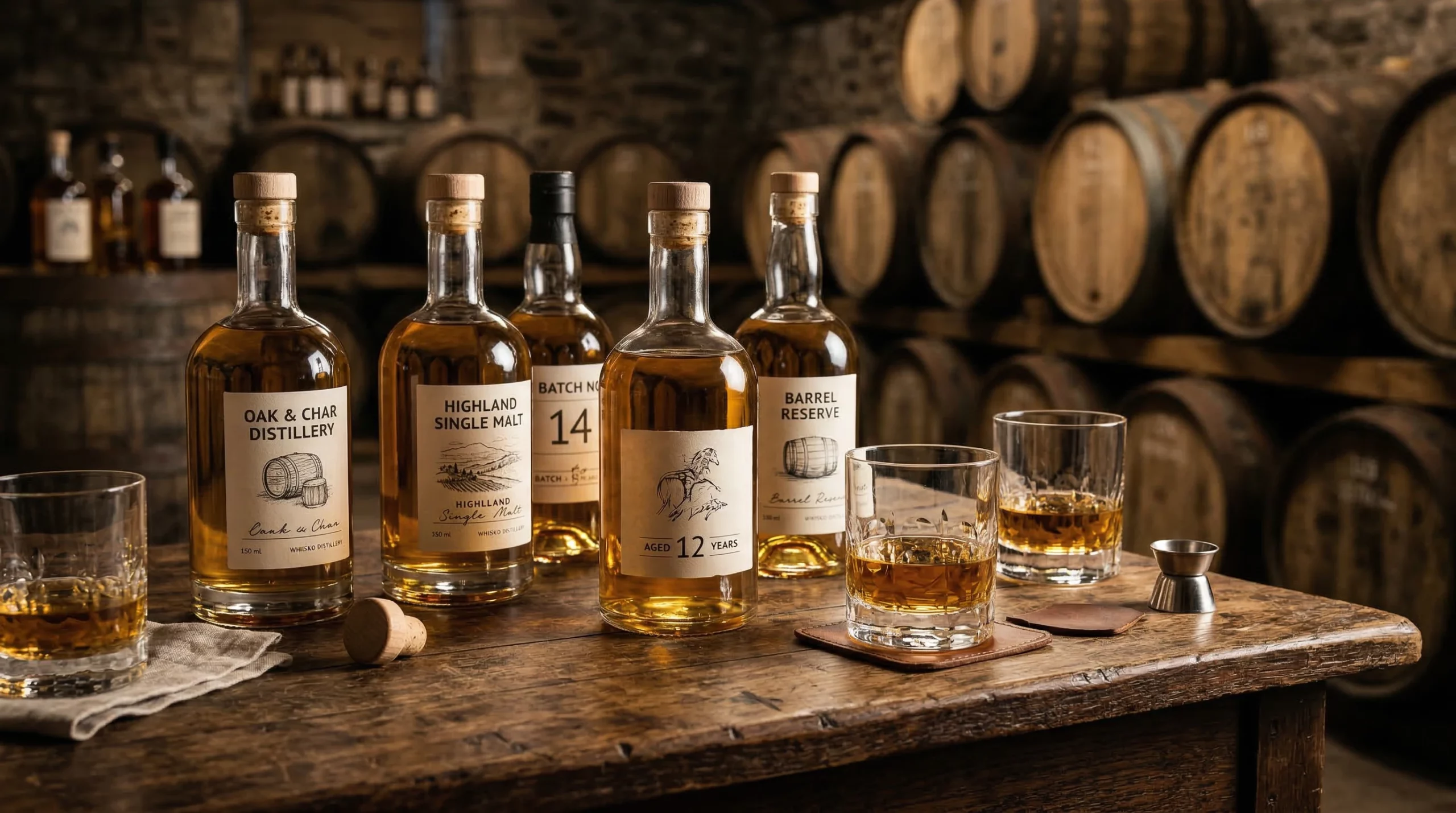
Whisky is a pretty intriguing world to find your way through, especially once you start hearing phrases like “single malt” and “blended” tossed around. I’ve enjoyed learning about whisky for several years and noticed these two types can confuse even seasoned drinkers. Here, I’ll break it all down, talking about what makes each style unique, how they’re produced, and how that might affect the way you enjoy a dram.
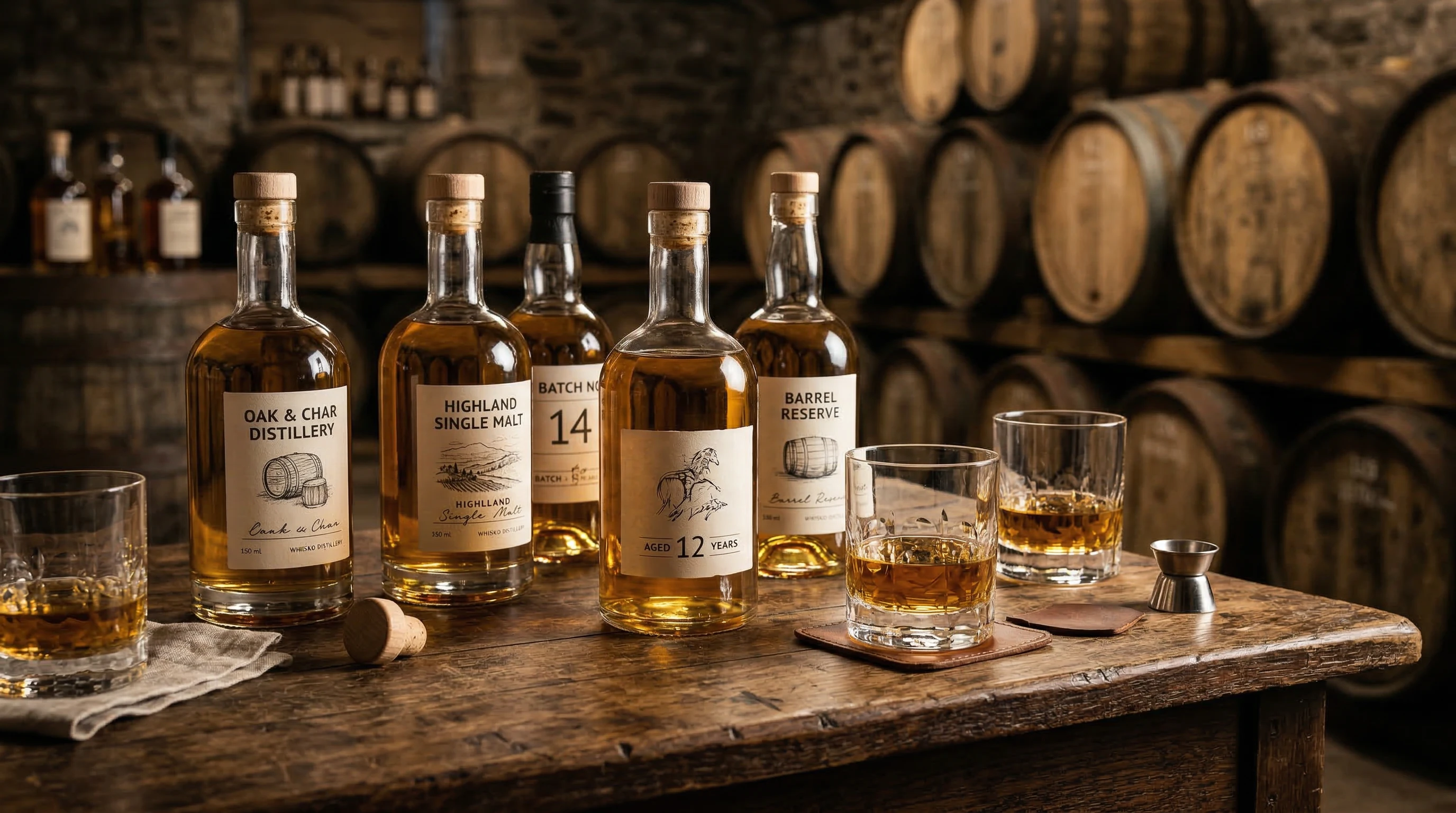
Single Malt vs. Blended Whisky: The Basic Breakdown
When I first started checking out whisky, I often saw “single malt” and “blended” on the labels, but the meaning wasn’t always clear. The difference comes down to the distillery origin, the grains inside, and how they get mixed. Understanding these basic terms helps when you’re at the supermarket, off-licence (do they still exist?) or specialist whisky shop, trying to choose your next bottle.
Single malt whisky is made at one distillery, using only malted barley as its grain. Every drop in the bottle comes from just that place. Blended whisky, meanwhile, means whiskies from different distilleries—or even different grains—are mixed together to achieve a final flavour. Each style has a distinct character and appeals to different whisky fans.
Single Malt Whisky: What Makes It Special?
Single malt whisky stands for tradition and often gets a prestige status among whisky fans. But the name itself is a technical term and simpler than it sounds.
- Single: All the whisky comes from a single distillery. It doesn’t have to come from only one barrel, just one producer.
- Malt: The only grain allowed is malted barley. This brings certain aromas and flavours; think fruity, floral, nutty, or even smoky notes.
Most single malts come from Scotland—brands like Glenfiddich, Macallan, or Lagavulin—but distilleries in Japan, India, and even the U.S. make their own single malts, each putting their own spin on the style, though the core definition stays the same.
How Single Malt Whisky is Made
The single malt process centres on malted barley. The grain is soaked, allowed to sprout, then dried—sometimes over peat smoke for a distinctive flavour—before being mashed with water. Yeast is added to ferment, turning it into a kind of beer. From there, the liquid gets distilled in traditional copper pot stills, usually twice (though some, like Irish whiskey, are distilled three times).
Maturation happens in oak barrels, typically for at least three years, though many single malts age for 10, 12, or even over 21 years. Each cask brings additional layers of flavour: vanilla and caramel from American oak, dried fruits from sherry-seasoned casks, and smoky hints from barrels used in peated whisky.
Why People Like Single Malt Whisky
I’ve found single malts are loved for their unique, often complex profiles that reflect both their location and the habits of the distillery. Some single malts are light and approachable, while others are intense and smoky. Variety comes not just from aging, but also the water source, still shape, and the people making it.
Many whisky fans like to compare single malts from different regions—like the peaty powerhouses from Islay or the gentle, honeyed drams from Speyside. Tasting several side by side really helps you figure out what you enjoy.
Blended Whisky: How Mixing Changes Everything
Blended whisky means bringing spirits together to create balanced, consistent flavours. These whiskies can include both malt whisky (from malted barley) and grain whisky (from wheat or corn). Most everyday drinkers start out with blends, and the world’s best-selling whiskies are commonly blends.
- Blended Scotch: Mixes single malt whiskies with grain whiskies—sometimes from multiple distilleries.
- Blended Malt: Only malt whiskies—still from more than one distillery—mixed together. These are sometimes called “vatted whiskies.”
Brands such as Johnnie Walker, Chivas Regal, and Famous Grouse are among the most well-known blended Scotches. Japanese whisky makers are also celebrated for their blends, adding some interesting options to the mix.
How Blended Whisky is Made
Creating a blended whisky calls for a different set of skills. Master blenders choose dozens (sometimes more!) of different whiskies—both single malts and grain whiskies—to shape a final bottle that’s smooth, approachable, and consistent from year to year. Grain whiskies are usually lighter and act as the foundation, while single malts add distinct flavours to the blend.
Even in blends, age matters. If a blend is labeled as 12 years old, every whisky in the bottle must be at least 12 years old. Blending lets experts steer the character, balancing smoke, fruit, spice, and sweetness to create the target profile.
Why Blends Are Still Super Popular
Blended whiskies often have a mellow, lighter style that’s easy to sip on its own or mix into cocktails. They’re made with a wide audience in mind—and it works! Many people get started with blends, and they’re still my go-to pick when I want something smooth that doesn’t require all my focus and they are ideal for cocktails or with a mixer.
Key Differences: Side-by-Side Comparison
Here’s a quick rundown of the main differences between single malt and blended whisky:
- Origin: Single malt is from one distillery. Blends can involve multiple distilleries and mixed grains.
- Main Ingredients: Single malt only uses malted barley. Blends may mix malted barley with wheat or corn whiskies.
- Flavour Profile: Single malt flavour is shaped by the distillery and region—bold, peaty, or fruity, depending on the style. Blended whiskies are usually smoother, milder, and crafted for consistency.
- Price: Single malts can get pricey, especially for older bottles or rare releases. Blends are usually more affordable, though there are also high-end blends available.
- Popularity: Blends are still the global bestseller by volume, but single malts are gaining in popularity as more people try them.
The Role of Age and Maturation
In both single malt and blended whiskies, age has an impact. The number on the bottle label (like “12 Year Old”) represents the youngest whisky in the blend. Older whiskies typically offer richer flavours, smooth integration, and more depth—with signature notes like oak, vanilla, dried fruit, and warm spices.
Single malt fans often reach for older bottles to enjoy more complexity, while blended whiskies use age to mellow the mix and soften rougher edges. Different barrel types—such as ex-bourbon American oak, sherry casks, or even rum barrels—add more layers to the flavour story.
How Each Style Is Enjoyed
I’ve tasted single malts and blends in all sorts of ways. Here’s what I’ve heard and noticed from other whisky fans and my own experiences:
- Straight: Many single malt fans like to drink it neat to pick up on subtle flavours.
- With Water: Adding a splash of water can reveal hidden aromas and flavours in both types, especially with cask-strength single malts.
- On the Rocks: Lots of people enjoy blended whisky with ice for a smoother, easy-to-drink experience.
- Cocktails: Blends shine in many classic whisky-based cocktails like the highball, whisky sour, or old fashioned, thanks to their soft flavours.
Things to Think About When Choosing Your Whisky
Choosing which bottle to buy isn’t just about what the label says. Here are a few personal tips for picking between single malt and blended whiskies:
- Your Flavour Preference: If you want something bold or peaty, single malt might be your style. Looking for a mellow drink? Blends could be the better option.
- How You Plan to Drink It: Sipping neat or with a touch of water? Or making cocktails? Some single malts might get overshadowed in a cocktail, while blends usually hold their own.
- Budget: Standard blends are generally affordable. Some single malts can be expensive, though there are plenty of budget-friendly single malts out there now too.
- Occasion: Planning a big celebration? Splurge on a single malt. Want something easy to share with friends? Blends work great.
- Experimentation: Taste both styles side by side and see what you enjoy more. Whisky is very personal—there are no set rules!
Blended Malt and Other Variations
Not all blended whiskies are created equal. Blended malt whiskies (sometimes called “pure malt” or “vatted malt”) are blends of single malts with no grain whisky mixed in. This gives you the range and balance of a blend, but with all the richness of malt whisky. Compass Box is one example of a brand doing eye-catching things with blended malts, so check them out.
Common Questions About Single Malt and Blended Whisky
Many folks ask the same questions when first exploring whisky. Here are some answers to the ones I hear most often:
Which is better, single malt or blended whisky?
There isn’t one correct answer. Some people love the complexity of single malts; others prefer to keep a blended bottle on hand. It mostly comes down to what tastes best to you.
Are single malts higher quality than blended whisky?
Not always. There are some really high-quality blended whiskies, and some average single malts. Single malt just means made in one distillery with malted barley. The blender’s skill and the ingredients are equally important.
Can you use single malt whisky in cocktails?
Absolutely. Some awesome cocktails are made with single malt—especially drinks that showcase the whisky itself. Because some single malts are expensive, bars might use blends for regular mixing, but don’t let that stop you from experimenting at home.
Why do certain single malts taste so smoky?
The famous smoky flavour often comes from drying the barley over peat fires—a practice common in certain Scottish regions, especially Islay. Not every single malt is smoky, though; plenty are gentle and sweet.
Is age the most important thing in whisky?
Age can give depth, but that doesn’t mean younger whiskies can’t be vibrant and tasty too. The fun is in trying a range and figuring out which types you like best.
Exploring the World of Whisky: Examples and Recommendations
If you want to compare single malt to blended whiskies, here are some bottles I recommend checking out—they’re widely available and great value for sampling:
- Single Malts to Try:
- Glenlivet 12 Year Old: Classic Speyside with smooth, fruity notes.
- Talisker 10 Year Old: An Isle of Skye standout, smoky with hints of sea spray.
- Yamazaki 12 Year Old: Balanced, delicate Japanese single malt.
- Blended Whiskies to Try:
- Johnnie Walker Black Label: Consistent, gently smoky, good neat or in cocktails.
- Famous Grouse: Sweet, malty, very approachable for sipping or mixing.
- Nikka From the Barrel: A Japanese blend with surprising depth and an excellent price.
Final Thoughts
For whisky lovers, the single malt versus blended debate goes on forever, but each style brings something fresh to the table. Single malts are great for exploring the character of individual distilleries and regions, while blends highlight the skill of expert mixers. Whether you’re grabbing your first bottle to sip neat, or pouring a few whisky highballs for friends, knowing what’s in your glass helps you enjoy it even more.
You do get some “Whisky Snobs” out there who will tell you that only Single malt is worth drinking and to only drink it neat etc… Never let someone else tell you how to enjoy your whisky. Try different brands, different blends and drink them neat, with water, ice or with a mixer. Do you and enjoy the ride.
Trying the two side by side helps you track down what you like most. Whisky isn’t about strict rules—it’s about taste, fun, and sharing. Try new bottles, ask questions, and enjoy what you find. The only “wrong” way to drink whisky is to not enjoy it!
Sláinte
Tony

My name is Tony and I’m the creator of The Whisky Shed, a place where good drams meet good stories. From tasting notes to deep dives into distillery history, I share honest, approachable whisky knowledge for anyone who loves a great pour. Whether you’re exploring your first bottle or expanding a growing collection, my goal is to make whisky simple, enjoyable, and worth raising a glass to. Slàinte 🥃