Whisky’s deep, complex history traces back to the serene yet industrious halls of medieval monasteries. This blog explores how monks not only pioneered distillation techniques for medicinal and spiritual purposes but also laid the foundation for modern whisky craftsmanship. From agricultural self-sufficiency and cultural integration to meticulous recipe preservation and economic trade, monasteries played a pivotal role in shaping whisky as both a craft and a cultural legacy. Today, their influence still echoes in distilleries worldwide, blending ancient tradition with modern innovation.
More Than Just Monks
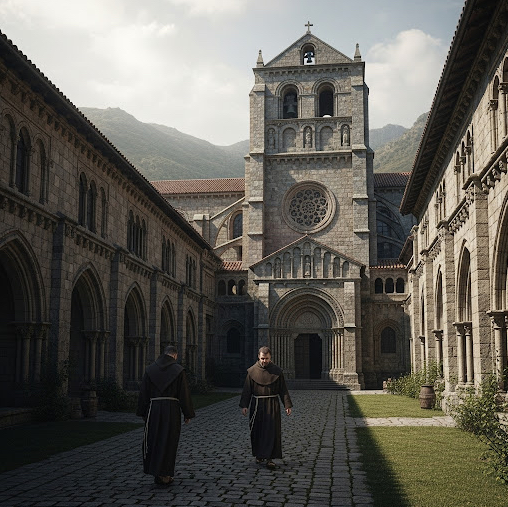
Ever wondered how a sip of whisky can connect us back to ancient times? The roots of whisky production stretch into the halls of medieval monasteries, where monks first explored the art of turning grains into potent potables. These religious houses weren’t just places of prayer; they were bustling hubs of knowledge and innovation.
Monks were some of the early adopters of distillation, a technique they initially used for creating medicines and other herbal concoctions. It wasn’t long before the alchemical art of distillation transformed barley and other grains into an early form of whisky. This technique-laden journey speaks volumes of how these religious scholars were defiantly experimenting within their cloisters.
Monasteries often owned extensive land, paving the way for self-sufficiency. This control over agricultural practices allowed monks to cultivate prime ingredients for whisky, like barley, which would later become synonymous with the drink. This self-reliance wasn’t just practical—it’s the backbone of whisky’s rich flavor profile even today.
The interconnected network of European monasteries played a crucial role in spreading distillation knowledge across borders. Information moved as freely as those seeking religious refuge, creating a European tapestry rich with monastic innovation. Each monastery brought its local twist, giving whisky the diverse styles we cherish now.
Such was the influence of these monasteries that even as secular rule started overshadowing them, the techniques, agricultural insights, and recipes developed within their walls continued to inspire future generations in perfecting whisky production.
Craftsmanship and Techniques: Monastic Influence
Monasteries weren’t just about prayers and spiritual enlightenment. They were hotbeds for learning and craftsmanship, and whisky benefited massively from this environment. Monastic distillation methods cemented the foundation for what would evolve into modern whisky-making techniques.
Within the tranquil walls of these religious communities, monks not only developed their own distillation tools and equipment but honed detailed techniques to ensure quality and consistency. The alembic, an early version of the still, owes much to these artisans in robes. If you think your modern whisky has depth, thank these ancient innovators.
Recipes meticulously written and guarded over centuries meant that each batch of whisky carried a sense of legacy. Some of these practices have made a celebrity-like comeback, with modern distilleries reviving monastic practices as a nod to our storied past. Whether its fermenting the grain with utmost precision or tweaking the ingredients for a subtle difference, monasteries laid the groundwork for what we now appreciate in our tumblers.
Quality control was more than just a practice—it was a kind of monastic creed. Checking temperatures, timing, and ingredients was almost a spiritual duty, ensuring the highest standard with every single bottle. This tradition of taking care of the small details has cemented whisky as a hallmark of quality craftsmanship.
Even as technology raced forward, the monastic imprint on whisky production techniques endures. Recreated alembics and thoughtfully blended flavors are a subtle homage woven through the industry. So next time you enjoy a dram, it might well be a salute to these early master craftsmen carrying their techniques like a prayer through the ages.
Cultural Integration: Whisky in Monastic Life
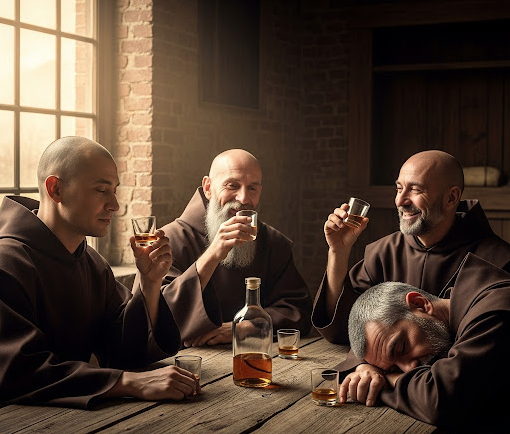
Whisky isn’t just about the liquid in your glass; it’s a cultural artifact steeped in history and ritual, especially within the walls of monasteries. Monks didn’t just distill whisky—they integrated it seamlessly into their daily lives and religious practices.
For many religious communities, whisky was much more than a product. It played a ceremonial role, part of the ritual fabric of monastic life. Whether it was for medicinal purposes or as an offering during sacred observances, whisky had its place by the altar just as much as it did on the workbench.
Economic survival was critical, and whisky transformed into a valuable trade commodity for these religious institutions. Crafting and selling whisky wasn’t merely an economic necessity—it allowed monks to engage with local communities and build networks that extended far beyond monastery walls. Each bottle passed a ripple of monastic reputation through bustling markets and lively taverns.
Cultural exchange was another layer in whisky’s integration into monastic life. Monasteries became centers for sharing knowledge, and monks were some of the earliest ambassadors spreading the gospel of whisky to the outside world. Whether through trade, hospitality, or religious missions, whisky flowed and so did ideas, making these secluded communities pivotal in the vibrant cultural tapestry of the time.
However, as secularization loomed over Europe, the monastic hold on whisky production started to wane, reshaping this rich chapter into more of a historical tale. While their direct involvement may have diminished, the cultural groundwork laid by these monks continues to influence the whisky industry today.
The Preservation of a Legacy: Modern Monasteries and Whisky
Today, monasteries are still synonymous with tradition, but many modern-day orders have found ingenious ways to meld the past with the present in their whisky production. Some monastic communities have continued or even revived the practice, becoming custodians of a time-honored craft.
In a nod to their storied past, contemporary monasteries produce whisky that proudly bears the monastic hallmark. Distilleries within these religious houses focus on preserving ancient recipes while infusing modern expertise and techniques, creating a unique blend of history and innovation in every bottle.
Monastery-branded whiskies have made a graceful comeback, providing a tangible connection to the craft’s historical roots. These whiskies offer more than a taste; they deliver an authentic experience steeped in cultural legacy and artisanal quality.
One can’t overlook the educational aspect that these monasteries have cultivated, inviting the public to tour their distilleries, partake in tastings, and even attend workshops. These initiatives allow connoisseurs and novices alike a glimpse into the enduring legacy and evolving techniques that make monastic whiskies exceptional.
Striking the right balance between maintaining age-old practices and embracing new advancements is the secret sauce for these modern monastic distilleries. Whether by experimenting with ingredients or updating equipment, they continue to honor their heritage while looking to the future.
A Lasting Impact: Monasteries’ Significance in Whisky’s Evolution
Whisky’s journey from medieval monasteries to our modern-day palettes is nothing short of remarkable. The influence of monastic methods is embedded deeply in the fabric of whisky production, serving as a testament to the enduring expertise and craftsmanship of those early pioneers.
Contemporary distilleries may incorporate cutting-edge technology, but many still follow the time-tested recipes and techniques first devised in monastic labs. Such adherence to traditional methods ensures that the spirit and principles of those original monks are very much alive in today’s whisky industry taking us from alchemists to artisans.
Monasteries crafted not just a potent drink, but a cultural legacy that transcends time. Whisky also became a symbol of religious and cultural integration, bridging gaps between disparate communities and cultures through the simple act of sharing a drink.
The monasteries of the Benedictine and Cistercian orders were particularly instrumental in shaping whisky’s history, setting standards and creating traditions that persist across centuries. This historical narrative offers both inspiration and insight to anyone enchanted by the storied world of whisky.
Appreciating whisky is about more than enjoying a fine spirit; it’s about recognizing the layers of history that each barrel represents. From its divine inception in monastery halls to its exalted status today, whisky is a narrative of passion, perseverance, and innovation—a true testament to the power of cultural heritage.
Thanks for reading The Role Of Monasteries In Whisky Production. While you’re here why not check out Where Did Whisky Originate?
Until next time, have a tipple and thank the monks for the lovely nectar in your glass!!
Tony

My name is Tony and I’m the creator of The Whisky Shed, a place where good drams meet good stories. From tasting notes to deep dives into distillery history, I share honest, approachable whisky knowledge for anyone who loves a great pour. Whether you’re exploring your first bottle or expanding a growing collection, my goal is to make whisky simple, enjoyable, and worth raising a glass to. Slàinte 🥃