Irish whiskey has had one of the most dramatic rollercoaster rides in spirits history. It went from being the top dog worldwide to nearly disappearing completely in the late 20th century. Now, Irish whiskey is seeing a revival that blends respect for age-old traditions with a wave of fresh, creative thinking. Whether you’re curious about the best Irish whiskey brands or what new distilleries are popping up across the Emerald Isle, there’s a lot worth exploring in this thriving scene. If you’re a whiskey enthusiast or just getting started, Ireland’s whiskey story is one of both tradition and reinvention.
A Spirit’s Fall and Comeback: Irish Whiskey’s Wild Ride
Irish whiskey was the world’s favourite back in the 1800s. People from New York to Australia enjoyed bottles shipping out from Cork and Dublin. But things took a turn, and not a gentle one. Trade wars with Britain, the US Prohibition era (which cut off a huge market), and major world wars all helped crush what was once a booming industry. Irish whiskey had carved out a global following, but the landscape shifted rapidly and harshly for Irish distillers.
By the early 1980s, only a handful of distilleries were still standing. Midleton, Bushmills, and Cooley were about all that was left. The industry was on the edge of vanishing. But then came a quiet but steady comeback. New investment, global marketing, and a bit of luck helped Irish whiskey surge back, catching the attention of drinkers who wanted something smoother and unique. As interest in world whiskeys grew, so did attention on Ireland’s storied spirit.
Heritage: OldSchool Craft Meets Regional Pride
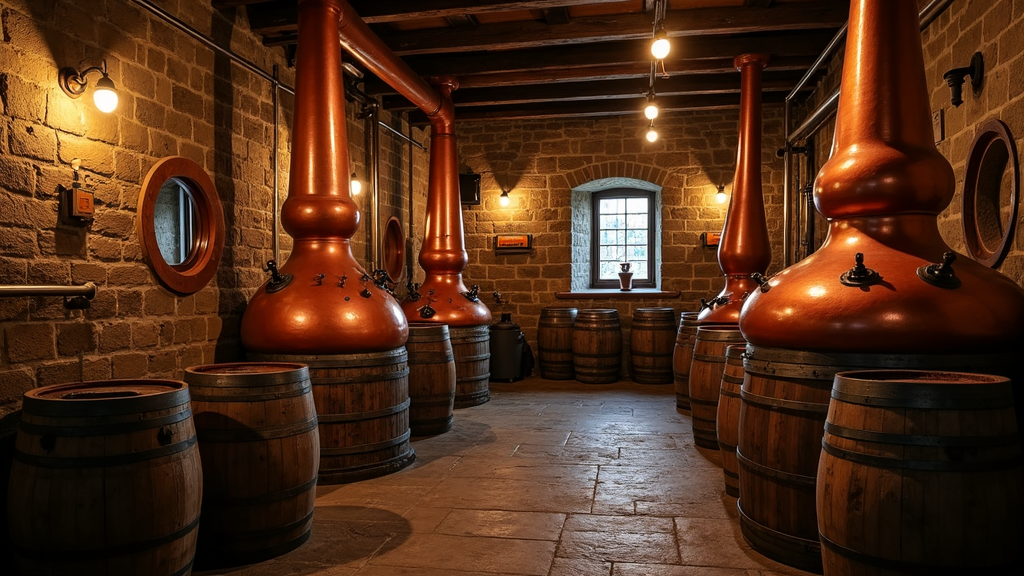
Some of the world’s oldest distilleries live in Ireland. I’ve always thought a visit to Bushmills or the giant Midleton operation in Cork would be a real treat for any whiskey fan. These spots still use classic techniques you won’t find just anywhere, like triple distillation in traditional copper pot stills. This process gives Irish whiskey that famed silky smoothness—something distinct from other spirits.
You’ll find single pot still whiskey taking centre stage now, after almost disappearing in the 20th century. It uses a mix of malted and unmalted barley, and honestly, there’s nothing else quite like it on the shelf. Regional identity is a big thing too. Towns like Dingle on the wild Atlantic coast or historic Dublin and Cork have local brands putting a real stamp on what Irish whiskey feels and tastes like. It’s not just about the whiskey; it’s also about where it comes from and the community around each bottle. The landscape, climate, and history all mix together to give each region’s whiskey something special.
Craft: The New Wave of Independent Distillers
There’s been a huge rise in independent and new Irish whiskey distilleries. These aren’t just small batch craft whiskeys; they’re experiments in local ingredients, unique stories, and new traditions. Dingle Distillery, for example, makes whiskey that’s highly soughtafter, thanks to its Atlantic climate and artisanal approach. Teeling brought distilling right back to Dublin after decades away. In the northwest, Connacht Distillery is exploring how different weather and local grains affect flavour, while The Shed in Drumshanbo is mixing up everything from classic single pot still to spiced expressions.
These newer players are often laser focused on sustainable Irish whiskey production, using locally grown grains and even partnering with regional farmers. There’s a ton of pride in terroir (how the land shapes flavor), which is something longtime fans and new whiskey drinkers really appreciate. Sustainability goes hand in hand with craft—many distilleries incorporate ecofriendly practices to protect the land their grains come from. This new movement isn’t just about making whiskey but about strengthening local communities and honouring the land’s bounty.
Innovation: Where Classic Meets Experimental
Irish whiskey innovation is taking off thanks to an appetite for something different. Now you can spot bottles finished in IPA beer casks, rum barrels, Bordeaux wine barrels, and even chestnut casks. Some distilleries riff on the traditional mash bill, blending grains in ways nobody would have tried before. The willingness to experiment is making Irish whiskey one of the most eye-catching ranges in the world.
There are cool collaborations between Irish whiskey makers and both local craft brewers and distilleries overseas. Plenty of these new ideas come from having access to better technology. Controls let master distillers fine tune aging, manage barrel impact, and keep the process more ecofriendly. It’s clear that for Irish whiskey, experimentation and sustainability are closely linked. As more drinkers look for green practices and bold flavours, Irish whiskey distilleries are answering the call. Collaboration with breweries has led to cask-finished releases that appeal to adventurous palates. The cross-pollination between whiskey and other spirits or beer continues to push boundaries.
Worldwide Buzz: Irish Whiskey’s Cultural Return
The Irish whiskey revival isn’t just a local story. Exports have exploded, especially to the United States, the EU, and growing Asian markets. Whiskey tourism is a big deal now. Ireland now boasts dozens of distilleries offering guided tours, tastings, and hands-on blending sessions. Festivals like Whiskey Live Dublin and Belfast Whiskey Week draw huge crowds every year, celebrating both local and international appreciation of Irish whiskey’s unique qualities.
More Irish whiskey is showing up in premium cocktail bars, and it’s playing a part in movies, music, and pop culture. Plus, educational efforts like whiskey societies and masterclass events are drawing in everyone from beginners to lifelong whiskey nerds. If you’ve ever wondered why Irish whiskey is making a comeback, the answer is in this perfect storm of worldwide interest, cultural pride, and a sense of discovery. The industry’s growing reputation has also helped Ireland’s tourism, encouraging thousands of visitors to explore distilleries and connect with Ireland’s vibrant culture.

The Movers and Shakers: Brands Behind the Revival
Several best Irish whiskey brands are leading this return to glory. Jameson is by far the biggest name, with smooth, approachable blends that appeal to a wide crowd. Redbreast and Powers are all about traditional single pot still whiskey, while Bushmills is famous for its tripledistilled single malts from Northern Ireland. Midleton, the home of brands like Green Spot and Method & Madness, cranks out both heritage and cutting edge styles. These brands are keeping Irish whiskey in the spotlight at home and abroad, and are credited with introducing generations of new drinkers to the scene.
Among the newer trailblazers, Teeling stands out for bringing whiskey distilling back to Dublin and for pushing flavour boundaries. Waterford obsessively focuses on terroir, making “single farm origin” whiskeys that taste like a specific field of barley. Roe & Co and Method & Madness mix innovation with oldschool roots, often with wild cask choices or unusual grain bills.
The Irish Whiskey Association, a trade group, plus government support for tourism and exports, are both helping make this revival sustainable and competitive on a global stage. Support for education and training has also grown, creating more opportunities for future distillers and ensuring quality standards remain high.
What’s Next for Irish Whiskey?
The Irish whiskey industry is expected to keep growing rapidly in the next decade. With new Irish distilleries opening well into 2026 and beyond, there’s no shortage of fresh faces joining the landscape. Many distilleries are hiring young distillers who bring new ideas but still respect what’s worked for centuries. The mix of youth and tradition promises exciting whiskeys and bold new experiments.
One of the big challenges is balancing all the heritage that draws people in with the tweaks and innovations that keep things interesting. Sustainability is another hot topic. Distilleries know they need to protect the water, land, and grain supply for the long haul, and several are already carbon neutral or getting there soon. Environmental responsibility isn’t a trend—it’s becoming a necessity for modern distilleries who want to keep crafting for generations to come.
Some people are predicting even more regional diversity, with certain parts of Ireland known for peatier styles, others for big sherry cask finishes, and still others for light and floral flavours. As for best Irish whiskey brands, it’s anybody’s guess which names will be at the top in another decade, but there’s little doubt both heritage returnees and daring newcomers will keep making waves. Keep an eye out for whiskey bars or shops showcasing local releases from emerging Irish distilleries—sometimes, those small-batch bottles are the most memorable finds.
Catching the Liquid Renaissance
Irish whiskey’s comeback is a fusion of deep roots, small batch craft, and a willingness to shake up what’s expected. Whether you stick with old favorites like Redbreast or branch out with something like Teeling’s cask experiments, there’s never been a better time to be an Irish whiskey fan. Even just exploring distillery tours or joining a tasting class can give you a real feel for what’s happening in Irish whiskey right now. Take in the sights, smells, and stories—every dram has a story to tell.
Getting to know both legacy brands and newwave innovators is a rewarding adventure. Ireland has absolutely earned its spot as a whiskey powerhouse again, and with each bottle you uncork, you’re taking part in this spirited revival. Whether you’re enjoying a dram at home or touring a countryside distillery, the excitement around Irish whiskey is tangible, and it’s well worth savouring every sip. Whiskey enthusiasts around the world are taking notice, and Ireland’s legacy is shining brighter than ever.
Quickfire Q&A: Your Irish Whiskey Questions Answered
What makes Irish whiskey different from Scotch or American whiskey?
Irish whiskey is usually triple distilled, making it super smooth, and often uses a mix of malted and unmalted barley. Most are generally a bit lighter and less smoky than Scotch, and not as sweet as bourbon. These differences make Irish whiskey a great entry point for new drinkers while offering plenty of complexity to satisfy experienced fans.
How do I choose a good craft Irish whiskey for a gift?
Look for small batch releases or distilleries with a strong local reputation. Dingle and Drumshanbo, for example, both produce unique whiskeys with beautiful packaging; pretty handy for gifts. Check out limited editions or cask strength bottlings for an extra special touch.
Is Irish whiskey tourism worth planning a trip around?
Definitely. Distillery tours, whiskey festivals, and even smaller tasting rooms let you see the craft up close and try bottles you often can’t find outside Ireland. Many distilleries also offer immersive experiences, from blending your own whiskey to learning about the history of the craft in atmospheric old buildings. It’s a unique adventure for any spirits lover.
Which new Irish distilleries should I be watching?
Dingle, Teeling, Waterford, and Connacht are four that keep making headlines for both quality and new ideas. Keep an eye out for even more to open by 2026, as the Irish whiskey scene looks set to keep expanding. Smaller outfits are especially interesting, often releasing creative, terroir-focused whiskeys that really set them apart.
So, grab yourself an Irish Whiskey of your choosing and explore the delights from the emerald Isle!
Sláinte
Tony

My name is Tony and I’m the creator of The Whisky Shed, a place where good drams meet good stories. From tasting notes to deep dives into distillery history, I share honest, approachable whisky knowledge for anyone who loves a great pour. Whether you’re exploring your first bottle or expanding a growing collection, my goal is to make whisky simple, enjoyable, and worth raising a glass to. Slàinte 🥃