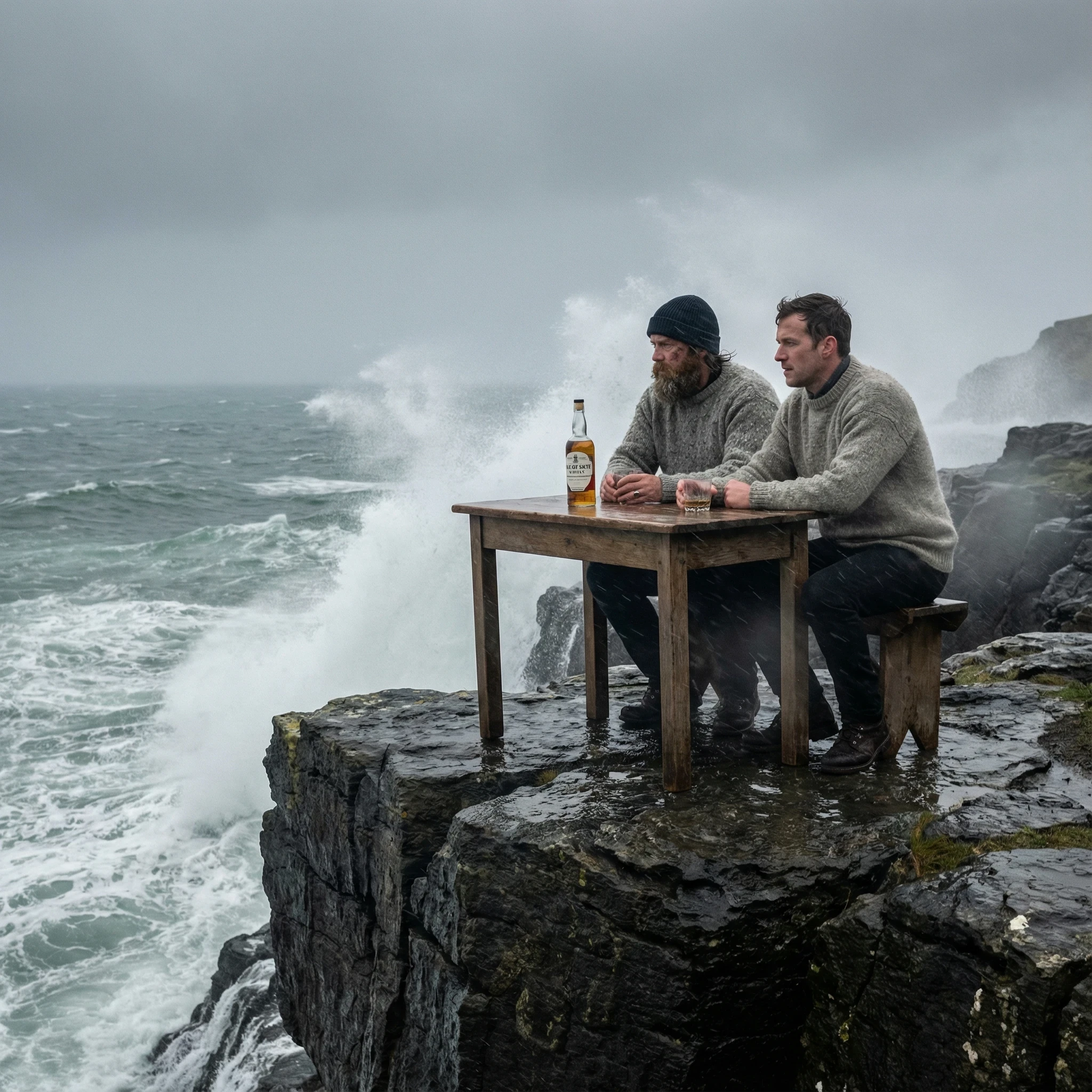
Salt spray in the air, wild seas crashing onto dark rocks, and wind that never quite stops. There’s something very different about whisky from Scotland’s islands. These places might seem almost cut off from the rest of the world, but in the glass, island whiskies share the story of their home in every sip. If you’ve ever wondered why no two island whiskies taste quite the same, it’s because the elements shape them just as much as the hands of the distillers do.

Whisky Born of the Elements: Setting the Scene
Whenever I pour an island whisky, I picture battered harbors and lonely lighthouses standing firm against the gale. Scotland’s island region isn’t actually an official whisky category like Speyside or Islay, but it’s a term whisky fans around the world know well. When you hear “The Islands,” it generally refers to Scotch whiskies from Skye, Orkney, Jura, Mull, Arran, and now also from newer spots such as Raasay.
What truly brings these distilleries together isn’t paperwork or some panel of experts. It’s a sense of place; a fingerprint left by wild weather, salty air, and that feeling of being tucked away from the mainland. In whisky, this is where the elements really leave their mark and the result is a style completely distinct from other regions.
What Sets an Island Whisky Apart?
The Scottish coastal weather is famously unpredictable. In just a few hours, you’ll likely have driving rain, bursts of sun, sea fog, and those brisk breezes that carry ocean scents across cliffs and fields. When whisky matures under these conditions, it’s exposed to changes that you just don’t see hundreds of miles inland.
Salt spray and high humidity seep into every inch of an aging warehouse. Sometimes you’ll find whisky barrels just meters from where the waves break. The changing temperatures force whisky deep into the cask wood, adding a unique, often faintly briny edge to the spirit that can set it apart from any other region. Some believe this proximity gives the whisky a real taste of the sea. While opinions vary on how much this effect does, I find it’s something you can often pick up when tasting these whiskies.
Island traditions go deep, shaped by centuries of isolation and a strong sense of self-reliance. Peat, for example, plays a massive role, though every island puts its own spin on how it’s used. Skye’s peat is peppery and bold, Orkney’s is sweet and floral, Mull’s is funky and full of maritime energy. There’s creative freedom here, as the mainland whisky rules don’t strictly shape island practices. There’s a see-it-your-own-way attitude among island distillers, always ready to mix things up or stick to what’s tried and true.
Island Whisky Flavours: What Shows Up in the Glass?
When you sip whisky from the islands, certain flavours tend to pop up often, though each bottle can surprise you. Here are some classic themes and how island drams really let them shine:
- Maritime notes: Imagine salty sea air, seaweed, driftwood, and the light taste of brine. Not every whisky includes all of these, but even a little hint can pull your mind right to the coast.
- Smoke: Peat is a big deal. Some, like Ledaig or Talisker, hit hard with campfire smolder and peat reek. Others—Highland Park, for instance—use peat to give gentle smoke that’s layered with blooms and honey.
- Herbal & earthy: Wild heather, pine, gorse, wet stone, and even fresh earth all pop up, often due to the plants growing wild on these islands or the makeup of the local peat.
- Sweetness: You might notice honey, malt, toffee, or even orchard fruit. This is very much distillery-specific. Arran tends to be light and fruity, while Jura goes more for nutty, caramel touches.
All these flavours come together from the environment—the wild storms, salt-laden winds, peat bogs built up over centuries, and the individual approaches of the makers themselves. That’s what makes every glass feel a bit like a postcard from somewhere remote and wild.

Spotlight on Classic Island Distilleries
I’ve spent plenty of evenings exploring whiskies from classic island distilleries and a few exciting new names. Each distillery puts its mark on island character. Here’s a quick island tour, with what I look for and some fun details about each one:
- Talisker (Isle of Skye): Famed for its peppery snap and layers of smoke. There’s brine, a subtle BBQ tang, and a general sense of wildness. “Made by the sea” sums up the drinking experience perfectly.
- Highland Park (Orkney): Renowned for balanced smoke and heather-honey sweetness. Orkney peat, full of heather, gives the smoke a smooth, sweet edge. Their distillery story taps into Viking heritage, giving it extra flair.
- Scapa (Orkney): Flies a bit under the radar—think pears, apples, smooth honey, and just a whisper of smoke. Scapa proves that some island whiskies lean toward the gentle side.
- Jura (Isle of Jura): Blends light smoke, coastal breezes, and nutty, oily warmth. Expect roasted nuts, caramels, and memories of beachside fires on rainy nights.
- Tobermory / Ledaig (Isle of Mull): Tobermory is all about fresh fruit and malt, light and lively. Ledaig is the bolder twin, bringing big smoke, salt, and an intensely memorable wild spirit.
- Arran / Lochranza & Lagg (Isle of Arran): Lochranza offers bright, orchard fruit and gentle sea touches without lots of smoke. Lagg, the island’s newer entry, gets bold and modern, making peated releases packed with flavour.
- Isle of Raasay: The youngest in this group, but already has both peated and unpeated styles making waves. Their signature is fresh grains, light smoke, and a style that’s both traditional and daring.
With each of these distilleries, you get a different chapter of the larger island whisky tale. Some focus on gentle ocean vibes; others deliver punchy smoke or fruit. There’s always something out there that’ll match your mood—or even surprise you.
How Island Whisky Compares to Other Scotch Regions
If you’re coming from a background of Speyside whiskies filled with honey and orchard fruit, or love the smoky edge of Islay, island whisky might feel like new territory. Here’s how it stacks up alongside Scotland’s better-known whisky regions:
- Less sweet than Speyside: Vanilla and dried fruits are less prominent. The fruit that’s here is often baked apple or a lick of honey, but you get lots more herbal and mineral touches than on the mainland.
- Less medicinal than Islay: Island peat rarely veers into the world of “bandages and iodine.” The smoke may be powerful, but it’s generally fresher, lighter, and more nuanced.
- More of the coast than the Highlands: Even compared to coastal Highland malts, island drams magnify the brine, sea air, and tangy ozone freshness you might catch standing on a sea cliff.
For many whisky lovers, island drams form a sweet spot: enough richness and smoke to satisfy, but fresh and distinctly salty in a way you can’t find anywhere else. It’s a pretty exciting crossroads if you want the best of both smoky depth and lively coastal energy.
The Environmental Magic: How Waves & Wind Shape the Spirit
In whisky circles, there’s a romantic idea that a dram can taste of crashing waves and gusty weather. Science aside, the setting does matter more here than almost anywhere else.
Sea air carries saltwater almost directly to the aging warehouses, swirling around the casks and seeping a little into the staves over decades. There’s a steady humidity that bottlenecks extremes, keeping aging slow and the spirits fresh, helping flavours grow well over years. With the mild winters and cooler summers, whisky from the islands matures gently—locking in distinct local notes without “overcooking.”
Of course, some debate exists on whether literal salt gets into the whisky, but for me, it’s a mix of imagination, setting, airflow, and the sense of place that makes island whisky feel perfect for sipping outdoors as waves hit distant stones. That marriage of environment and spirit is the magic that island whiskies deliver in every sip.
My Picks: Island Whiskies for Every Adventure
Building an island whisky collection at home brings plenty of surprises. Each bottle brings its own twist and personality. If you want to try a range—starting soft and going bold or simply matching your mood—here’s a solid lineup to keep things interesting:
- BeginnerFriendly
- Highland Park 12: Featherlight peat, honey, dried fruit, and heather. It’s easygoing and always crowd-pleasing.
- Arran 10: Crisp, orchard-focused, and has that subtle coastal freshness that’s never too smoky.
- Intermediate
- Talisker 10: Famous for pepper, brine, and an assertive—but balanced—smoky punch.
- Tobermory 12: Bursting with lively malt, juicy fruits, and a fragrant sea whisper.
- Jura 12: Nutty, rich, and touched by coastal smoke lasting through every sip.
- Smoky Adventurers
- Ledaig 10: Funky, peaty, black pepper, and stuffed with untamed island personality.
- Talisker Storm: All about spice, maritime rushes, and a boosted briny wallop. Not for the faint-hearted.
Mix up styles to find out what side of the island flavour spectrum you love most—sweet, brined, or super smoky. Each bottle gives you a new aspect of “island life.”
Food Pairings & How to Drink Them
Island whiskies shine with the right foods. These pairings will really step up those unique coastal flavors:
- Seafood: Smoked salmon and salty oysters are perfect for Talisker or Ledaig, while Arran stands out alongside scallops or lobster. White fish or even mussels in a buttery broth go well with lighter island malts.
- Salted chocolate: This combo gives rich cocoa and a bit of salt, balancing beautifully with Highland Park or Jura’s sweet-smoky style.
- Charcuterie and smoked meats: Peppery sausages, smoked ham, and pâté all match up nicely with robust, peated drams.
- Nutty cheeses and toasted bread: A firm cheddar or smoky hard cheese with rustic bread can reveal nutty notes in Jura or Tobermory whiskies you might miss otherwise.
When pouring your dram, go for a tulip-shaped glass—the kind that holds the aroma. This glass lets you pick up on subtle layers and ocean hints you might otherwise miss. Try your whisky neat first, then add a splash of water to see how it opens up. And if you can sip with a seaside view—or just a window cracked and the sound of waves on in the background—all the better.

The Spirit of the Sea: Why Island Whisky Feels Different
Every time I settle down with a bottle from Skye, Orkney, Jura, or Mull, I feel a little swell of wanderlust. Island whiskies are rugged and sometimes wild, always close-knit with their landscapes, climates, and local traditions. Even if you never make it to a windswept headland or cozy up in a battered seaside pub, you’ll still catch a bit of the islands’ story in your glass.
If what interests you is tracking down how place shapes taste and aroma, these islands are absolutely worth getting into—even if you’re just starting your whisky adventure. My own first Talisker was by a windy window in Edinburgh, where brine and pepper made me feel right at the edge of the world. Every bottle since brings back that mix of sea, wind, and wide-open horizons that island whisky does so well.
Don’t just take my word for it, try for yourself!
Until next time
Slàinte
Tony

My name is Tony and I’m the creator of The Whisky Shed, a place where good drams meet good stories. From tasting notes to deep dives into distillery history, I share honest, approachable whisky knowledge for anyone who loves a great pour. Whether you’re exploring your first bottle or expanding a growing collection, my goal is to make whisky simple, enjoyable, and worth raising a glass to. Slàinte 🥃