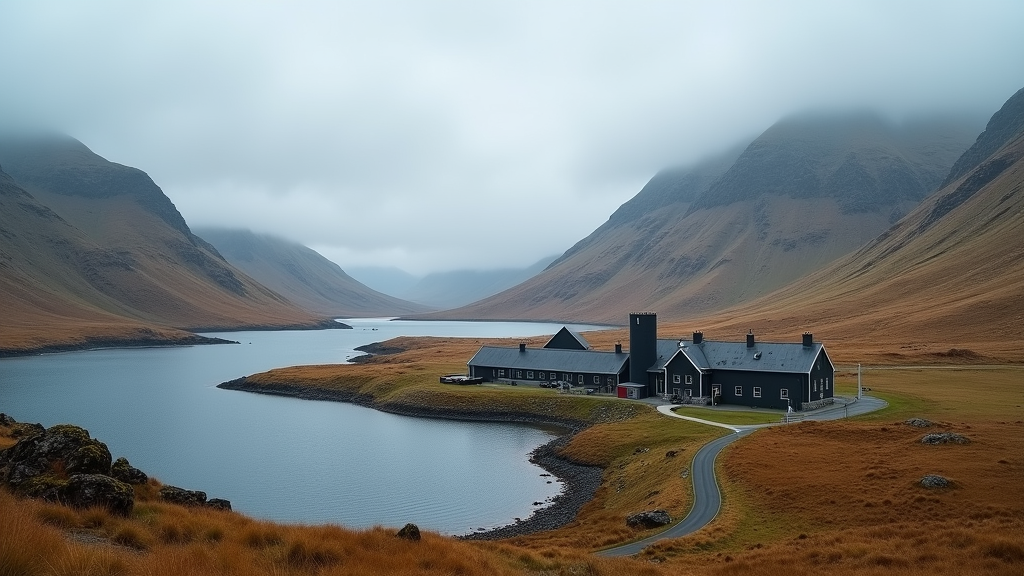
The Scottish Highlands have always felt like a world apart. When it comes to whisky, this dramatic landscape has something nobody else can match: diversity and range from windswept coasts to rugged, misty mountains. If you’re searching for a region of Scotland where geography, weather, and centuries-old tradition come together to create bold and varied drams, you’ll stumble upon it among the Highland distilleries. From coastal breezes to mountain mist, the Highlands offer a whisky experience like no other.
Understanding the Highland Whisky Region
The Highlands cover a massive area, taking up about a third of Scotland’s mainland and stretching north from Perth through a tapestry of towns, glens, and islands. Look at any Scotch whisky map, and you’ll spot the Highlands as the largest whisky-producing zone in Scotland. Compared with smaller regions like Islay or Campbeltown, the scope of Highland whisky truly stands out. Industry groups and Scottish law both include “Highland whisky” as a legal term, but sometimes the border gets a little fuzzy, especially close to Speyside, where a few distilleries blur the line.
To make sense of it all, it helps to view the Highlands in smaller pieces. The Northern Highlands feature remote coastlines and fertile farmland. The Western area hugs the salty Atlantic, while the East enjoys touches of warmth and lively fruit flavors. Central Highlands are often wild, elevated, and cool, and the southern edge sometimes shares traits with Speyside drams. This quilt of locations gives Highland whisky its massive variety. Every distillery in the region brings its own story to the glass.
What Makes Highland Whisky Unique?
Every Highland whisky is distinctive, but there are themes you’ll pick up on in their flavors. A Highland single malt might be light, grassy, and floral, or it could lean toward peaty, smoky, and rich with spice. The region’s varied climate, water sources, and long-standing methods—passed down through generations—drive these differences from place to place.
Spring water bubbling up from granite or tumbling off the hills delivers minerals and unique layers. Distilleries near the coast absorb sea-salt tang and even whispers of seaweed, thanks to ocean breezes drifting right through warehouse walls. Up in the mountains or high glens, maturation slows due to the chill, giving the spirit extra time to soak up flavors from the barrel. Aging in ex-bourbon, sherry, or wine casks leads to a spread of creamy, nutty, fruity, or oaky profiles. Each dram gives you a sense of its birthplace, letting you track down flavors linked to both nature and tradition.
If you ever get the chance to taste multiple Highland whiskies side by side, you’ll notice how different they feel even before the first sip: the aroma, the mouthfeel, the finish—all can swing wildly. It’s proof of how important local microclimate and time-tested processes continue to shape the Highland style.
Key Highland Distilleries Across the Region
Many of Scotland’s best-loved whisky brands are rooted in the Highlands. Here are some worth checking out, grouped by region for your whisky adventures:
- Northern Highlands
- Glenmorangie – Famous for elegant, fruity malts from their super tall stills. The hard water from Tarlogie Springs lends a pure, mineral note. Their original 10-Year-Old is a crowd-pleaser.
- Dalmore – Known for rich sherried malts bursting with orange and spice. Their sherry cask maturing process makes every bottle taste next-level cool.
- Eastern Highlands
- Royal Lochnagar – Located near Balmoral Castle, this distillery produces light, fresh whisky with crisp malt, orchard fruit, and a splash of toffee—named for its royal roots.
- Glencadam – Well-liked for its zesty, lemon character and smooth mouthfeel. The 10-Year-Old is an approachable choice if you’re new to Highland whisky.
- Western Highlands
- Oban – Though it sits in a town, Oban is right on the wild coast. Its single malts bring sea salt, citrus, and a wisp of smoke. The 14-Year-Old is widely respected, especially by those who love coastal drams.
- Ben Nevis – Beneath the highest mountain in the UK, this distillery produces robust, oily whisky with flavors of toffee, fruit, and subtle peat.
- Central Highlands
- Edradour – Scotland’s smallest traditional distillery stands out for concentrated, sherried malts with nutty, dense layers. Their 10-Year-Old is a favorite with those craving dessert-like richness.
- Blair Athol – Marked by dried fruit, spicy oak, and a touch of herbal flair. Known as the backbone malt in Bell’s blends, its single malt releases deserve their own spotlight.
- Southern Edge
- Tomatin – Just south of Inverness, Tomatin presents soft, stone-fruit flavors on a creamy, grainy canvas. Rare port-wood and sherried releases deliver extra depth.
Comparing Highland Sub-Regions: Coast to Mountain
Tasting your way across the Highlands quickly reveals the range on offer. Coastal distilleries like Oban put out drams with briny hints and a refreshing snap that feels like the ocean breeze itself is in the glass. West Highland whiskies often show off a touch more smoke. Head inland or up to the mountains, and you’ll spot lighter, more floral, or even waxy flavors—thanks in part to high altitude maturation and cooler warehousing. Distilleries such as Glencadam and Blair Athol produce malts that mellow and smooth out with age.
As for peat, it’s patchy across the region. While a handful—such as Ben Nevis—embrace smoky, earthy peat, the majority rely on spices, honey, fruit, or sherry cask depth instead. What matters most is that every Highland whisky has its own character, so the best way to get a feel for the region is simply to taste widely and see what speaks to you.
Planning a Highland Whisky Adventure
If a Highland whisky adventure tempts you, there’s a host of scenic trails and winding back roads waiting for a visit. The North Coast 500 route is an ideal place to start, blending distillery visits with breathtaking Highland scenery. Or, check out the Oban to Fort William corridor to mix in some mountain heights with your whisky tastings. The best time to go is from spring to autumn, when the weather is a bit more cooperative, and distilleries are bustling with activity.
It’s wise to book your tours or tastings ahead, especially if you plan to tour smaller sites like Edradour. Along the way, mix whisky with local food: try cheeses from Highland dairies, local smoked salmon, or hearty beef from rugged pastures. Castles, hill walks, and lochside views are easy to pair with your tasting trip since most distilleries sit near iconic sights. Renting a car is the most flexible for a big adventure, but trains and buses reach many major towns as well, making it easy even for folks who want a slower pace.
Highland Whisky on the Global Stage
Highland whisky has made its mark far beyond Scotland. Single malts from here, such as Glenmorangie and Dalmore, rank among the world’s most recognized and collectible bottles. Collectors hunt rare cask editions and limited releases, but even the entry-level bottles are excellent for starting out. Highland distilleries often hold fast to old techniques like slow fermentation and manual stills, combining traditional craft with a willingness to experiment—for example, by trying new cask types or investing in sustainable practices to give their whisky a boost for the future. The result is a region that not only defines what Scotch can be, but also helps steer global whisky trends.
It’s not surprising that Highland Scotch remains among the top whisky exports worldwide. Whether you’re new to Scotch or looking to add something special to your collection, the Highlands have something to offer.
Why Highland Whisky Is Worth Exploring
No single Scottish region encompasses such a spread in flavor, style, and setting as the Highlands. The beauty is in the endless choices: one bottle will be light and honeyed, the next smoky or sherry-rich, all thanks to local environment and tradition. If you’re just starting your whisky adventure, sampling across Highland subregions is a fun way to learn how landscape and culture shape a dram. Gather friends, line up a tasting of three or four Highland single malts, and compare how the character changes from coast to mountain. With every glass, there is more to stumble upon in terms of aroma and flavor, making Highland whisky a never-ending delight for curious palates.
And best of all, new bottles and distilleries appear each year, meaning there’s always something exciting to seek out. The diversity and tradition of Highland whisky truly set it apart in the Scotch world.
Highland Whisky FAQ
Here are some frequent questions whisky fans ask about Highland whisky and traveling in this super detailed region:
What is Highland whisky?
Highland whisky refers to single malt Scotch made in Scotland’s Highland region. It’s a huge category, offering a vast range of styles and flavors shaped by local scenery and changing weather.
How does Highland Scotch compare to Islay or Speyside?
Highland whiskies are usually bolder or heartier than the softer, fruitier malts from Speyside and less peaty than heavily smoky Islay whiskies. You’ll spot more diversity in the Highlands than anywhere else in Scotland, so there’s lots to explore.
Are all Highland whiskies peated?
No, most Highland malts are low in peat, focusing on honey, fruit, or spice. Some, like Ben Nevis or Ardmore, set free a little more peat for a smoky twist, but this varies a lot by distillery.
What is the smoothest Highland whisky?
Glenmorangie Original is famous for its smooth, citrus freshness. Glencadam and Tomatin also rate highly for their soft, approachable sips. The “smoothest” choice is personal, so try several to find your favorite.
Can you tour Highland distilleries?
Yes, most welcome visitors for tours, tastings, or even blending experiences. Always check opening times and book ahead if you can, especially for smaller or remote distilleries.
Do Highland whiskies cost more than others?
Prices run the gamut. Big-name bottlings from Dalmore or rare, cask-finished whiskies can be pricey, but Glenmorangie, Tomatin, and others offer great choices at every budget.
What food pairs well with Highland whisky?
Scottish smoked salmon, hearty cheddar, and traditional oatcakes all play well with Highland drams. Richer whiskies also match up with desserts that feature nuts, caramel, or fruit.
Thanks for reading The Highlands: Whisky Diversity From Mountain To Coast, why not check out my post on Speyside Whisky.
Until next time
Slàinte

My name is Tony and I’m the creator of The Whisky Shed, a place where good drams meet good stories. From tasting notes to deep dives into distillery history, I share honest, approachable whisky knowledge for anyone who loves a great pour. Whether you’re exploring your first bottle or expanding a growing collection, my goal is to make whisky simple, enjoyable, and worth raising a glass to. Slàinte 🥃