
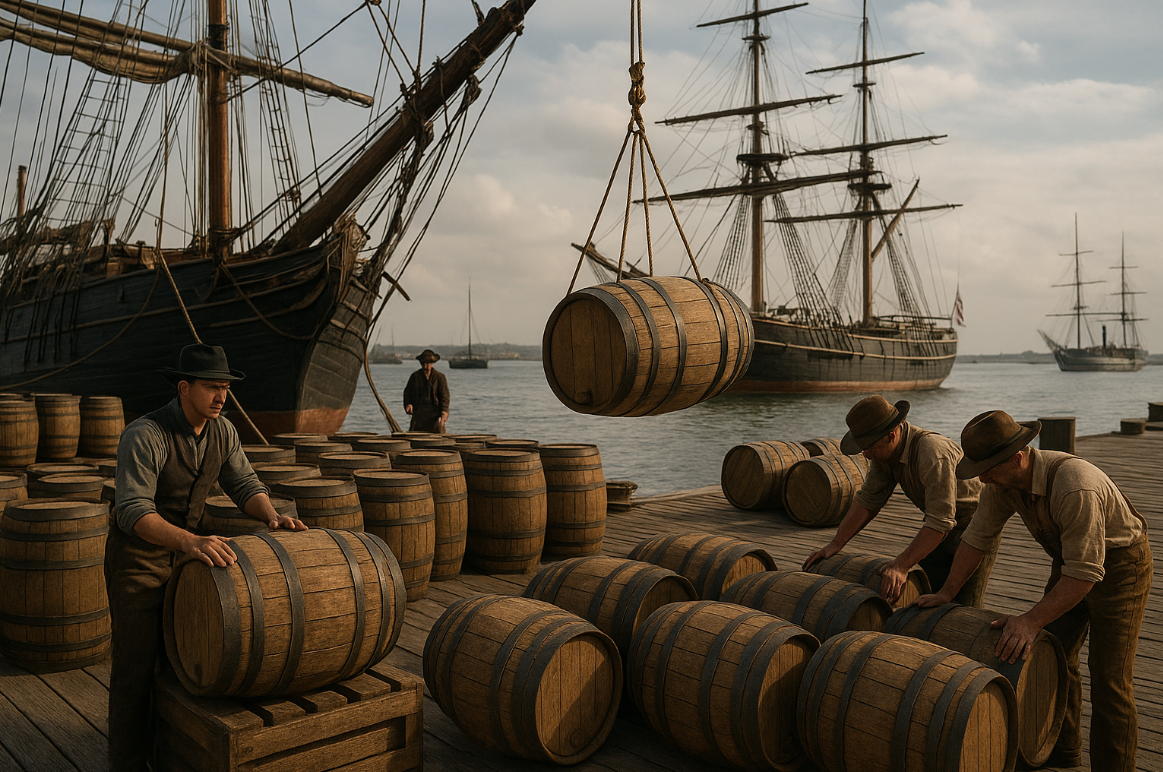
Whisky’s adventure from a local spirit to a globally celebrated product is more than just a story of barrels and aging. The tale of the first whisky exports highlights how a traditional product crossed oceans to become a symbol of quality, craftsmanship, and heritage. In this article, I dig into the early days of whisky exports, the challenges faced along the way, and the eye-catching methods through which whisky adjusted to appeal to international markets.
The Dawn of Global Whisky Trade
The story of whisky’s international adventure begins in small distilleries hidden in the rural landscapes of Scotland and Ireland. What started as local recipes and community favorites soon caught the attention of traders searching for unique products. As demand grew, producers began to understand the opportunities that existed beyond their own borders.
This new chapter was fueled by curiosity about foreign tastes and the determination of entrepreneurs willing to take a chance on a product that many had only heard about. Early exports were modest and laid the groundwork for what would eventually become one of the world’s most recognized and appreciated beverages.
Early Whisky Exports: Pioneering the Unknown
The first shipments were sent to markets eager to experience distinctive flavors. Whisky packed in glass bottles and stored in wooden barrels found its way as far as North America, parts of Europe, and even colonial territories. During this period, whisky represented not only a drink but an art form and tradition in a bottle.
The export process back then was labor intensive. With no mass production or modern logistics, producers coordinated with ship owners, navigated customs procedures, and transported their goods by sea in cargo holds that offered little protection from the elements.
Despite these difficulties, initial feedback was positive. Buyers admired the unique taste and the story behind every bottle. This response encouraged local distilleries to increase production and experiment with different aging methods and blends that could satisfy both local enthusiasts and foreign consumers.
Getting Started with Whisky Exports
Breaking into international markets required more than just a quality product. Early whisky producers had to get familiar with trading regulations, learn the art of branding, and adjust production methods to meet overseas standards. They had to consider several critical factors when establishing themselves abroad:
- Quality Control: Consistent flavor and quality were very important in building trust among new consumers.
- Branding and Storytelling: Every bottle carried a rich backstory of heritage, regional ingredients, and time-tested methods. Distilleries made a point of sharing these stories to build connections with buyers.
- Logistics and Shipping: With limited refrigeration and shipping technology, keeping whisky in prime condition during transport was a significant challenge.
- Adapting to Regulations: Different countries had diverse import rules. Producers needed flexibility and a readiness to adjust when legal requirements shifted.
Tackling the Challenges of Early Whisky Exports
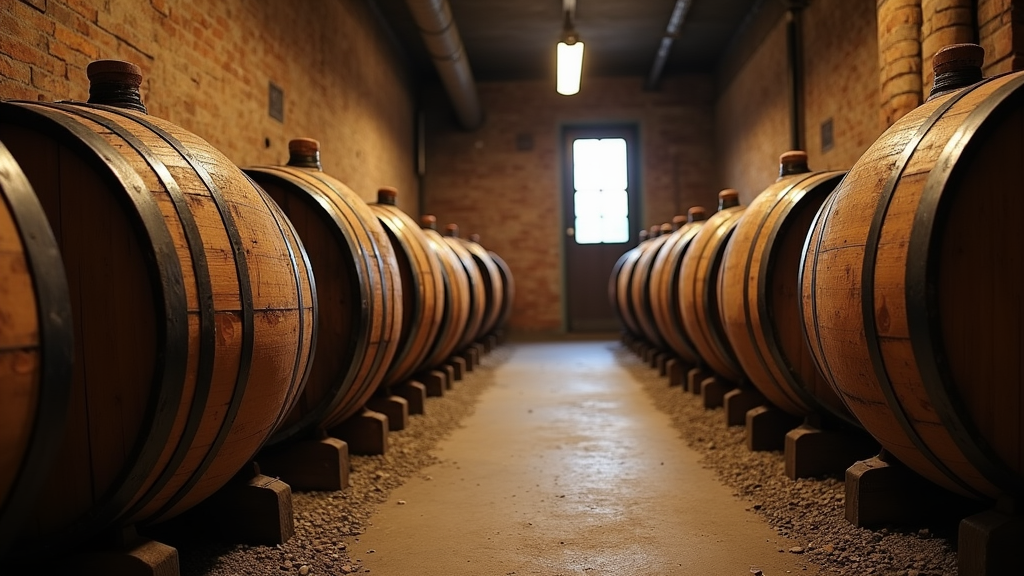
The allure of expanding internationally was accompanied by many obstacles. One of the biggest challenges was preserving whisky’s quality during lengthy voyages. The aging process, which defined whisky’s flavor, could be disrupted by unpredictable temperature and humidity levels. To confront this, early exporters experimented with innovative packaging methods such as insulated containers and specially treated barrels.
Tariffs and trade restrictions also posed serious issues. High import duties in many countries forced producers to look for creative ways to control costs while still delivering a product that was truly special. Negotiating these hurdles often involved direct collaboration with local officials and sometimes even adjusting recipes to appease regulatory requirements.
The absence of modern communication systems further complicated international trade. Coordinating with partners overseas often meant prolonged paperwork, personal travel, and months of back-and-forth negotiations to resolve issues quickly.
Quality Preservation
Preserving whisky’s delicate balance of flavor during long shipments was very important. Producers concentrated on finding the best packaging techniques and shipping routes to reduce exposure to harsh conditions.
Handling Trade Barriers
Meeting various legal and tariff requirements was another hurdle. Exporters often worked closely with local authorities to secure licenses and negotiate better tariff rates, which helped make the business model more sustainable despite the extra effort required.
Logistical Considerations
Without today’s technology, managing logistics was no small feat. Unpredictable shipping schedules and frequent delays forced exporters to plan well in advance, often keeping extra inventory on hand while trying to coordinate supply with market demand.
Global Impact: Whisky Adapting to New Markets
As whisky found a footing globally, producers began adjusting their offerings to suit local tastes and traditions. Different regions developed unique flavor preferences, prompting whisky brands to switch things up in their production lines.
For example, in areas where smoother, sweeter profiles were preferred, distillers experimented with shorter aging times and innovative cask finishes. Conversely, in regions that enjoyed bolder and richer flavors, longer aging processes and robust blending techniques became popular. These adjustments not only boosted exports but also enriched the overall whisky portfolio available worldwide.
This adaptability proved crucial. By tweaking traditional methods while staying true to their heritage, whisky producers managed to produce variations that appealed to a broader audience. The result was an exciting range of whisky offerings that combined classic craftsmanship with tastes tailored to local preferences.
Advanced Strategies for Whisky Export Success
As global markets matured, so did the strategies of distilleries. Producers began to blend traditional craftsmanship with modern business practices to stay competitive. One effective method was focusing on storytelling. Distilleries started to share detailed narratives about their origins, the ingredients they used, and the time-honored methods behind each batch.
This approach helped consumers around the world see whisky not just as a drink but as a piece of history. In addition, many distilleries invested in quality improvements and modernized their production facilities while striving to maintain the unique flavor profiles that made their product special.
Direct engagement with consumers also became common. Tasting events, festivals, and international trade shows provided valuable feedback and helped build a loyal community around the brand. This direct connection with whisky lovers further cemented the spirit’s status on the global stage.
Frequently Asked Questions
Below are some common queries related to the early days of whisky exports and its growth into a global phenomenon.
Question: What made whisky a good candidate for export in its early days?
Answer: Whisky’s unique flavor profile coupled with its deep cultural roots made it very attractive to international markets. Even though exporting was challenging, the product’s history and distinct taste set it apart.
Question: How did early exporters preserve whisky’s quality during transport?
Answer: Producers used innovative packaging, such as insulated containers and specially treated barrels, to keep whisky safe from harsh conditions during long voyages.
Question: In what ways did whisky adapt to global tastes?
Answer: Distilleries adjusted their aging processes and experimented with different cask finishes to suit local flavor preferences. This flexibility allowed whisky to maintain its traditional character while appealing to diverse markets.
Question: Why was storytelling important for whisky brands?
Answer: Sharing the rich heritage and craftsmanship behind each bottle helped build strong emotional connections with consumers, turning whisky into more than just a drink—it became a piece of history.
Wrapping Up
The story of the first whisky exports is a clear example of how tradition, innovation, and persistence can work together to build a global phenomenon. Early pioneers not only managed to export a local product but also helped shape the identity of whisky for generations to follow.
From overcoming shipping challenges to adopting modern production techniques and engaging with consumers face-to-face, the glow-up of whisky from a local drink to a global icon is truly remarkable. Today, whisky continues to be celebrated worldwide, connecting people from different cultures over a shared love for a well-crafted spirit. Cheers to a journey that has transformed whisky into an enduring symbol of excellence!
Thanks for reading The First Whisky Exports: Whisky Goes Global,
What was your first whisky? Let me know in the comments
All the best
Tony

My name is Tony and I’m the creator of The Whisky Shed, a place where good drams meet good stories. From tasting notes to deep dives into distillery history, I share honest, approachable whisky knowledge for anyone who loves a great pour. Whether you’re exploring your first bottle or expanding a growing collection, my goal is to make whisky simple, enjoyable, and worth raising a glass to. Slàinte 🥃