If you’re searching for the smooth side of Scotch whisky, Speyside delivers on just about every count. In the heart of the Highlands lies a whisky region known for silky textures, honeyed notes, and world-famous single malts. Welcome to Speyside. This quiet corner of Scotland is packed with distilleries, crafting whiskies that are elegant, balanced, and hugely popular across the globe. Whether you’re new to whisky or already an aficionado, there’s always something special to uncover in a glass of Speyside Scotch.
Where Is Speyside?
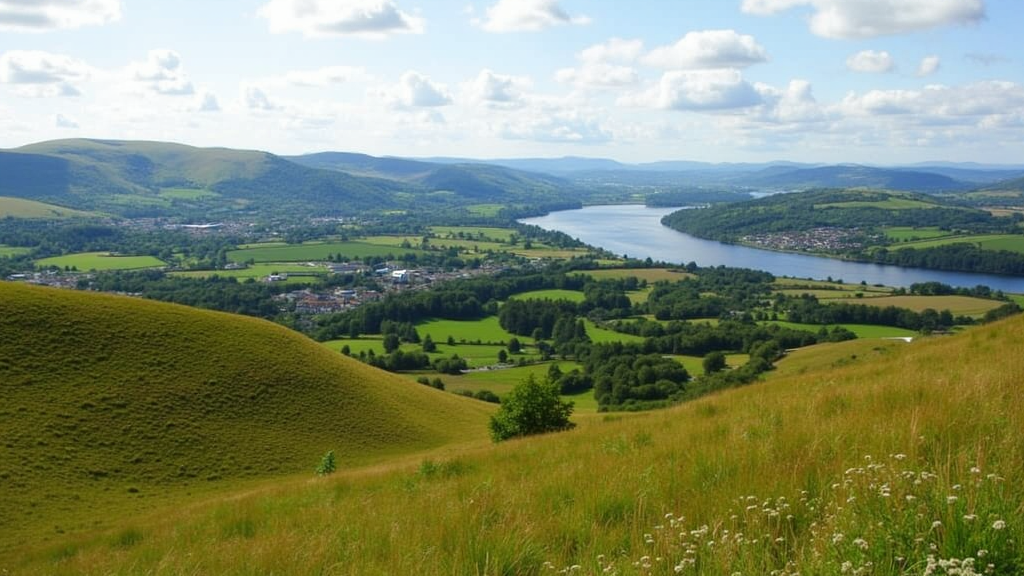
Speyside whisky isn’t just a style; it’s all about the place. This whisky region is tucked in northeast Scotland, officially within Moray and right along the River Spey. Technically, Speyside is part of the Highlands, but ask any whisky geek and you’ll hear it has a vibe all its own.
The River Spey plays a huge role here. Its pure water is used by many distilleries to make whisky, giving these drams a consistent freshness and character. When you check a Scotch whisky map, you’ll see that the Speyside whisky region has a tighter cluster of distilleries than anywhere else in Scotland. More than 50 of them pack this relatively small area. That’s a lot of whisky innovation in one gorgeous valley.
What Makes Speyside Whisky Unique?
Speyside whisky has a taste profile that fans describe as refined and easy to love. You’ll usually find fruity flavors like apple, pear, and subtle citrus, sweet honey notes, soft vanilla, and even floral or nutty touches. Most Speyside whiskies are smooth, with a light texture that makes them seriously sippable.
There’s a reason why Speyside tends to be a safe pick for newcomers: peat levels are pretty low. Unlike Islay whiskies, which are often smoky and briny, Speyside Scotch rarely features much smoke at all. Most brands focus on the essence of malt, fruit, and wood instead.
Sherry cask aging, especially with Oloroso sherry barrels, adds another flavor dimension. What you get is richer sweetness, dried fruits, and a plush finish that doesn’t overpower the palate. Lots of Speyside whiskies are matured this way, creating iconic flavor combinations that fans return to again and again.
Copper stills, slow fermentation, and that clean local water all play a part in building the region’s signature smoothness. Each distillery may tweak things a bit, but these basics give Speyside whisky its recognizable personality and unique charm.
Iconic Speyside Distilleries
Speyside’s reputation comes from some heavyweight names in the Scotch world. Here’s a peek at a few top choices worth knowing about:
- Glenfiddich: Known for pioneering single malt Scotch and high-tech innovations. Many folks get their first taste of single malt from Glenfiddich.
- Glenlivet: Famous for fresh, fruity whisky with a touch of floral lift. This distillery helped establish what modern Speyside whisky tastes like.
- Macallan: Synonymous with rich sherry cask aged whisky and high-end releases. Macallan stands out for its luxurious, deep amber drams.
- Aberlour: Loved for robust, sherried single malts that balance spice, fruit, and caramel.
- Balvenie: Quietly crafts one of the widest ranges of single malt styles in the region. Balvenie’s gentle honey and malt character has a big following.
- BenRiach: Offers classic fruity Speyside style, plus some bold, peated expressions for those wanting a twist.
- Craigellachie: Delivers a unique muscular, meaty whisky thanks to worm tub condensers. Very different from typical Speyside softness.
Each one of these distilleries has its own approach, but they all share a love for detail and a clear Speyside identity. The atmosphere around these storied sites is also eye-catching, providing beautiful surroundings as a backdrop for your tasting adventures.
Speyside Whisky Production Traditions
Walking into a Speyside distillery is like stepping into whisky history. Many are family owned or have generations of local workers keeping the craft alive. Traditional copper pot stills are used for distilling, and most places depend on slow, careful fermentation to build flavor layers before the whisky is even aged.
Techniques are time tested. For example, Balvenie still does its own floor malting (a rare sight today), while Glenfiddich has introduced new still shapes to tweak flavor. Many Speyside distilleries pride themselves on blending tradition with quiet improvement, always looking to make a whisky that’s instantly Speyside and a bit better every year.
These time honored techniques aren’t just about nostalgia; they’re foundational to the region’s identity. Visiting distilleries, you’ll find a strong community spirit and a commitment to passing skills down to the next generation.
Comparing Speyside with Other Scotch Regions
Scotland has several whisky regions, and each has a different personality. Here’s how Speyside stacks up:
- Islay: Full of sea spray, smoke, and big flavors. Speyside is much lighter and less peaty, so it’s easier on newcomers.
- Highlands: Generally more robust or spicy than Speyside, but there’s some crossover in the north.
- Lowlands: Known for light, grassy, delicate whisky, sometimes even lighter than Speyside but without the fruity depth.
- Campbeltown: Briny and oily, often described as quirky or old school compared to Speyside’s approachable elegance.
A lot of people who are just starting out with Scotch whisky begin with a Speyside malt. It’s gentle, friendly, and not too overwhelming. That’s one big reason Speyside brands have built such an international fanbase and why these whiskies continue to win new hearts worldwide.
Whisky Tourism in Speyside
Ready to check out the region yourself? The Speyside Whisky Trail is a real treat for fans. It winds through green valleys past the River Spey, leading to dozens of distilleries, many of which open their doors for tours and tastings. Some tours even include behind-the-scenes access, allowing visitors to see the full spice and artistry of whisky making.
Some top choices for visitors:
- Glenlivet Distillery
- Aberlour Distillery
- Macallan Experience Centre
- Glenfiddich Distillery
- BenRiach and Glen Grant for scenic beauty
The Spirit of Speyside Whisky Festival is a yearly celebration featuring tastings, distillery tours, special events, and even ceilidhs (traditional Scottish parties). If you can swing a trip in late April or early May, it’s absolutely worth checking out.
Getting there usually means a flight or train to either Aberdeen or Inverness, then a scenic drive into Speyside. The region has a range of cozy hotels and bed and breakfasts. Booking a guided whisky tour makes it easy to see multiple distilleries, so you can relax and focus on sampling those unique drams.
Top Speyside Whiskies to Try
There’s a massive range of Speyside whiskies out there, and picking just a few favorites isn’t easy. Here’s a list of bottles, some easy to find and some a little more under the radar, that show off what this region does best:
- Glenfiddich 12 Year Old: Fresh, with apples, pears, and gentle oak. A great starter dram.
- Glenlivet 18 Year Old: Layered tropical fruits, gentle spice, and soft vanilla. Sips elegantly, pairs nicely with cheese.
- The Macallan Sherry Oak 12 Year Old: Famous for rich dried fruit, orange peel, and smooth toffee. Goes really well with dark chocolate.
- Aberlour A’bunadh: Cask strength, big bold sherried flavors. Think dark berries, nuts, and warming spice.
- Balvenie DoubleWood 12 Year Old: Honey and dried fruit, with an easy to enjoy finish.
- Glen Grant 10 Year Old: Crisp, orchard fresh flavors with a hint of almond. Light and clean.
- Mortlach 16 Year Old: Fuller bodied, meaty and malty whisky with just enough sweetness. Fantastic with hearty meats or sharp cheeses.
- BenRiach 12 Year Old: Round, fruity, sometimes a gentle whiff of smoke for those ready to try something bolder.
These whiskies are all pretty accessible, with a range of prices. Many pair beautifully with creamy cheeses, smoked fish, or desserts based on caramel or chocolate, so you can match your dram to your snack for a next-level experience. Try mixing things up at your own tasting, pairing classic Speyside whiskies with pistachios or honey drizzle for a new twist.
Final Thoughts
Speyside whisky stands for balance, finesse, and that sweet spot between tradition and thinking outside the box. It’s a region where both newbie sippers and seasoned Scotch collectors can find drams that hit just right. Digging into the major brands is a good place to start, but don’t sleep on the smaller distilleries. Some lesser known Speyside whiskies are truly special, offering tastes that even experienced Scotch fans haven’t stumbled upon yet. My best advice? Get a few bottles, invite some friends, and let your own Speyside tasting adventure take off. The ride is always richer with company.
Frequently Asked Questions
What is Speyside whisky?
Speyside whisky is a type of Scotch made in the Speyside region of Scotland. It’s known for being smooth, fruity, and easy to enjoy, with styles ranging from light and citrusy to rich and sherried.
Is Speyside whisky peated?
Most Speyside whiskies are unpeated, meaning they don’t have the smoky flavors common in Islay Scotch. A few distilleries make slightly peated versions, but generally, Speyside is known for a clean, mellow taste.
What is the difference between Speyside and Highland whisky?
Speyside is technically part of the Highlands but has its own official status thanks to a unique character. Speyside whiskies are lighter, fruitier, and smoother than the often heavier, spicier Highland malts.
What is the smoothest Speyside whisky?
Smoothness can be a matter of taste, but Glenfiddich 12 Year Old and Glenlivet 12 or 18 Year Old are often picked as top options for a mellower sipper. Balvenie DoubleWood and Glen Grant 10 Year Old are also really easy to drink.
Where can I visit distilleries in Speyside?
You’ll find over 50 distilleries across the region, including big names like Glenfiddich, Glenlivet, Macallan, Aberlour, and smaller spots like Glen Grant and BenRiach. Many are open for tours, tastings, and hands-on whisky experiences.
Which Speyside whiskies are best for beginners?
Glenfiddich 12, Glenlivet 12, and Balvenie DoubleWood are all great introductions to the style. They’re approachable, affordable, and widely available in most shops around the world.
Next up we have a look at the Highlands and all they have to offer!
Sláinte
Tony

My name is Tony and I’m the creator of The Whisky Shed, a place where good drams meet good stories. From tasting notes to deep dives into distillery history, I share honest, approachable whisky knowledge for anyone who loves a great pour. Whether you’re exploring your first bottle or expanding a growing collection, my goal is to make whisky simple, enjoyable, and worth raising a glass to. Slàinte 🥃