
Lowlands whisky has always been a bit of an unsung hero in the world of Scotch. When folks talk about Scotch whisky regions, names like Islay and the Highlands usually steal the show with their bold flavors and huge reputations. But Lowland Scotch whisky brings something different, a fresh, gentle approach that’s super satisfying and easy to love, especially for those just getting started or anyone who’s after a softer, more subtle sip.
Within the diverse landscape of Scotch whisky regions, the Lowlands stand out because they focus on refinement and approachability. These whiskies are smooth, light, and surprisingly layered once you take the time to taste what’s actually in the glass. That subtlety is exactly what makes Lowlands whisky unique, yet it often gets overlooked. I’ll show you why it deserves more attention and how it might just become a new favorite for you too.
The Lowlands Region: A Quiet Powerhouse
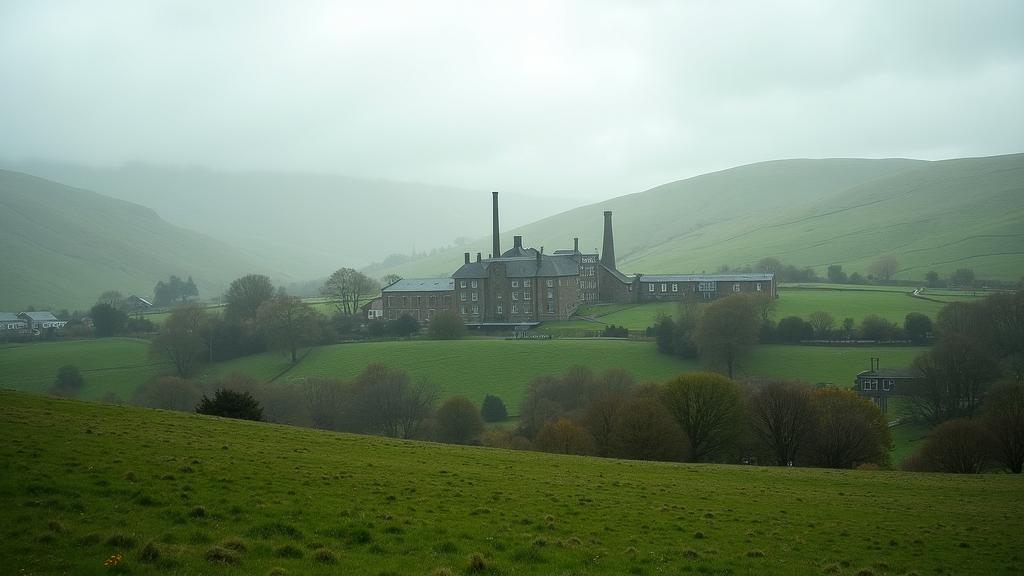
The Lowlands cover the southern part of Scotland, spreading out below an imaginary line drawn from Dundee in the east to Greenock in the west. The geography here is pretty mellow, consisting of gentle hills, lush grasses, and fertile valleys catching soft sea breezes. Compared to the wild terrain of the Highlands or the rugged coast of Islay, it’s almost pastoral in nature.
Climate and terroir really shape the soul of Lowlands whisky. The region’s cooler temperatures and higher humidity mean that whisky matures slowly and evenly, picking up delicate notes instead of heavy, peaty ones. You won’t find much brine or campfire smoke; instead, Lowland Scotch is recognized for being light, fresh, and sometimes downright floral. The grains grown here also contribute, with a lot of barley plus a tradition of using other grains in blended and grain whiskies.
The history of Lowlands whisky is bigger than most people think. It was once a Scotch stronghold, with dozens of distilleries sending spirit across Europe, especially in the 18th and 19th centuries. The Lowlands led a lot of early whisky-making innovation, especially around lighter styles that played nicely in blends. Even though many old distilleries have vanished, the Lowlands are making a comeback in the modern whisky world. New distilleries have sprung up, honoring tradition while experimenting with aging and new cask finishings, making the region lively and relevant for today’s drinkers.
Flavor Profile: The Signature Softness
Lowlands whisky has a reputation for being light and refined. This is the soft whisky style that feels gentle right from the first sip. Flavors often include grassy, floral, and citrusy notes. There’s usually a nice sweet maltiness as well, and the finish generally stays smooth and quick rather than lingering or spicy.
Compared to single malts from the Highlands (which are often bigger and richer), Speyside (fruity and honeyed), and especially Islay (bold, smoky, and salty), Lowlands whisky is more understated but still fully satisfying. If you’re new to Scotch or looking for whisky for beginners, Lowlands make a great entry point. There’s nothing harsh here—no overwhelming peat or smoke—just an easy drinking style that’s inviting and smooth.
Scotch tasting notes for these drams often highlight hay, fresh cut grass, green apple, and light floral tones like rose or honeysuckle. It’s a great region for anyone who wants a softer, more nuanced drink, or for those evenings when you want to enjoy light and floral whisky with friends who might not be diehard Scotch fans. Sometimes you’ll even find gentle hints of lemon zest or delicate vanilla. The profile is complex without being overbearing, which explains its broad appeal.
The underlying sweetness in many Lowlands whiskies truly complements the region’s signature floral tones. For anyone interested in something different, the light style and variety of flavor profiles make Lowland Scotch a pleasant surprise. Exploring a range of expressions from several distilleries can be a real eye-opener, showing just how versatile and dynamic Lowlands whisky can be, from gentle, almost springlike notes to crisp, malty accents.
Distillation Techniques and Ingredients
One thing that really makes the Lowlands unique is the way whisky is made here. The signature move is traditional triple distillation—a method most famously used by Auchentoshan whisky. Most Scotch is distilled twice, but triple distillation produces a spirit that’s lighter and cleaner, with even more subtle, delicate flavors. That’s why Auchentoshan’s bottles have such a refined, almost silky feel compared to other single malts.
When it comes to ingredients, the Lowlands are all about unpeated or very lightly peated malt. So if you want unpeated Scotch whisky because smoke isn’t your thing, this region is a must-try. The focus is on malted barley, but grain whisky is also a Lowlands specialty, playing a huge role in both blends and single grain bottlings. These grain whiskies are light, sweet, and sometimes even creamy, adding another dimension of soft complexity to the region’s spirits.
Many Lowland whiskies are the pure opposite of, say, a blast of Laphroaig peat or a punch of Glenfarclas sherrycask sweetness. Instead, they’re subtle but intriguing and well worth checking out to see just how differently Scotch can taste based on location and method. With newer distilleries in the region, some are experimenting with specialty barley or cask finishes, further stepping up the softness and the range of available flavors. Whether you prefer single malt or single grain, there’s a Lowlands whisky style for everyone’s taste.
Notable Lowlands Distilleries
If you’re looking to jump into the best Lowlands distilleries, several standouts are worth checking out. Here are names I always recommend to newcomers and connoisseurs alike:
- Auchentoshan: Known for being the only Scotch to triple distill every drop, Auchentoshan whisky is ultra-smooth and vibrant. Expect fresh citrus, creamy vanilla, and soft spice, especially in their American Oak and Three Wood expressions.
- Glenkinchie: Often called the “Edinburgh Malt,” Glenkinchie Scotch is a classic example of what makes Lowland Scotch whisky so likable. It’s grassy, malty, and a bit floral—very approachable and great for pairing with light foods.
- Bladnoch: A historic distillery with over 200 years of history, Bladnoch crafts single malts that balance honeyed sweetness with subtle herbal and floral notes. Their resurgence in recent years means more unique releases hitting the shelves.
- Annandale: One of the newer names making waves, Annandale distillery brings both unpeated and peated styles. Even their peated whisky manages to stay mellow and drinkable thanks to careful distilling.
- Historic Distilleries: If you spot Rosebank on a menu or auction list, it’s something special. Once closed and now reopening, Rosebank boasts a cult following for its elegant, soft style. Fans eagerly await its official relaunches, and some bottlings are highly sought-after among collectors.
Each selection offers a good snapshot of what makes Lowlands whisky unique. Trying a few expressions from these producers is an awesome way to build your own Scotch tasting lineup and get a true sense of the region’s range, from classic heritage distilleries to modern upstarts putting it out there with fresh takes on the Lowlands tradition.
Pairing and Drinking Recommendations
Soft whisky styles like those from the Lowlands shine when enjoyed neat or with just a splash of cool water. The gentle flavors open up nicely without getting lost. Whisky highballs are another smart entry—Lowlands whiskies work beautifully in long drinks with sparkling water and a twist of citrus, creating a refreshing sip that’s still interesting and layered.
Food pairings with Lowlands Scotch are a breeze to organize since the flavors don’t overpower most dishes. I recommend matching these whiskies with mild cheeses—think goat cheese or brie—alongside smoked salmon, sushi, or herby chicken. The malty sweet and floral notes also play well with salads and light spring vegetables. Even a fruit tart or citrus dessert can work surprisingly well, highlighting the spirit’s softer aspects.
For cocktails, Lowlands whisky is versatile. These light, soft spirits lift up whisky sours, penicillins (with ginger and honey), or even delicate oldfashioned cocktails. There’s no heavy peat to clash with mixers or garnishes, so you’ve got lots of room to be creative. Whether you’re just experimenting or already have a go-to recipe, a gentle Lowlands whisky will give classics a new, subtle twist.
Lowlands Whisky in the Modern Market
The global whisky trend is changing, with more people reaching for lighter, approachable styles just like those from the Lowlands. In the last few years, Lowland Scotch whisky has started gaining more press and enthusiasm as drinkers look for new experiences beyond bold, smoky classics.
Craft distilleries and creative approaches are bringing a whole new vibe to the Lowlands. Smaller producers are mixing in different cask types, unusual barley, and innovative methods, so there’s a wave of uniqueness with each batch. This experimentation is leading to more limited releases and lots of buzz each year among fans watching for what’s next.
Lowlands whisky appeals to both those just beginning their whisky adventure and seasoned fans seeking to appreciate the art of subtlety. Building your list of Lowlands whisky recommendations for 2025 means being ready for many surprises. Be sure to track down new releases, as there are plenty of floral Scotch whiskies and fresh expressions to try that can truly set your whisky collection apart from the typical smoky or sherried options.
Many bars and specialty retailers are now increasing their Lowlands Scotch offerings, making it easier to sample and compare. Tasting events, regional flights, or Lowlands-focused festivals are becoming more popular, helping shine a light on this storied but quieter region and introducing its charm to a broader audience worldwide.
The Gentle Charm of the Lowlands
Lowlands whisky brings something different to your glass. It isn’t always the loudest voice at the table, but its subtle character and easygoing nature are what make it memorable. For anyone looking to branch out from heavy peat or punchy sherry bombs, gentle Lowland Scotch is like a breath of fresh air. It’s the perfect opportunity to explore the range and depth of what Scotch whisky can be, discovering flavors you might not have expected.
Swapping a bottle of smoky Islay whisky for a Lowland single malt or grain whisky uncovers a whole new side to Scotland’s heritage. Give this region a try—you might just stumble upon your new favorite soft spirit along the way. The understated profile, variety, and approachability ensure that Lowlands whisky has something to offer for everyone, whether you’re at the start of your Scotch adventure or searching for your next-level cool dram. It’s well worth checking out, both for its history and its exciting future.
Until next time, Slàinte
Tony

My name is Tony and I’m the creator of The Whisky Shed, a place where good drams meet good stories. From tasting notes to deep dives into distillery history, I share honest, approachable whisky knowledge for anyone who loves a great pour. Whether you’re exploring your first bottle or expanding a growing collection, my goal is to make whisky simple, enjoyable, and worth raising a glass to. Slàinte 🥃