If you’ve ever gazed at an old, dusty whisky bottle tucked away in someone’s collection, maybe you’ve wondered, “Does whisky age in the bottle?” This question pops up in whisky circles all the time, and it’s one I’ve asked myself when tracking down unusual bottles. So, here’s the quick answer. Once whisky is bottled, the aging process basically pauses. But as with most things in the world of whisky, there are some extra layers to the story, especially around how flavor might change, how to store bottles, and which myths you can ignore.
How Whisky Ages in the Barrel
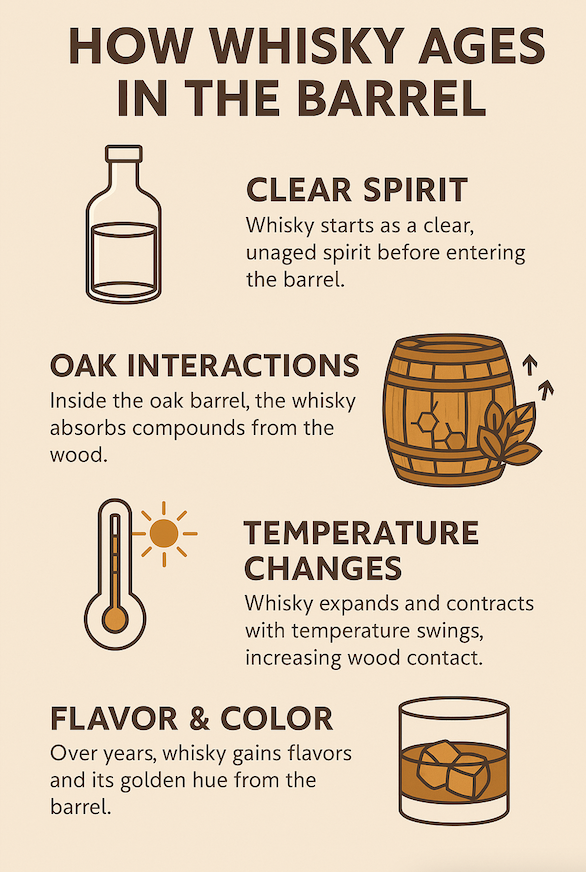
Whisky starts as a clear spirit, and it only gets its flavors and trademark golden color from years spent sitting in oak barrels. The barrel aging process is where the real magic happens; this is where whisky develops its character, smoothness, and all those delicious notes of vanilla, spice, caramel, or smoke depending on the cask type. During barrel aging, the whisky interacts with the wood, takes in compounds from the oak, and even reacts to slight temperature changes in the warehouse. Oxygen sneaks in through the wood, mellowing the whisky over time and building up complexity.
The length of time spent in the barrel makes a noticeable impact on the final taste. For instance, Scotch whisky legally needs a minimum of three years in the barrel, but many well-loved single malts run anywhere from 10 to even 30 years or more. American bourbons tend to age between four and 12 years, while some Irish whiskies fall in the 3 to 15-year range. No matter the style, the whisky aging process is barreldriven; the bottle plays a totally different role.
What Happens After Bottling?
Once whisky is bottled, all the maturation action stops almost completely. The main reason for this is that glass bottles are airtight and don’t let spirits interact with the environment or any new wood. Unlike the porous oak barrel, glass doesn’t “breathe.” This means an unopened bottle you buy today will taste pretty much the same in 20 or 50 years, assuming it’s stored properly.
The chemical reactions that give a barreled whisky those nuanced flavors just can’t happen in the bottle. The whisky still holds onto its vibrant flavors and aromas, but it doesn’t turn older or mellower just by sitting in your cupboard. So, if you’re hoping your unopened bottle gets better with each passing year, that’s not really how it works. Having said that, once you open a bottle, a few new things start to change, which is worth knowing if you love collecting or savoring whisky slowly.
Does an Open Bottle Change Over Time?
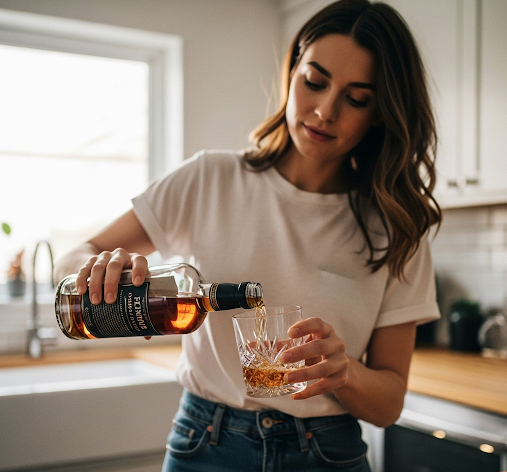
When you crack open a bottle, you introduce air into the mix, allowing some oxygen to interact with the spirit. This process is called oxidation, and though it’s totally different from barrel aging, it does have a subtle effect over time. Right after opening, oxidation can mellow out some strong flavors and may even help certain whiskies “open up” after a few weeks. But leave a halfempty bottle on the shelf for too long, and you’ll eventually notice flavors fading or even a flat, dull taste, especially if there’s a lot of air in the bottle.
In most cases, an opened bottle of whisky stays tasting great for about six months to two years, especially if you keep it sealed tightly and don’t expose it to heat or sunlight. If there’s less whisky in the bottle, the process speeds up a little, so smaller amounts lose freshness faster. Whisky doesn’t spoil like milk or wine, but the flavor quality definitely drifts the longer the bottle sits open. That’s why I usually try to polish off opened bottles within a year or so if I want them at their best.
Proper Whisky Storage: Keep Your Bottle Amazing
Just because whisky doesn’t age in the bottle doesn’t mean it’s indestructible. Keeping your whisky tasting as the distiller intended comes down to some easy storage tips. I always suggest storing bottles upright, as lying bottles on their side can let the spirit interact with the cork, causing it to soften or crumble. Keeping whisky away from direct sunlight is another big one, as light can degrade color and flavors over time. Heat and temperature swings can also mess with the whisky, so a cool, stable place, like a cupboard or even a purposebuilt drinks cabinet, works well.
And don’t forget to seal opened bottles tightly so you don’t lose the good stuff to evaporation or unwanted air. If you want to get fancy, transferring leftover whisky into smaller glass bottles limits oxygen exposure, which helps keep flavors fresher if you’re planning to hold onto something rare for a while.
Proper storage not only preserves your whisky’s original taste but also helps maintain its value if you’re collecting. Some experts even suggest using parafilm or wax to further tighten the seal on rare or prized bottles, making sure nothing leaks and no extra air gets in. Even storing bottles in their original boxes can protect labels and guard against light, which is especially important for those rare finds.
Common Myths About Bottle Aging Debunked
- Myth: Older whisky in the bottle always tastes better.
The flavor you get is basically the flavor the distillery intended when the bottle was sealed. Age statements only count barrel time, not years gathering dust on a shelf. - Myth: Old, unopened bottles are always super valuable.
Some are, but it’s more about rarity, demand, and brand reputation than age alone. Loads of old bottles aren’t collectible or desirable unless there’s something special about them. - Myth: Aged unopened bottles are smoother because of years sitting around.
Unopened whisky stays about the same decade after decade; flavor doesn’t really “smooth out” any further in the bottle.
Collectible Bottles: Value Is About More Than Taste
In the world of whisky collecting, some bottles fetch staggering prices, often more thanks to their limited runs, missing labels, or the legend behind a closed-down distillery. But these old bottles haven’t changed, chemically speaking, since the day they left the bottling line. Value comes from rarity, branding, packaging, or quirky backstories, not ongoing aging. The condition of the bottle (including fill level and label quality) really impacts its worth to collectors, but that doesn’t mean the whisky tastes “older” just because the bottle is from 1959.
If you get your hands on a collectible bottle, storing it properly preserves both its taste and its resale value. Serious collectors watch for signs of evaporation, leaking corks, or faded labels, none of which are good for the bottle’s future on the market. There’s even a growing market for rare bottle auctions, where enthusiasts and investors look for pristine packaging and unique stories more than just the age stamped on the label.
FAQ: Whisky Aging and Bottle Storage
1. Does whisky continue to age after it’s bottled?
No, once whisky is bottled, the aging process stops. Unlike oak barrels, glass bottles are airtight and do not allow any chemical changes that would alter the whisky’s character. What you taste decades later will be nearly identical to the day it was sealed—assuming it’s stored properly.
2. How long does an opened bottle of whisky last?
An opened bottle of whisky can stay in great condition for 6 months to 2 years, depending on how much air is inside and how it’s stored. To preserve flavor, keep the bottle tightly sealed and away from light, heat, and drastic temperature changes.
3. Can whisky go bad or spoil over time?
Unopened whisky doesn’t spoil, but opened bottles can lose flavor and aroma due to oxidation. While it won’t become unsafe to drink, the taste may fade or become flat after extended exposure to air.
4. What’s the best way to store whisky bottles?
Store whisky upright in a cool, dark place away from sunlight and heat sources. Keep opened bottles tightly sealed, and consider transferring the whisky to smaller containers if there’s a lot of empty space in the bottle to slow oxidation.
5. Is older whisky always better or more valuable?
Not necessarily. Age alone doesn’t guarantee better taste or higher value. Collectibility depends more on rarity, brand reputation, and condition. Some older bottles are prized for their history, not because they’ve improved in flavor.
Key Takeaways
- Whisky aging stops in the bottle; flavor and quality remain basically unchanged for decades if stored well.
- Oxidation will nudge the taste of open bottles over time, so enjoy them within a couple of years for top flavor.
- Proper storage makes a big difference, especially if you love sipping slowly or dream of selling a special bottle one day.
- Most myths about whisky getting smoother, older, or infinitely better in the bottle aren’t true. The cask did all the real work before bottling.
It’s always fun to compare tasting notes from different eras or see if a decades old sealed bottle stands up next to new releases. If you’ve got an old bottle stashed away, maybe now’s a good time to pour a dram and share your thoughts with fellow whisky lovers. Or let me know how it compares to something fresh off the shelf! Exploring your collection is a great way to appreciate whisky’s staying power—one pour at a time.
Let me know your favourite whisky in the comments below
All the best
Tony

My name is Tony and I’m the creator of The Whisky Shed, a place where good drams meet good stories. From tasting notes to deep dives into distillery history, I share honest, approachable whisky knowledge for anyone who loves a great pour. Whether you’re exploring your first bottle or expanding a growing collection, my goal is to make whisky simple, enjoyable, and worth raising a glass to. Slàinte 🥃