

Whisky investment has moved from being a niche collector’s pastime to something that’s discussed at dinner parties and even considered as an alternative to stocks or real estate. If you’re wondering whether whisky deserves a place in your investment portfolio, this guide will spell out what makes whisky a popular alternative investment. Here are the things you’ll want to know before getting into the whisky game.

What Makes Whisky an Investment Worth Considering?
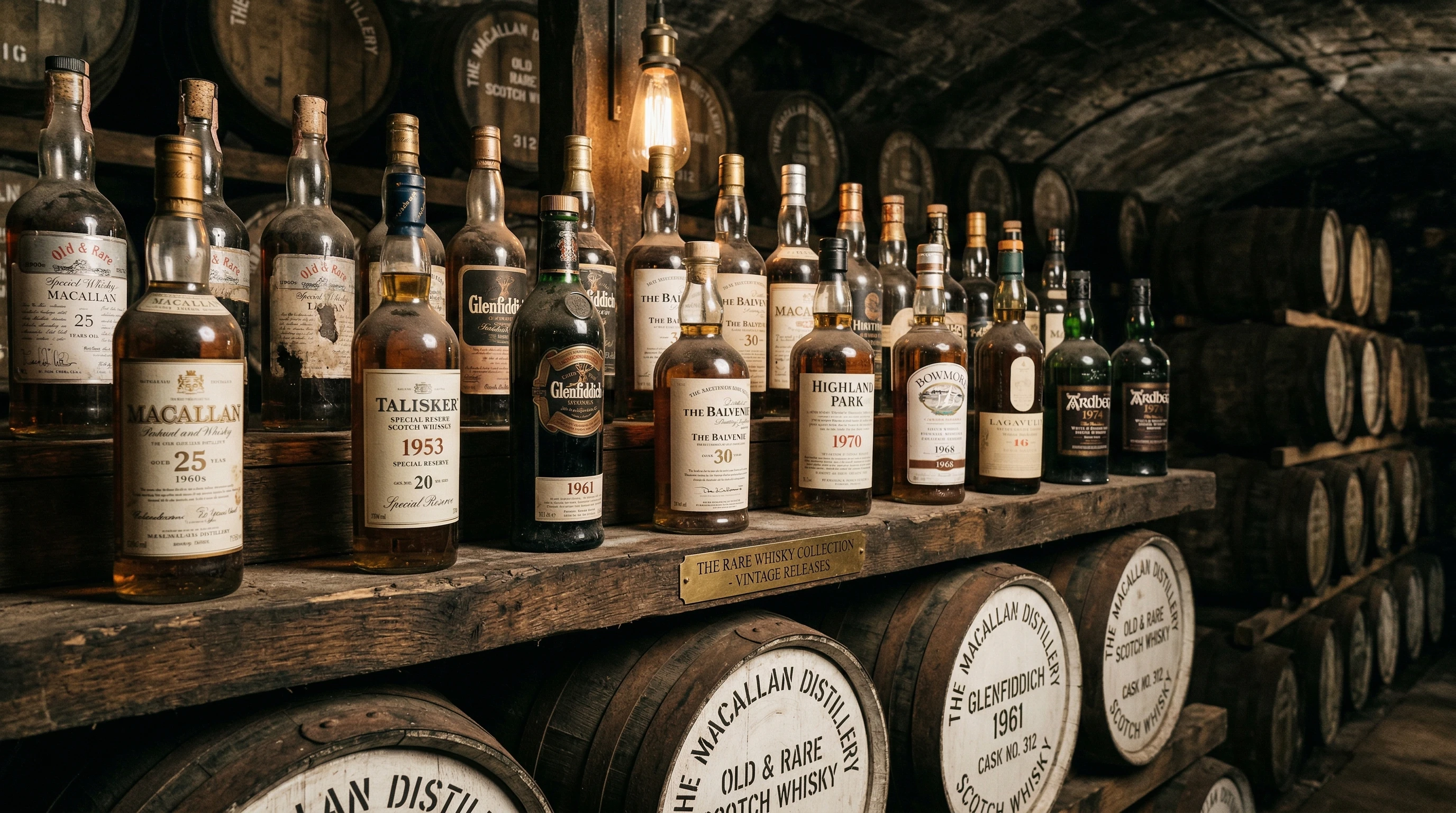
Whisky’s reputation has always been about sipping and savouring, but recently it’s landed on the investment radar for good reason. Rare bottles and casks fetch prices at auctions that leave even seasoned collectors surprised. Industry trackers such as the Knight Frank Luxury Investment Index show that rare whisky bottles have sometimes outperformed traditional assets such as gold in terms of growth.
This isn’t just hype. There’s real supply and demand driving these prices. Certain distilleries produce only a small number of bottles of specific whiskies, and once they’re sold or consumed, they’re gone. That kind of scarcity pushes collectors and investors to pay higher prices, hoping the rarity will make values rise as bottles disappear from the market.
My own interest in whisky investment began after seeing friends trade limited edition bottles for some impressive profits. There’s a tangible appeal to owning a rare, beautifully bottled spirit. It’s a bit like owning art that you can actually enjoy—if you ever decide to open it.
Understanding the Types of Whisky Investment
Not all whisky investments are created equal. Some people focus on bottles, while others purchase entire casks, and a few invest through funds. Here’s a look at the main options for investing in whisky:
- Bottle Investment: Collecting limited edition or rare bottles and storing them away for years can pay off, especially if demand surges.
- Cask Investment: Buying a whole cask from a distillery is a different route. The spirit matures over time, and you can later bottle its contents or sell the cask. This approach requires more patience and typically more upfront money.
- Whisky Funds and Shares: Some companies pool investors’ money to buy rare bottles or casks, offering a more hands-off way to invest.
Each style comes with its unique risks and benefits. Which one fits depends on your time horizon and how actively involved you want to be.
How Does Whisky Gain Value?
Whisky doesn’t magically appreciate just by sitting on a shelf. Several elements influence value growth:
- Rarity: Limited releases, closed distilleries, and older age statements add exclusivity to a bottle or cask.
- Brand Reputation: Distilleries like Macallan, Ardbeg, and Yamazaki have dedicated fans willing to shell out for their rarest finds.
- Condition and Packaging: Even fill level—how much whisky remains in the bottle—affects value. Pristine labels and original packaging can give prices a boost.
- Provenance and Authenticity: Good records about the whisky’s history and source add legitimacy and value.
- Market Trends: Demand from new whisky fans, especially in Asia, plus evolving preferences for single casks, can cause prices to spike unexpectedly.
Some rare bottles have risen in value by hundreds of percent over ten years, but such gains aren’t the norm. Standard bottles from popular brands usually don’t see those returns.
Starting Out: Key Steps in Whisky Investment
If you’re curious about putting money into whisky, these steps will smooth the way:
- Learn the Basics: Understanding the types of whisky, how distilleries operate, and what collectors are drawn to gives you an edge. Resources like Whisky Investment UK and auction sites such as The Whisky Shop or Whisky Auctioneer are helpful for keeping up.
- Decide on Your Strategy: Are you gunning for bottles, casks, or funds? Think about your budget and desired level of involvement.
- Set a Budget: You can get started with a few hundred pounds for bottles or step into the tens of thousands for rare casks.
- Select Sourcing Methods: Trusted auctions, reputable retailers, or even direct buys from distilleries are good sources. Buying from reliable names is crucial to avoid counterfeits.
- Storage: Safe storage is key. For bottles, keep them upright in a cool, dark spot to preserve their value.
Getting involved with whisky communities, whether online or in person, adds even more. Communicating with experienced collectors brings invaluable tips and insights that can change your whole approach.
Factors to Weigh Before Buying Whisky as an Investment
Investing in whisky is quite different from traditional assets, so it’s essential to think through certain considerations:
- Market Liquidity: Unlike stocks, selling bottles or casks isn’t always a fast process. Auctions have scheduled dates, and buyer interest can vary.
- Fake Bottles: Counterfeit bottles are a risk at the high end. Buying through reputable auction houses or direct from distilleries reduces your risk.
- Long-Term Commitment: Whisky investing almost always requires patience. Bottles and especially casks can take years or even decades to reach peak value.
- Storage and Insurance: Bottles must be kept somewhere safe and stable. Casks usually stay at the distillery, but make sure you know about insurance or exactly what your ownership includes.
- Tax Implications: Rules vary by country—sometimes profits from whisky sales are tax-free, other times they’re taxable gains. Always ask about local regulations to avoid surprises down the line.
Market Liquidity
Selling a rare bottle may not be as simple as cashing out your stocks. Actual liquidity depends on the timing, auction fees, and how many active buyers are around. Some collectors hold on to prized bottles for much longer than planned while waiting for a perfect storm of demand and price hikes.
Spotting Fake Bottles
High-priced bottles attract counterfeiters, making certificates of authenticity, provenance records, and even expert appraisals important. Rare Whisky 101 and other indexes can help by tracking auction prices and spotlighting questionable sales.
Age and Maturation in Whisky Cask Investment
Investing in casks is all about patience. As whisky matures in the cask, its flavor profile evolves, making older casks more desirable, but often tying up capital for many years. Some investors buy casks nearing bottling maturity to reduce the waiting time but still hope for bigger gains.
Costs Beyond the Bottle
There are extra costs too, not just the purchase price of bottles or casks. Rare bottles might need separate insurance due to their value. Casks come with annual warehouse fees, insurance, and extra charges for bottling once you want to remove the spirit from the cask. Factoring these in is vital when sizing up potential returns.
Advanced Tips and Strategies for Whisky Investors
Once you’ve got the basics sorted and maybe a few worthy bottles in your collection, consider these next-level tactics:
Mix Up Your Picks: While big-name brands like Macallan often do well, emerging or lesser-known distilleries sometimes end up at the centre of popular trends. Keeping a variety can steady your returns and lead to exciting surprises. Japanese whiskies, for instance, exploded in value after the market started to notice their uniqueness.
Monitor Release Calendars: Many distilleries announce annual special releases. Getting one at the retail price often means a shot at much higher returns later, especially as collectors rush to grab limited editions.
Track Market Data: Tools from websites like WhiskyStats.net, Whisky Auctioneer, and Rare Whisky 101 help you follow price movements, auction histories, and trends. Knowing what’s hot (and what’s cooling down) is a big advantage.
Look for Independent Bottlers: Independent bottlers regularly release single cask editions or unique whiskies that aren’t from the standard big labels. These are often more affordable and can sometimes deliver unexpected value as they catch the collector’s attention.
These strategies add a layer of enjoyment to whisky investment and can make your portfolio more resilient. Whisky enthusiasts often say that half the fun comes from chasing down rare bottles and learning the stories behind them.
Popular Uses and Real-Life Examples
People jump into whisky investment for all kinds of reasons. Some want to outpace inflation; others see it as a rewarding hobby that could pay off. Here are some common uses I’ve seen:
- Collector’s Hobby: Many start out as hobbyists, picking up special bottles while traveling or at auctions. Eventually, they realize their stash has grown into a valuable collection.
- Gifting: Unique bottles and one-of-a-kind casks make for memorable gifts, and their value sometimes grows while they’re waiting for a special occasion.
- Portfolio Variety: Savvy investors use whisky to balance their traditional portfolios of stocks and bonds, especially betting on luxury goods holding up during economic ups and downs.
- Networking: Whisky clubs, tastings, auctions, and events create opportunities for networking, fun, and sometimes profitable connections among enthusiasts who share an appreciation for the craft.
Frequently Asked Questions About Whisky Investment
I’m often asked some interesting questions about putting money into whisky, so here are a few that may clear things up for anyone starting out:
Question: Is whisky investment only for people with deep pockets?
Answer: Not at all. Although some bottles cost a lot, you can jump in at any price point by focusing on affordable, limited releases and scaling up as you learn the ropes.
Question: How do I choose bottles worth investing in?
Answer: Look for limited releases, respected brands, and higher age statements. Use trusted auction sites to check recent sales and expert reviews to guide your choices.
Question: Can I drink my investment?
Answer: Absolutely. If a bottle doesn’t appreciate in value, or you hit a milestone worth celebrating, you can always enjoy your spirit. Just keep in mind—once it’s enjoyed, it’s no longer an investment asset.
Question: How risky is whisky investment?
Answer: As with any alternative investment, prices can drop as well as rise. Doing your research, staying patient, and buying from reputable sources helps reduce but not eliminate risk.
Wrapping Up: Whisky Investment Value
Whisky investment combines passion with some smart financial thinking. Value growth is tied to rarity, brand attention, and collector buzz, but it isn’t always a quick win. Patience and the willingness to learn are essential here.
For those thinking about getting into this market, starting small and reading up on distilleries pays off. Join a few communities, trade stories, and pick up tips to help you make the best calls—whisky just might become a bright spot in your portfolio and connect you to a great community of fellow enthusiasts.
Whatever you do make sure you don’t put yourself in financial trouble and only invest if you can afford it.
Sláinte
Tony

My name is Tony and I’m the creator of The Whisky Shed, a place where good drams meet good stories. From tasting notes to deep dives into distillery history, I share honest, approachable whisky knowledge for anyone who loves a great pour. Whether you’re exploring your first bottle or expanding a growing collection, my goal is to make whisky simple, enjoyable, and worth raising a glass to. Slàinte 🥃