
Long before whisky became a celebrated social drink, it was known as Aqua Vitae—the “water of life”—and was prized for its medicinal properties. Born from ancient distillation practices rooted in alchemy and perfected in medieval monasteries, whisky was used to treat ailments, ease pain during surgery, and even ward off plagues. The Gaelic name uisge beatha reflects its cultural and spiritual role in early medicine, where it was seen not only as a cure but as a symbol of vitality. This blog explores whisky’s transformation from a healing elixir to a cultural icon, tracing its enduring legacy from monastery labs to modern-day bars.
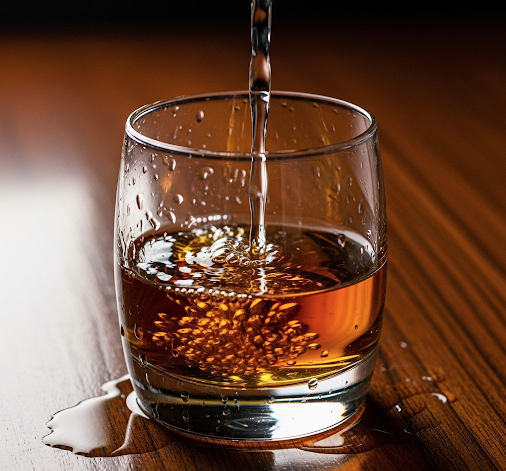
Water Of Life
Ever wondered where the name ‘Aqua Vitae’ comes from? It literally means ‘water of life’ in Latin. This wasn’t just a fancy name given on a whim. Back in the day, this was the go-to term for spirits and distilled alcohols, including whisky. The whole idea was these concoctions held the key to health and vitality, quite literally life in a bottle.
Picture this: centuries ago, folks were exploring the art of distillation. They started with the intention to create medicines and tonics, and whisky was born from this experimentation. At that time, it wasn’t just booze; it was seen as a miracle potion. Its origins traced back to a need for preservation and medicinal benefits rather than just indulgence.
Have you ever thought about where whisky fits into all this? The term ‘whisky’ itself has a fascinating original use. It’s derived from the Gaelic ‘uisge beatha’. Simply put, it’s the Celtic touch to ‘Aqua Vitae’. The naming illustrates its deep roots in healing and life-giving properties, long before it became a staple in taverns and bars around the world.
What made Aqua Vitae such a beacon of hope, though? While herbal remedies and potions were common, the distillation process elevated the perceived medicinal properties of these concoctions. This newfound elixir was believed to boost both physical and spiritual wellbeing—kind of like how today, people might turn to superfoods or trendy wellness drinks.
Distillation and Perception: The Ancient Science Behind Aqua Vitae
The art of distillation wasn’t always just about crafting spirits to enjoy over dinner – it was steeped in mystery and scientific curiosity. It began with alchemy, a rather mystical science, as alchemists sought to unlock the secrets of life itself. This enigmatic practice laid the groundwork for what would soon become a staple in early medicine.
Monasteries in medieval times played a pivotal role in preserving and advancing the knowledge of distillation. Picture the scene: monks spending their days in dimly lit rooms filled with bubbling flasks and mysterious herbs. Their tireless dedication to science and healing drove the perfection of distilling techniques, turning basic alchemy into a losing battle against illnesses.
Now, why shift from herbal concoctions to distilled spirits back then? It wasn’t just about crafting something potent. Distillation was like hitting the jackpot – unlocking concentrated properties that folks believed to be more powerful. It transformed everyday plants into potent elixirs, capturing all those essential healing properties in just a few drops.
Think about it – whisky was more than a beverage; it was considered a marvel of science. In an age where scientific discoveries were few and far between, whisky stood out as something akin to a miracle. Capturing the life essence of plants in liquid form signified not just innovation but a step forward in the age-old pursuit of wellness and vitality.
Whisky’s Medicinal Uses in Early Times
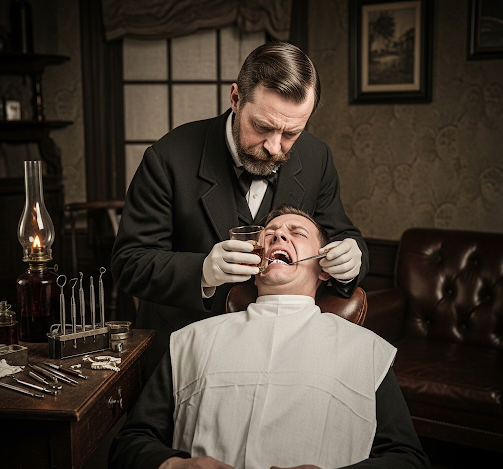
Back in those early days, whisky wasn’t just for toasting at gatherings. It was like the Swiss army knife of medicine – versatile and handy for all sorts of ailments. Got a toothache? A bit of whisky could ease the pain. Facing a nasty infection? Whisky might be recommended to help fight it off, if only because people believed in its curative powers.
Surgery wasn’t quite the precision science it is today, and whisky played a significant role there too. Surgeons often used it as a sort of rudimentary anesthetic to help patients endure the agony of surgical knives without today’s modern comforts. Its strong, numbing properties meant it was a trusted companion in the operating room, long before antibiotics came onto the scene.
Even plagues and epidemics had people turning to whisky. It was a fixture in the pantry, not just because it tasted good, but because it was considered a preventative or at least something to mitigate symptoms when the plagues came knocking. In those trying times, a dram of whisky was like the aspirin of the medieval world.
When surgeons and apothecaries were the primary health experts around, whisky was part of their repertoire. These medical pioneers didn’t just dish out herbs and holy relics—they prescribed whisky, trusting in its mystical healing principles. They believed in its potential to heal and revitalize, even where other traditional methods might have failed.
Cultural Contributions of Whisky to Early Medicine
In the colorful tapestry of medieval medicine, whisky held an honored spot. It wasn’t just about what it could cure physically; it had a cultural place too. Society saw it as part of holistic health, connecting body and spirit. In those times, health wasn’t merely a medical concern but a blend of physical, spiritual, and cultural harmony. Whisky played its unique part in stitching together this wellness tapestry.
Traveled healers carried whisky along with them, spreading its lore across regions. These traveling doctors and herbalists didn’t just bring cures; they brought whisky’s mystique and magic to those who perhaps hadn’t yet discovered its worth. People learned to appreciate it as both a healing tool and a delightful comfort, valuing the rich legacy it carried with it.
Across various geographies, the style and application of whisky varied, developing into a local craft and tradition. Each area had its spin on brewing the secret concoction, and this regional diversity added layers to its medicinal legend. As much as it was about healing, it was also about pride and craft, a blend of science and local tradition.
Beliefs and rituals often surrounded its consumption. Some communities treated whisky as almost sacred, infusing its use with religious or ceremonial significance. Others saw its consumption as a community act, a bonding experience beyond the clinical, weaving together community health with social connection.
The Legacy of Whisky in Modern Medicine and Society
The journey of whisky from a medicinal elixir to a household indulgence says a lot about its enduring charm. As time went on, its primary role shifted from strictly medicinal to more of a recreational status. This wasn’t just about losing its past but about gaining new cultural ground as a favored social beverage.
Today, whisky stands as a cultural symbol reflecting societal values and historical roots. From casual tasting gatherings to serious connoisseur clubs, it holds a certain prestige that echoes its storied past. It melds into both everyday life and celebratory moments, proving its versatility and timeless appeal.
The whisky industry today is a powerhouse, with its roots deeply embedded in those early experiments blending science, culture, and health remedies. It’s fascinating to see how those origins in ancient distillation reflect in the booming industry, where technique and taste meet innovation and time.
Nowadays, enthusiasts and historians find insights in those old medicinal uses, drawing connections between the whisky of past ages and present-day practices. Between fancy food pairings and single-malt ratings, there’s still a nod to its ‘water of life’ moniker. Its journey from the shelves of apothecaries to bars worldwide keeps this storied spirit alive and kicking.
Whisky & Medicine: Aqua Vitae FAQ
1. Why was whisky originally called Aqua Vitae?
The term Aqua Vitae means “water of life” in Latin. In medieval times, distilled spirits like whisky were believed to possess life-giving and healing properties, making the name a literal reflection of its purpose as a medicinal elixir.
2. Was whisky really used as medicine in the past?
Yes! Whisky was considered a powerful remedy. It was used to relieve toothaches, treat infections, and even served as a primitive anesthetic during surgeries. During plagues, it was also used as a preventative tonic, trusted to boost both physical and spiritual health.
3. How did whisky evolve from a healing potion to a social drink?
Initially developed through alchemy and perfected in monasteries for medicinal use, whisky gradually transitioned into a cultural and social staple. Over time, its role shifted from health cure to celebratory drink, though its roots in wellness are still remembered.
4. What role did monks and alchemists play in whisky’s history?
Monks and alchemists were key to whisky’s early development. Alchemists experimented with distillation as part of their quest to unlock life’s secrets, while monks refined the process in monasteries, helping turn it into a practical and powerful healing tool.
5. Did different regions use whisky in different ways?
Absolutely. As whisky spread, each region developed its own distillation methods and medicinal traditions. It became part of local healing practices, sometimes even holding ceremonial or spiritual significance, blending science, culture, and community.
Thanks for taking the time to read this article, check out the rest of them here.
Until next time, chin chin
Tony

My name is Tony and I’m the creator of The Whisky Shed, a place where good drams meet good stories. From tasting notes to deep dives into distillery history, I share honest, approachable whisky knowledge for anyone who loves a great pour. Whether you’re exploring your first bottle or expanding a growing collection, my goal is to make whisky simple, enjoyable, and worth raising a glass to. Slàinte 🥃